Renewable Energy

Renewables: The future of energy

Moving from reliance on conventional energy sources to embracing renewable energy marks a pivotal shift towards a more sustainable future. Renewable energies, such as wind, solar, and hydroelectric power, offer abundant and continuously replenished sources of energy, fostering a harmonious relationship between nature and technological advancement.

Renewable energy, often referred to as green energy, represents the current and future trajectory of global electricity production. Unlike conventional sources, renewable energy harnesses natural elements like the sun, wind, and water to generate electricity. This not only reduces carbon dioxide emissions but also ensures a sustainable energy supply for generations to come.

The transition to renewables is evident globally, with renewable energy accounting for a significant portion of new energy capacity additions. This trend underscores the growing recognition of renewables as the most advantageous energy source, not only for environmental preservation but also for economic development. By adopting an integrated approach that encompasses the entire value chain and aligns with sustainability principles, renewables create shared value, promote a circular economy, and contribute to the achievement of the UN’s Sustainable Development Goals.

Key strengths of renewable energy include its environmental friendliness, inexhaustible nature, versatility, continuous technological advancements, affordability, and job creation potential. These factors make renewable energy a compelling choice for both industrial and household consumers worldwide.

Wind energy, for instance, has a rich historical legacy dating back to ancient times when wind power was utilized for various purposes. Modern wind turbines harness the kinetic energy of the wind to generate electricity, contributing significantly to global energy production. Similarly, solar energy, derived from harnessing solar radiation, is experiencing rapid growth due to technological advancements and increasing efficiency of solar power plants.

Hydroelectric power, another renewable energy stalwart, capitalizes on the gravitational force of water to generate electricity. With advancements in technology, hydroelectric power plants have become highly efficient and boast a low carbon footprint, making them a cornerstone of renewable energy production worldwide.

In essence, renewable energy represents a sustainable and promising solution to the world’s energy needs. By harnessing the power of nature responsibly, we can pave the way for a greener, better future for generations to come.

Nature and innovation for sustainable development

Producing renewable energy is good for the environment, the economy and for people.

Inexhaustible

Renewable resources are always available in nature.

Respecting the environment

Producing energy from renewable resources drastically reduces CO2 emissions.

Versatile

Renewable energy can be produced with various technologies, everywhere in the world.

Constantly evolving

Technological innovation makes renewable energy production increasingly more efficient.

Affordable

Large scale renewable energy production is increasingly affordable.

Creating new jobs

The sector has and will continue to create jobs.

Use of renewable energy

Developing countries’ energy mix and electrification

The use of renewable energy is two-pronged: producing energy from green sources to tip the overall energy mix scales in favor of renewable energy, and helping people worldwide to have constant safe access to electricity.

Technological innovation helps on both fronts. The increasingly widespread use of renewables is due to continuous improvements in production techniques. Power plants are becoming more and more efficient, making this type of electricity affordable and competitive on the market, so sustainable energy is advantageous for both industrial and household users.

In developing countries, renewable energy is often the only way to electrify entire rural areas. Innovative solutions provide the most disadvantaged communities with stable safe access to the electric grid, and they’ll stand the test of time. Green energy closes the gap in energy access and guarantees the same development opportunities to the entire world.

Wind Energy 

Be it on land or at sea, from the very dawn of time, mankind has harnessed wind power to perform actions that proved impossible by physical strength alone. On land, wind power was channeled by windmills to grind wheat or pump water from deep wells. At sea, wind has inflated the sails of boats and crafts of all sizes, giving humankind the chance to wonder beyond the great blue yonder.

Technological evolution and innovation were instrumental in the development of wind energy, leading to modern-day wind turbines. Based on data from a 2019 report drafted by the International Renewable Energy Agency (IRENA), wind energy currently ranks in second place among renewable energy sources with 564 GW-worth of installed capacity and counting: wind power accounts for 5% of global electricity production, a figure which has doubled over the last 10 years.

What is wind energy?

The basis of wind energy stands in harnessing wind’s power through a wind turbine, the modern-day version of old windmills. When the wind blows with adequate intensity, its power moves the blades that activate a rotor located inside a casing structure called the nacelle.

The rotor’s motion is then transferred to a gearbox that accelerates its rotation and transfers it to the alternator, tasked with transforming mechanical energy in electricity. During the entire process, a control system performs checks on all nacelle components, ensuring operations are running smoothly.

Once an electrical current is generated, it’s transferred through a power cable towards a transformer that collects all energy generated from each individual turbine of the wind farm and subsequently dispatched to the power grid.

> Read More
Solar Energy

If the earth is our home, we owe a lot to solar energy. Just to offer some perspective, solar radiation is the key element of chlorophyll photosynthesis which kickstarts the basis for life for most creatures that inhabit the planet. Solar radiation is also the origin of winds, tides and fossil fuels: the sun is the primary engine of almost all forms of energy on our planet.

Over the centuries, humankind leveraged the strong connection linking plant life and the sun, especially to learn how to manage the lifecycle of plants to transform them in edible crops. As technological progress plowed on, by the end of the nineteenth century it allowed to transform the sun’s energy in electricity through the solar cell: a device that leverages the physics phenomenon known as the photovoltaic effect.

Today, after nearly 150 years since the onset of the first photovoltaic cell, solar energy is the fastest growing renewable energy source (+24% yearly, according to the 2019 IRENA report) and its technological development follows through, delivering ever more efficient solar power plants. The global threshold of 1.000 GW-worth of installed capacity is ready to be reached and surpassed, with Asia leading the global growth trend. Hence, the sun will keep on shining and guiding the unstoppable rise of green energy.

How does solar energy work?

The core of every solar photovoltaic park is represented by solar panels. Their semiconducting coating – silica, for instance – reacts to visible light and creates energy when hit with solar radiation, thanks to the physical phenomenon known as “photovoltaic effect”. The panels are then mounted on support struts that ensure they’re correctly inclined and oriented so to fully exploit their exposure to light.

In a photovoltaic array, all solar panels are connected to an inverter, basically, a device that transforms the direct current generated by panels in alternating current which is easier to transport and use in all households. A control system is tasked with supervising over the solar park’s operations while ensuring its connection to the grid, so to guarantee the availability of all generated electricity.

One of solar energy’s trump cards is being able to release energy through other types of power plants, also known as “thermodynamic” (or concentrating), in which the sun’s rays can be transformed in electricity through a process by all accounts similar to traditional thermal power plants.

These power plants don’t feature photovoltaic panels, but rather, deploy mirrors that concentrate the sun’s rays towards a specific point, known as “collector”, containing a heat transfer fluid. The searing heat generated by the sun is more than enough to transform this fluid in steam which is, in turn, channeled to a turbine.

The mechanical energy generated by the turbine is sent to the alternator that transforms it into electricity, ready to flow through the power grid.

> Read More
Hydroelectric Energy

Water is much more than the basis of life and an essential part of our food chain and hygiene but also, one of mankind’s first forays in harnessing energy through natural resources, hence, hydroelectric power. Based on the 2019 report by the International Renewable Energy Agency (IRENA), total capacity from the world’s hydroelectric power plant amounts to 1,172 GW: about 50% of total renewable power output.

Even if hydroelectric power is the dean of renewable power sources, this hasn’t stopped R&D from increasing its efficiency. Thanks to currently available technology, 90% of water is now transformed in electricity, delivering a three-fold increase in efficiency compared to traditional power sources.

A low carbon footprint and high efficiency are the factors that concur in delivering excellent performance: along the world’s biggest renewable power plants, the top five in this ranking are powered by water.

How does hydroelectric energy work?

Hydroelectric power can count on two simple yet formidable allies: water and gravity. All types of hydroelectric power plants leverage on gravity to accelerate its flow and unleash the power carried by its kinetic energy.

In order to harness electricity from water, a reservoir is needed to store its potential energy, usually in the form of an artificial lake created by a dam located upstream.

A series of giant water mains allow water to forcefully cascade downstream, where the bulk of the power plant machinery is located. Thanks to the drop created by the water mains, water increases its speed until it makes the turbine blades spin, which in turn are mechanically connected to a generator. This is the moment for electricity to run through an alternator that lowers the intensity of the current while increasing its voltage to streamline its subsequent feeding in the power grid.

> Read More
Energy Storage

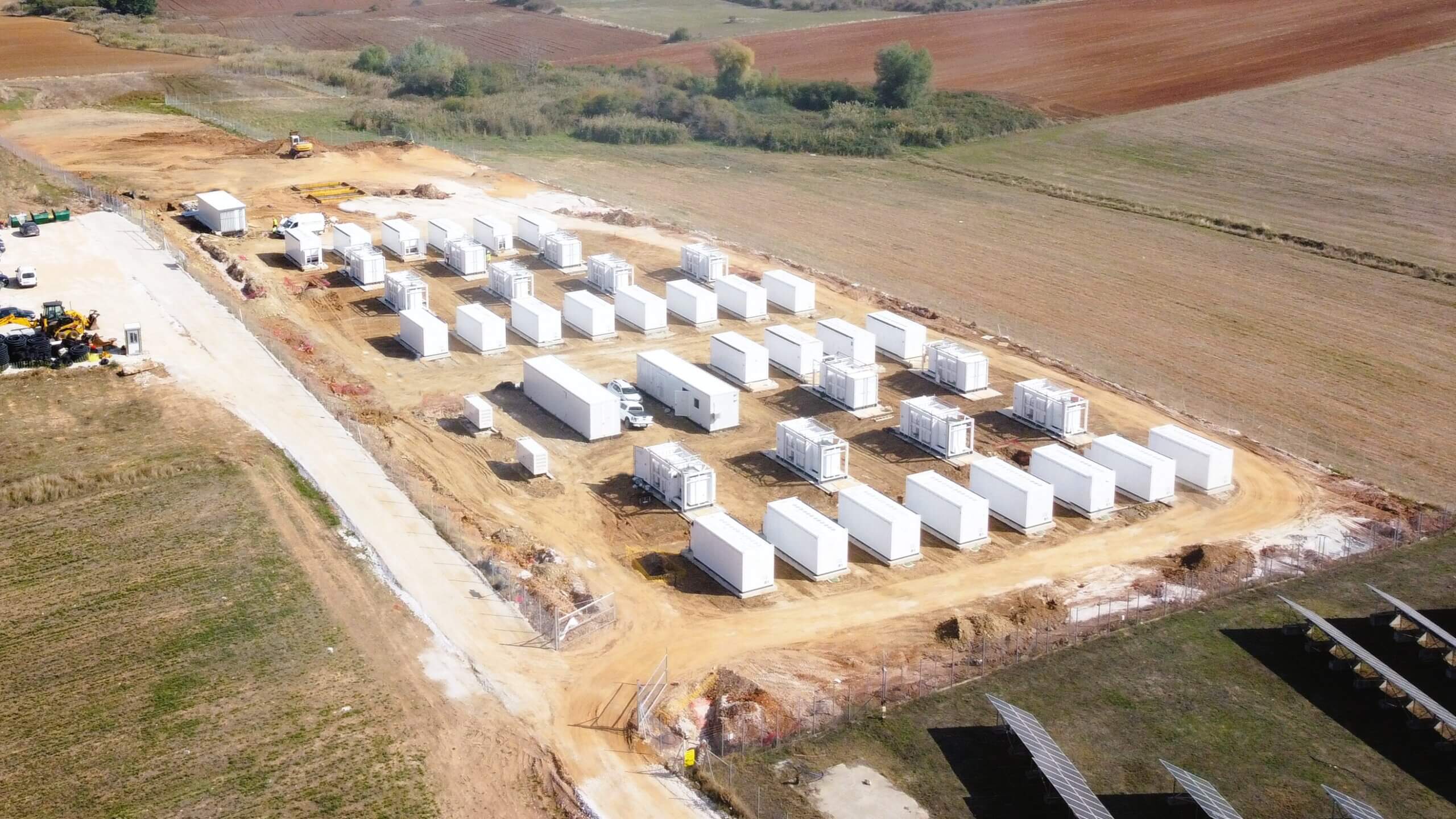
Energy storage is a catalyst for the energy transition, as it allows for greater utilization of production from renewable sources. Investments in storage systems are the only way to reduce energy costs and ensure adequacy and stability for households and businesses.

Modern storage systems contribute significantly to the flexibility and adequacy of the electricity system. They support the management of congestion and excess production, while ensuring energy coverage during peak periods.

With our eyes on the future, we are investing in innovation, with a focus on energy storage projects. Principia’s first storage project is the Battery Energy Storage System plant “Themelio” in Chalkidiki, with an installed capacity of 127 MWh (49MW). With storage through batteries, the project maximizes its operation, feeding energy into the grid even on days without sunshine.

> Read More
Skip to content