Articles
15 June 2026
Global Wind Day: Power for a more sustainable future
Every year, Global Wind Day gives us the opportunity to talk about wind, one of the most important pillars of the global energy transition.
Established by the European Wind Energy Association and the Global Wind Energy Council, Global Wind Day (June 15) is more than a celebration: it’s a reminder of how far renewable energy has come, and how much further it can take us.
In the context of our journey, Global Wind Day is a moment to look back at our milestones, and forward to the role we continue to play in shaping a cleaner, more resilient energy future in Greece.
Strengthening Our Wind Portfolio
Over the past few years, we have steadily expanded our footprint in wind energy, building a strong and geographically diverse portfolio across Greece in order to scale clean energy production in a reliable and sustainable way. A key milestone in this journey has been the recent acquisition of four operational wind farms, adding around 150 MW of capacity to our portfolio.
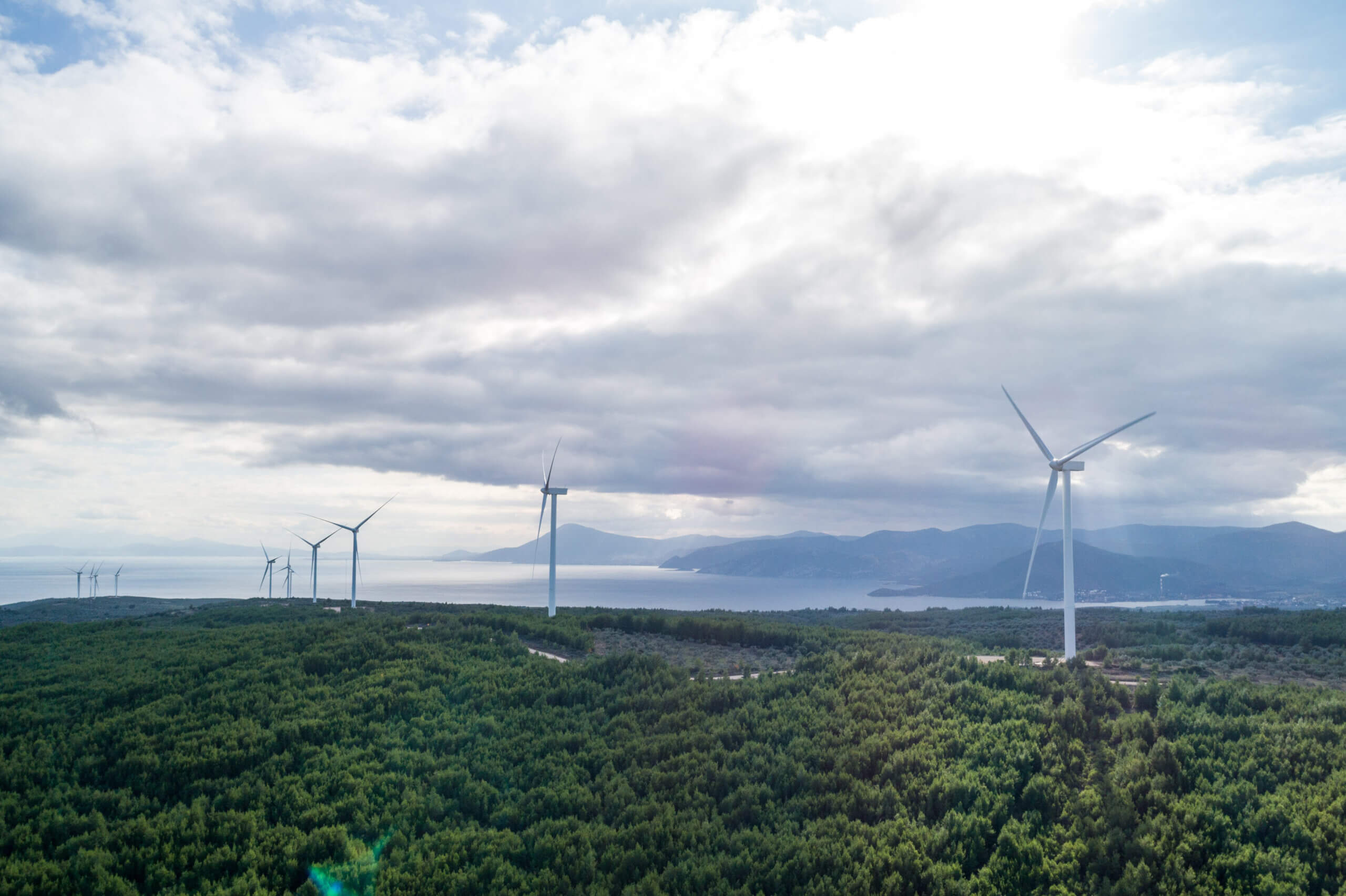
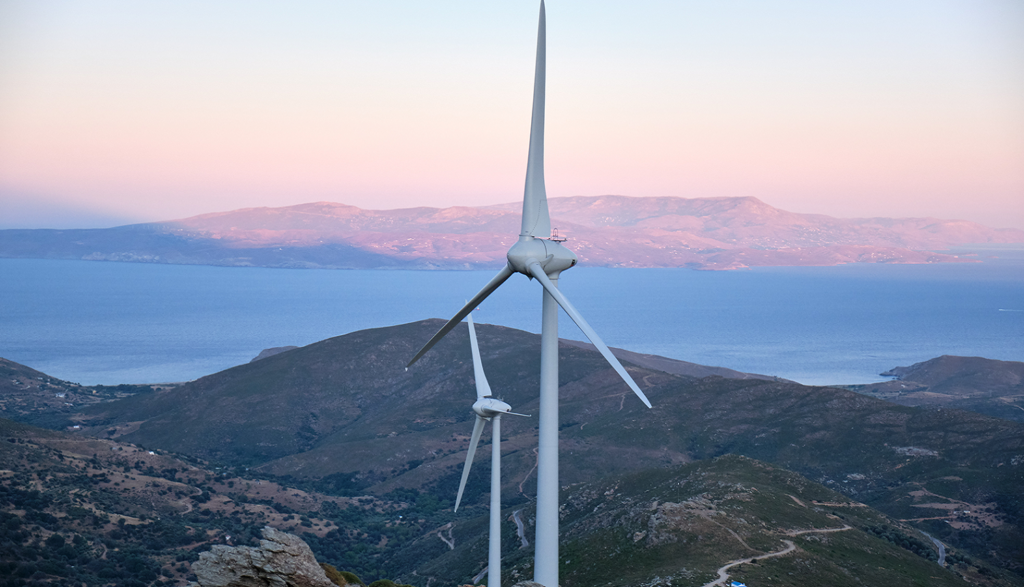
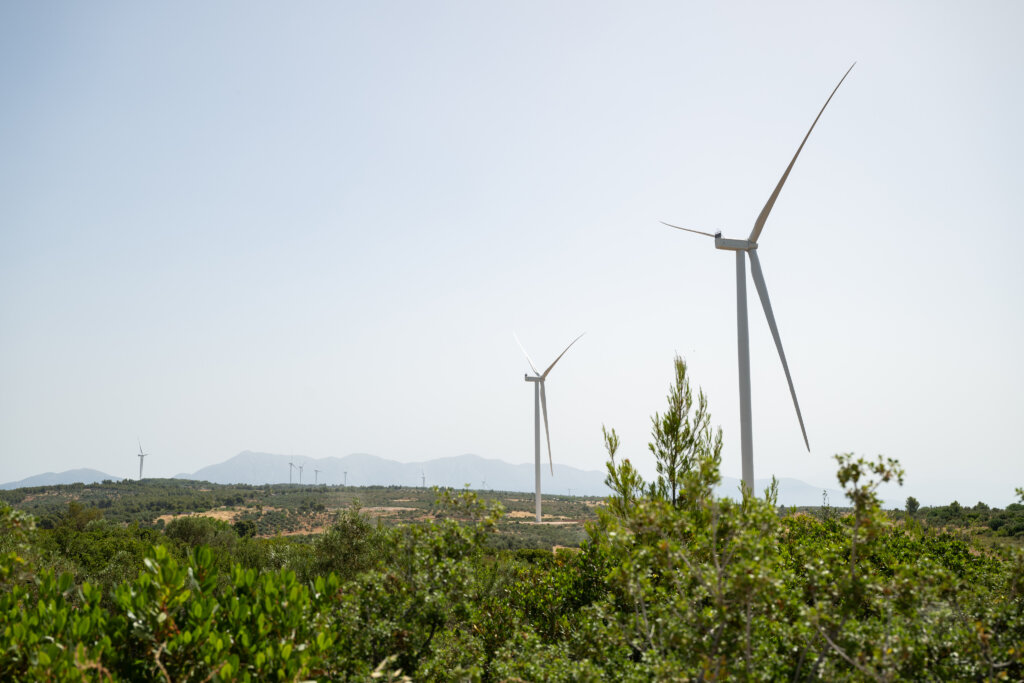
With each new asset, we move closer to a system where renewable energy is not an alternative, but the foundation. Today, with 29 wind farms operating across more than ten regional units, including landmark projects such as the Kafireas Wind Cluster in South Evia, our portfolio reflects the growing importance of wind energy in Greece’s energy mix.
From Infrastructure to Experience
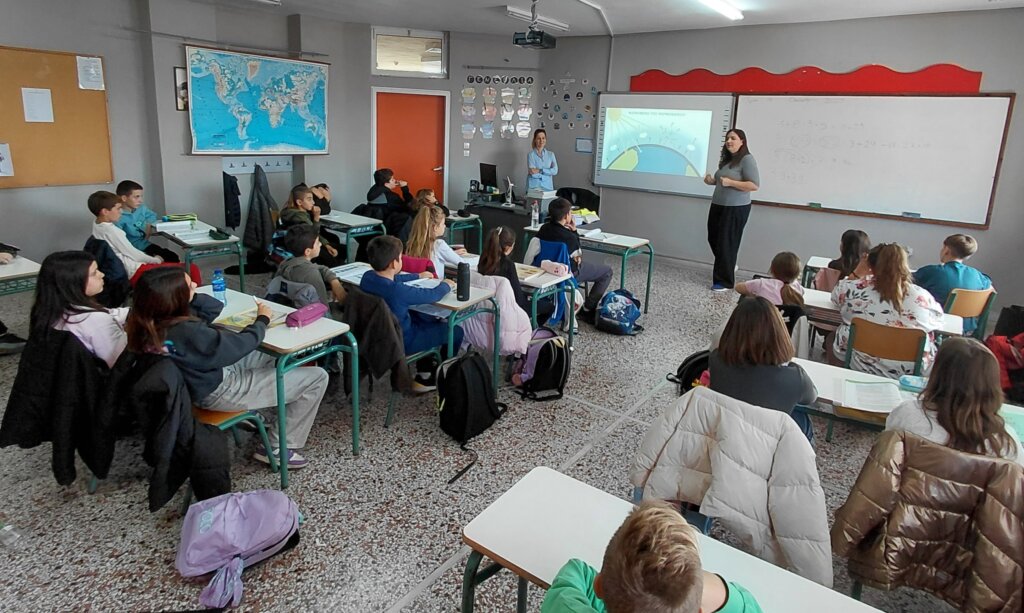
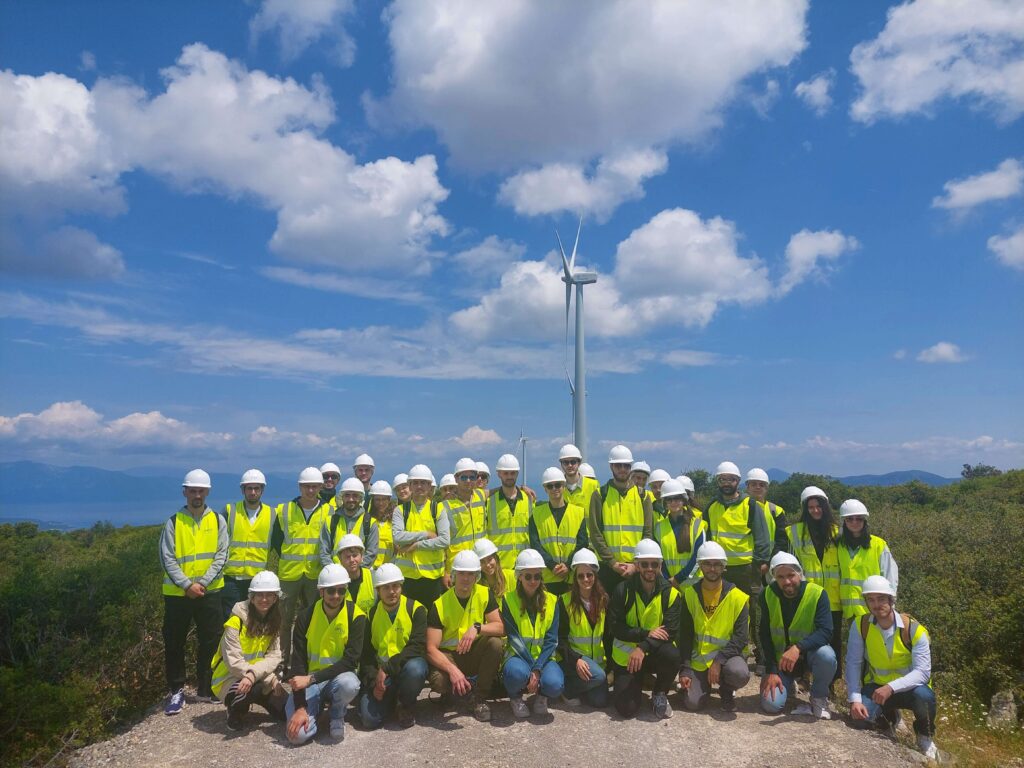
Our wind farms are open spaces: through targeted initiatives, we welcome students and youth to our plants, giving them the opportunity to experience renewable energy up close. These interactive experiences combine learning, teamwork and environmental awareness, as they are designed to inspire curiosity and help people connect with the energy transition in a direct and meaningful way.
At the heart of this approach is “Energy on the Go”, our educational program. In the last 11 years, thousands of students across Greece have already had the chance to know more about our wind farms, explore how energy is produced and interact with the people who help operate and maintain our projects. This experience also opens a window to future career paths in the renewable energy sector, something that becomes increasingly important as the industry continues to grow.
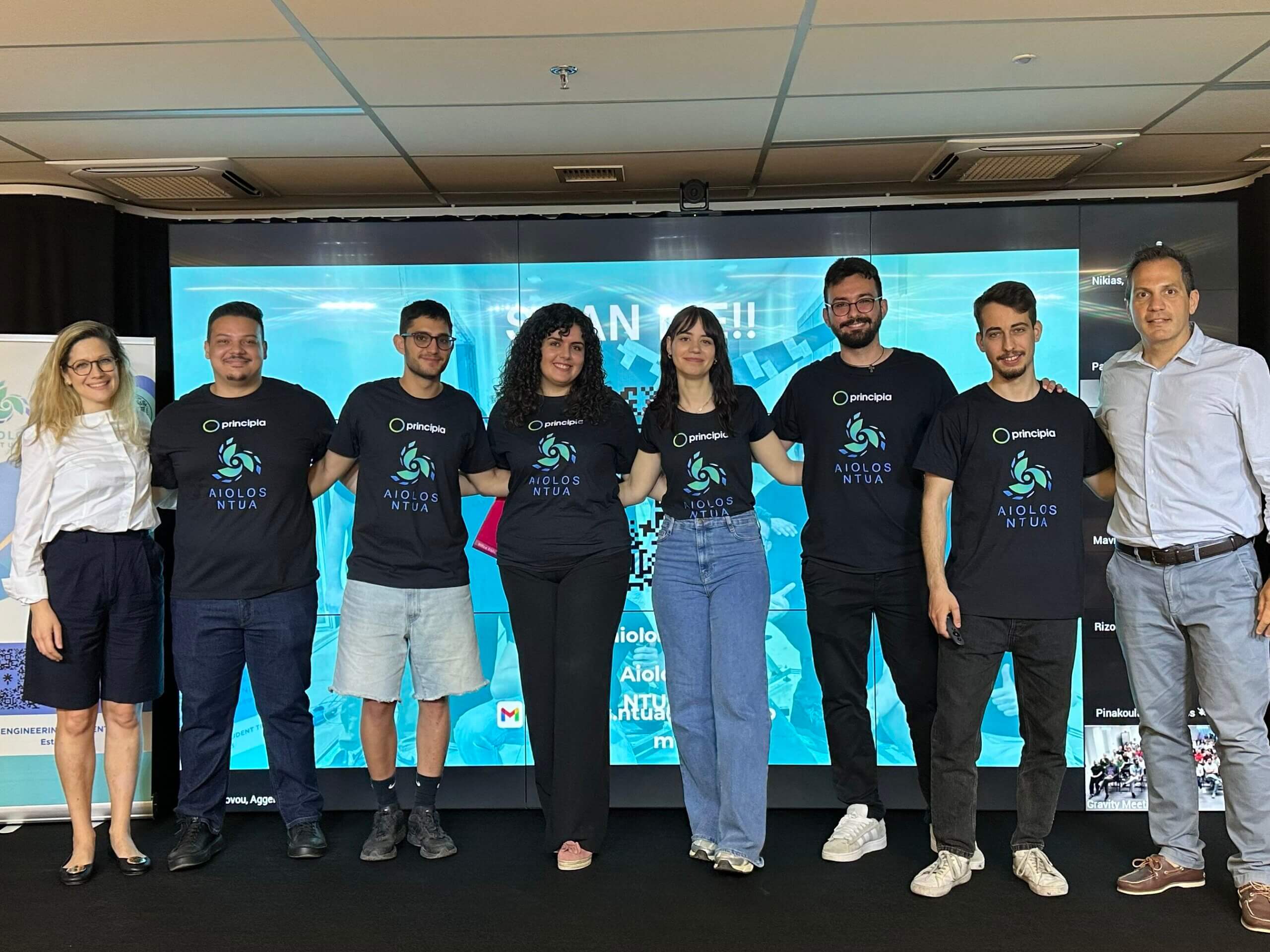
At the same time, we support student initiatives and research projects that help shape the energy generation of tomorrow. In this context, we support academic seminars exploring scientific excellence and initiatives such as the Aiolos NTUA team of the National Technical University of Athens, which explores innovation in the design and manufacturing of small wind turbines.
Creating Value Where We Operate
Our approach to wind energy extends beyond production and education, to community involvement. Across our sites, we actively support local communities and ecosystems, whether through biodiversity protection initiatives, reforestation projects such as the rebirth of the Kastanologgos chestnut forest near Kafireas, partnerships with local stakeholders, among which our support towards beekeepers in the Karystos area, or actions that contribute to the local economy.
A Shared Journey
Global Wind Day is, ultimately, about connection: it connects people with energy, communities with opportunity, and today’s investments with tomorrow’s outcomes. We continue to invest in wind energy, to open our projects to society, and to create meaningful experiences that bring people closer to the energy transition, while driving progress towards a more sustainable future.

1 April 2026
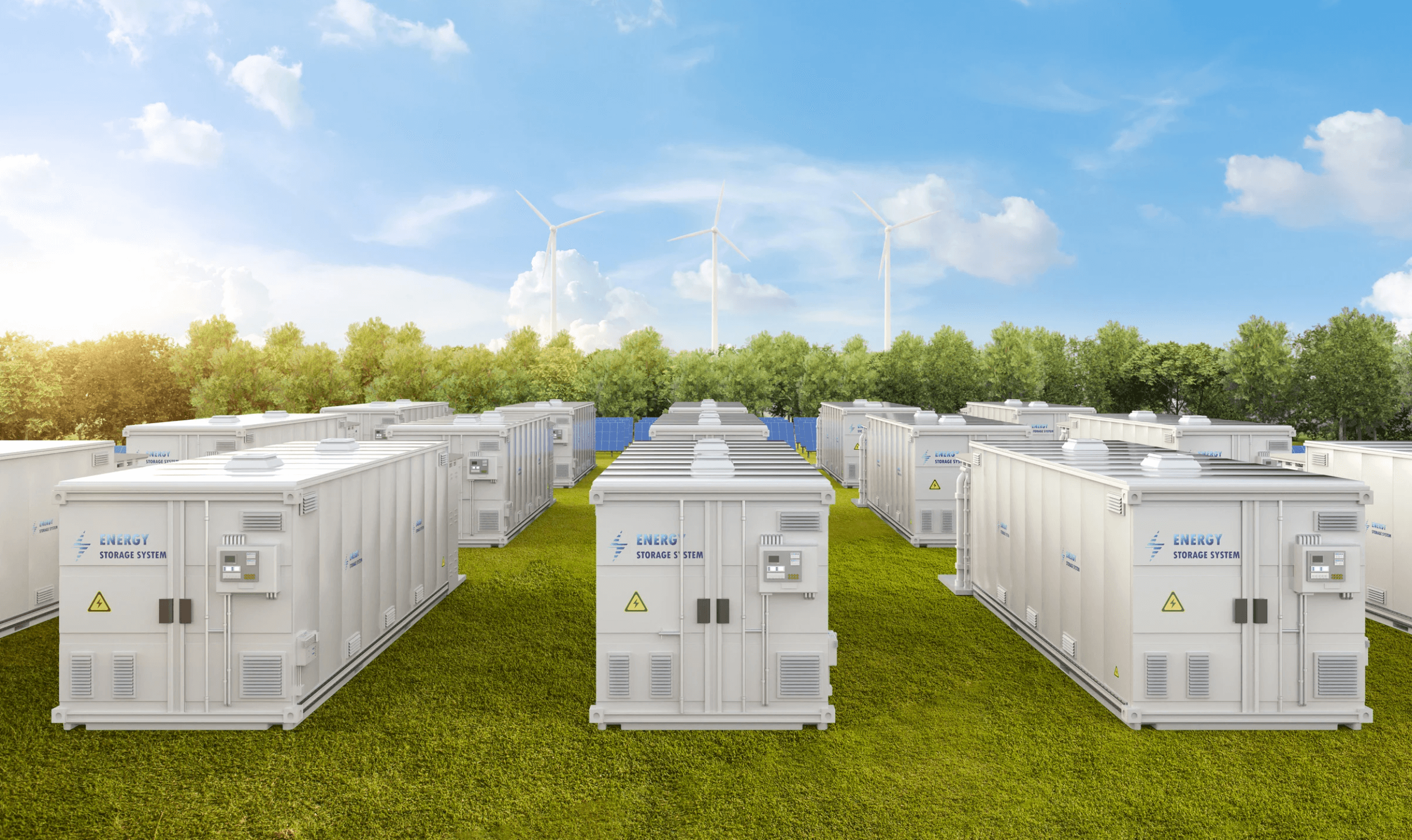
Energy Storage: Milestones & priorities for the development of the sector
By Apostolos Panos, Chief Commercial Officer of Principia
The Greek storage market has already made substantial strides in terms of institutional design in 2021–2022. The basic regulatory framework has been formed, ~900 MW tenders have been launched and the foundations have been laid for the integration of storage into the system. However, at the implementation level, the picture remains weak. To date, no battery project has been linked, which shows that the market is still at the starting point.
It is to be expected that each new market needs time to mature. This is crucial, as the NECP's target of ~4 GW by 2030 is not only ambitious, but necessary for the continuation of the energy transition. At the same time, investment interest is already exceeding forecasts, with requests for standalone plants above 50 GW. The key issue today is not demand, but speed of implementation.
Electrification Battery Projects
The delay in the electrification of battery projects is not due to either the lack of interest or the inability of investors to proceed with their projects, but mainly to the delays of the very framework in which these projects had to mature and finally operate. Although these were projects with strict schedules due to the Recovery Fund, there was no corresponding acceleration procedures. Significant delays were recorded in the issuance of Connection Terms, but also at the level of local services and individual licensing procedures.
The main issue, however, was found in the interconnection infrastructure, whether it was a new Substation, an extension of an existing one, or the interconnection lines themselves. As a mitigating circumstance for IPTO, it must be recognized that the successive legislative interventions for the prioritization of the Connection Terms created a complex environment, with multiple categories of projects claiming priority at the same time. This led to ambiguity as to the order of examination. All this, even when it became clear that the plants would be considered with absolute priority, the times for both the issuance of Connection Terms and the association contracts were longer than expected.
With pressure on the Ministry of Environment and Energy and the competent bodies, several of these issues proceeded. Although some projects were technically ready for electrification as early as the end of 2025, they could not operate due to shortcomings in the regulatory framework. In particular, the contractual framework with DAPEEP had not been completed in time, the framework of representation through FOSE had not yet been fully activated, while basic technical rules for the participation of battery projects in the markets were also pending.
Today, most of these issues have now been resolved, even with a significant economic impact on investments. For this reason, the first battery plants are very close to being electrified in April, which will essentially mark the real start of the market.
Regulatory framework
Greece moved early on at the level of institutionalization, but after five years it has still not managed to electrify its first project. Its initiatives have not been transformed into operational projects, while other countries in the region, such as Bulgaria and Romania, already have projects in operation and are expected to exceed 1 GW within the year, so it is clear that they have done something better - and especially faster - than us.
The difference is not so much in the targeting as in the application. In countries such as Italy, Bulgaria and Romania, access to electricity was given more directly and more clearly, while the licensing process followed a shorter and less complicated route. At the same time, the support schemes adopted also played an important role. And here it is interesting that in several cases these tools were applied later than the corresponding Greek ones, but they worked more effectively, precisely because they were combined with faster procedures and greater predictability.
Strong investment interest
The market recognizes that storage is a key tool for managing the high penetration of renewables, as well as green energy cuts that are increasing exponentially. There are still open issues as to the prioritisation of different categories of projects, which directly affect the market. There are significant delays in the issuance of Connection Terms for merchant projects that will ensure electrical space through the relevant invitation of the Ministry of Environment and Energy, as there was also a delay in the adoption of the regulation that allows the integration of storage in existing projects and mature projects with Connection Terms.
Although the relevant framework now exists, it is not yet clear with what priority these requests will be examined and will receive Terms of Association. Will they be examined in parallel, will they precede or follow? This ambiguity creates uncertainty in the investment environment. There is therefore a risk that some investments will be postponed or lost, because the predictability required to make final investment decisions is undermined.
Projects without aid
Banks have already demonstrated that they can finance storage projects, especially when there is a more protected revenue profile, as was the case with tender projects. Caution is mainly found in projects without aid. There, revenue is not guaranteed and depends on the spread and market participation. This significantly increases the risk. In practice, this implies stricter conditions and selective financing, especially to large and reliable investors.
In other words, there is no lack of interest from the banking system, but there is an adjustment to higher risk, especially when mechanisms that enhance cash flow predictability are missing. And in this environment, ensuring a minimum level of regulated revenue for batteries becomes crucial to enable the market to grow at scale.
Interventions that can accelerate growth
In the current context, it is necessary to ensure the timely electrification of storage units from the first two tenders and their smooth operational integration into the system. At the same time, a review and, where necessary, an extension of the contractual completion timelines of the projects of the third tender will be needed to ensure their smooth completion.
At the same time, there must be initiatives for the issuance of Connection Conditions to additional storage units — both through the Ministry of Environment and Energy's Invitation for merchant projects and through the integration of storage solutions into existing projects — based on the existing regulatory framework. Dialogue and technical cooperation with market operators (ENEX), system operators (IPTO) and the regulatory authority for the adaptation of market rules and operational procedures will result in a more efficient and safer use of the potential of storage systems.
It is also necessary to design regulatory proposals and put forward policy measures aimed at improving the investment profile of storage projects – including the formulation of new support schemes incorporating best practices from Europe. This initiative will include a benchmarking of support frameworks in countries such as Italy and Bulgaria and proposals for combined adaptation in the Greek context.
Factors that cause uncertainty
Our country has already lagged behind the initial call for standalone batteries of 4.7 GW without aid. The announcement of the selected projects was scheduled for the end of 2025, while the evaluation committee was only recently established.
However, the key issue is not only the evaluation, but mainly the next stage: the issuance of Connection Terms and the actual ability of the system to absorb the power. Grid analysis and finding electrical space are complex and time-consuming processes, resulting in uncertainty about what percentage of projects will go ahead. Even after selection, it will take time to ripen. Realistically, a significant portion of the projects will hardly be ready for construction before at least a year has passed.
Creating support mechanisms
Sustainability is highly dependent on revenue predictability. In the case of storage, we are talking about a technology that is still at a relatively early stage, without a long operating history of 10–20 years, which allows safe conclusions about the return on investment, which increases the perceived risk. Revenues depend on market conditions and exhibit high volatility.
In this environment, support mechanisms – whether investment or operational – are crucial. They enable project implementation, create track records, and enhance market maturity. The strong interest recorded in the tenders shows that capital is available, provided that the risk is manageable. In the long run, the market may move towards merchant models. At this stage, however, support remains a key condition for scale growth.
Revenue as an unexpected factor
In the current situation, with increased penetration of RES and intense phenomena of oversupply mainly from photovoltaics, the spread is particularly favorable, however, these conditions are not stable. The entry of significant storage capacity in the Greek and interconnected markets, the possible slowdown in investments in RES, but also the increase in demand due to electrification (electrification, heat pumps, data centers) can lead to price convergence and, by extension, to a reduction in the available spread. At the market level, most of the revenues, especially in the long term, come from the day-ahead market, which remains dependent on supply and demand conditions. Balancing and ancillary services markets can offer high profit margins, particularly for first-time projects to operate. However, they are markets with limited volume and, with the introduction of new storage units, they are expected to saturate relatively quickly.
The storage projects are supportive of RES and the operation of the system. Due to their nature and technological flexibility, they have the ability to respond in real time at the millisecond level to the Administrator's commands, absorbing or injecting energy according to the needs of the system. In more mature markets, storage systems participate in all individual markets, without restrictions, taking full advantage of their features. In Greece, on the contrary, the framework continues to include static constraints, such as injection limits, that do not reflect the dynamics of the technology.
The aim is to create a correspondingly flexible operating framework, in which they will be able to offer services at any time in all markets without restrictions, achieving the so-called revenue stacking, which makes investments more economically viable.
The future of the storage market
The next two years for the energy storage market are crucial. The first milestone is the activation and smooth operation of the first projects, which will be the first test of the framework. Second, progress in issuing Connection Terms for new projects, both for merchant projects and for adding storage to existing projects. The third concerns the next step at the level of market and support, i.e. whether there will be continuity in competitive processes or capacity flexibility compensation mechanisms that will offer greater visibility of revenues and therefore better financing conditions.
However, the success of storage projects will not only be judged by their response to the quantitative targets of the NECP. The installed power is significant, but it is not enough on its own. Success will mainly be reflected in whether storage will substantially improve the operation of the system, whether energy cuts from RES will be significantly reduced, whether the green energy produced will be better utilized and whether the overall stability of the market will be enhanced.
The above is extracted from Apostolos Panos' interview to Lalela Chrysanthopoulou, published on energygame.gr and powergame.gr, on 31/3/2026.

7 January 2026
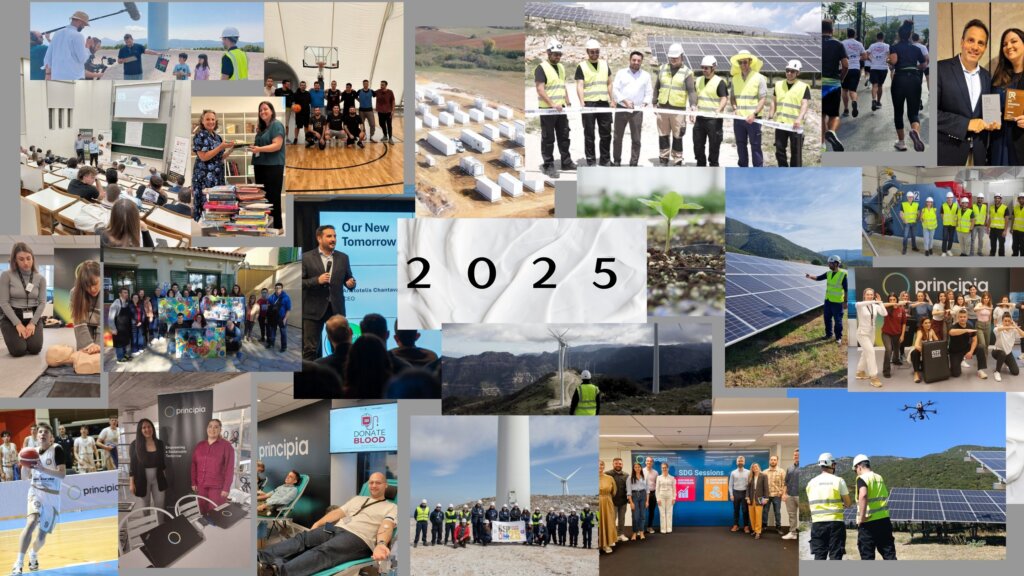
Principia 2025: A Year of Growth, Innovation and Positive Impact
The year 2025 marked a period of significant expansion, steady financial performance and strengthened contribution to Greece’s energy transition.
Through strategic investments in Renewable Energy Sources, energy storage and sustainable development, Principia continues to build a resilient, green future for all.
Strengthening Our Portfolio & Advancing the Energy Transition
In 2025, Principia achieved substantial growth, technological advancement and a deeper positive impact on the country’s green transition. With targeted investments in renewable energy projects, storage infrastructure and sustainability initiatives, our portfolio expanded significantly, reaching 626 MW of installed capacity - an impressive 30% increase compared to the previous year.
A major milestone was the completion of our first Battery Energy Storage System (BESS), a 49 MW facility located in Chalkidiki. The project, commercially known as “Themelio,” enhances the stability and future resilience of the Greek electricity system and marks Principia’s dynamic entry into the energy storage sector. In May, we inaugurated the “Perasma” Solar Cluster in Kozani — another landmark project supporting Greece’s decarbonization and energy transformation. Situated near the villages of Mavrodendri and Sideras, at altitudes reaching 750 meters, the project comprises seven PV plants with a total installed capacity of 95 MW.
Through these projects, Principia continues to play a decisive role in increasing clean energy production and accelerating the transition to a more sustainable energy model.
Social Impact & Corporate Responsibility
Our growth extended far beyond infrastructure and operational milestones. In 2025 we continued to invest meaningfully in local communities through initiatives focused on social contribution and environmental responsibility.
We supported the construction of the new Artificial Kidney Unit at the Karystos Hospital - a vital project scheduled for completion in 2026 that addresses an urgent healthcare need for the wider Evia region. Across Greece, we implemented 36 initiatives benefiting local communities, while our employees dedicated 1,085 volunteer hours through 12 actions, with Community Week 2025 being the highlight of the year. In total, we collaborated with and supported 19 nonprofit organizations and institutions, strengthening relationships of trust and providing direct support to those who need it most.
Our People & the Next Generation of Talent
Our people remain at the heart of every achievement. In 2025, we continued to invest in their development, wellbeing and growth.
Through our long-standing educational program Energy On The Go, we inspired 837 students to explore renewable energy technologies and the opportunities of the green economy. We participated in major Career Days at leading universities and delivered lectures on the RES sector in Athens and Crete, sparking new ideas and fresh perspectives.
Internally, we offered more than 4,892 hours of training, organized our first Internal Summit, conducted collaborative workshops that strengthened teamwork and innovation and expanded our wellbeing initiatives. At the same time, 15 new talents joined the Principia team, further enriching our collective expertise and potential.
Environmental Commitment & Sustainability
For Principia, sustainability and environmental stewardship are not aspirations - they are embedded in the way we operate.
In June, we announced the completion of a large-scale reforestation project covering 660 acres of forestland in the Kastanolongos region of South Evia, near the “Kafireas” Wind Cluster. This project not only contributes to the preservation and regeneration of ancient wild chestnut forests but also stands as a pioneering example of forest restoration, with no comparable initiative previously implemented in Greece. We also recycled a total of 8.62 tons of waste, including paper and electrical/electronic equipment, thereby preventing 892 tons of CO₂ emissions. In 2025, we also published our first Sustainability Report, reinforcing our commitment to transparency and formally affirming our path to becoming Net-Zero by 2040.
Public Dialogue & Recognition
Our presence in the public and professional sphere strengthened considerably in 2025. Principia participated with 13 speaking engagements at major industry conferences, sharing our vision, values and strategic priorities for the country’s energy future.
Our work was recognized with three significant awards - PR Awards, Cloud Awards and Event Awards - highlighting our innovation, operational excellence and positive social and environmental impact. With a clear strategy, a strong sense of responsibility and a team that continues to evolve, Principia remains committed to shaping the country’s energy future through sustainable projects, empowered people and thriving communities.
26 September 2025
Innovation & Sustainability: Turning Vision into Action
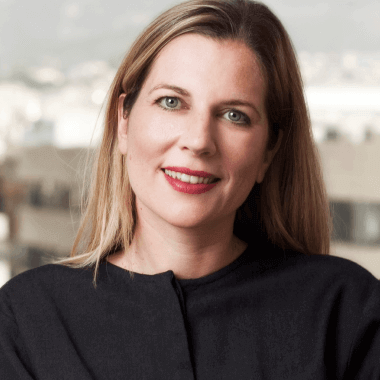
By Eugenia Melea, Chief People, Culture & Sustainability at Principia
In recent years, “innovation” and “sustainability” have become two of the most used words in business. Far from being two buzzwords, they constitute deeply interconnected forces that, when combined, can shape a better future.
Sustainability without innovation can become a static checklist, unable to keep pace with urgent environmental and social challenges. Innovation without sustainability may deliver short-term excitement but long-term harm. However, when they work together, they create solutions that are both forward-looking and future-proof. Innovation provides the tools and creativity while sustainability provides the direction and responsibility.
Asking The Right Questions
Sustainable thinking forces us to ask: What will this mean for people, the planet, and future generations? That question opens the door to new business models, partnerships, and ways of working.
In the energy sector, integrating local community needs into renewable projects has sparked creative partnerships that would never have emerged in a purely profit-driven model. At Principia, for example, we created the Vamvakies A Social Green Project to combine clean energy production with local entrepreneurship: a group of women cultivated aromatic plants within our solar park in Kozani, creating new income streams while strengthening community ties. This kind of innovation emerges when sustainability is part of the design process from day one.
Our embrace of innovation continues to drive both operational efficiency and environmental stewardship. Our Tyto initiative entails deploying artificial barn-owl nests across twelve of our solar parks, which not only fosters local biodiversity, but actively contributes to natural pest control, reducing reliance on chemicals. Similarly, we’ve engineered and deployed a fully autonomous robotic system, nicknamed “Aristos” and tasked with mowing grasses and managing vegatation across our solar sites. By automating what was once labor-intensive maintenance, Aristos significantly cuts operating costs and minimizes human intervention.
Leading with the Future in Mind
Embedding sustainability across an organization requires leadership at all levels to embrace a mindset of long-term stewardship. This means taking a long-term view, even when short-term pressures are intense, with ESG as a driver of resilience and competitiveness. It is also crucial to encourage collaboration across functions so that sustainability is integrated into every decision.
Leaders also need to prioritize safety in the workplace and foster a culture where people feel free to challenge assumptions, propose unconventional ideas, and learn from failure. Without that, innovation stalls.
Breaking Barriers, Building Momentum
Short-term outlook, siloed thinking, and fear of change can pose major obstacles that can only be overcome by having the right structure and culture in place. This means linking leadership incentives to sustainability outcomes, running small pilots to prove new ideas, and making it clear that learning from failure is part of progress.
One way to bridge gaps is to connect directly with the next generation. Our Energy On the Go program does exactly that: our teams visit schools across Greece to inspire children about renewable energy. This educational activity raises awareness while planting the seeds of future innovation by showing young people that they can be part of the energy transition.
Turning Ambition into Everyday Action
Turning the theory of “innovation plus sustainability” into practice starts with listening to diverse voices, because complex problems demand multiple perspectives. It requires aligning innovation goals with clear sustainability outcomes, ensuring that creativity is always anchored in purpose. And it depends on measuring and reporting progress transparently, so that achievements are visible, challenges are acknowledged, and accountability is built into the process.
At Principia, our first Sustainability Statement, aligned with the European Sustainability Reporting Standards, gave us a framework to integrate environmental, social, and governance priorities into our strategy. But more importantly, it reaffirmed that for us, sustainability is not a trend, but a clear commitment.
The energy transition will not be driven by technology alone. It will be shaped by the values we embed in our innovations, the inclusivity of our decision-making, and the courage to think beyond the next quarter. Because the most powerful innovations are those that make life better — not just for us, but for the generations to come.
The article was published on The Boardroom’s LinkedIn account on September 26, 2025.
18 September 2025
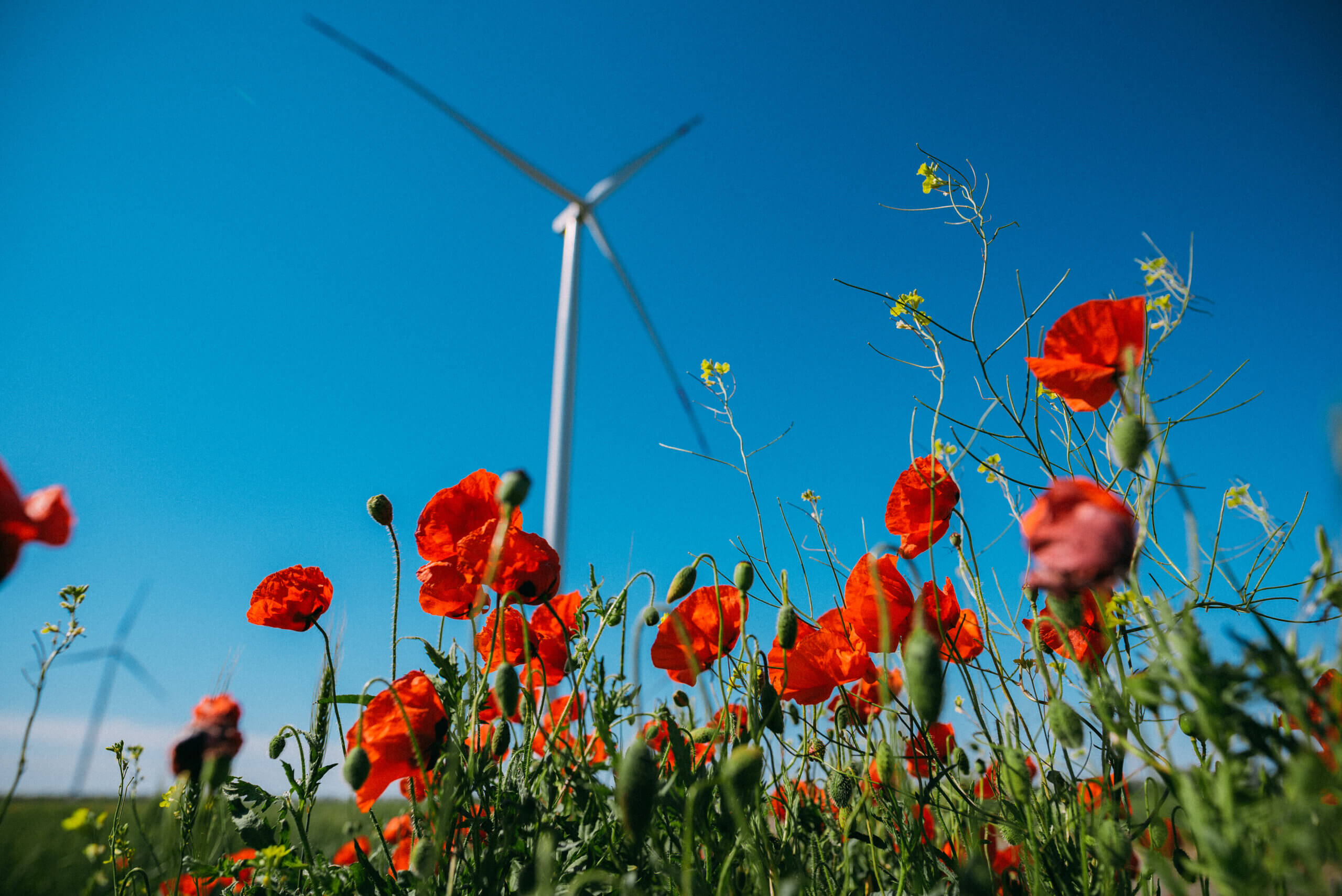
Biodiversity and Renewable Energy: Synergies for a More Sustainable Future
Renewables can play a key role in preserving and enhancing our natural heritage, alongside the green transition
Biodiversity, i.e. the set of living organisms, habitats and ecosystems, as well as the interactions that develop between them, is a cornerstone for the functioning of the natural world and human well-being. Pollution, climate change and soil erosion threaten biodiversity, reducing the ability of ecosystems to provide clean water, fertile soil, and natural pest control.
The green transition is a key step towards tackling climate change, reducing carbon dioxide emissions, and ensuring energy autonomy, while at the same time it can contribute to the conservation of biodiversity, through innovative initiatives.
Clean energy, environmental protection
By limiting the use of fossil fuels for energy production, renewables reduce emissions of CO₂ and other gases that exacerbate climate change. This ensures better conditions for sustainable ecosystems and reduces pressure on natural habitats, which indirectly supports biodiversity.
The development of innovative energy storage solutions (BESS), such as our new project in Paliolivada, Halkidiki, enhances the penetration of renewables into the energy mix, utilizing production when it peaks and further reducing the need for the use of polluting plants. As a result, the impact on flora, fauna, and aquatic systems is significantly mitigated, compared to fossil fuel energy production.
Initiatives with a meaningful impact
Recognizing the need for environmental sustainability and nature protection, we implement a series of initiatives that expand our green footprint. Through studies and in collaboration with local communities and bodies such as the Forestry Department, we proceed with reforestation that restores degraded forest areas and enhances their long-term ecological value. A typical example is the revitalization of 660 acres of land in Kastanolongos, Evia., where we planted 30,000 new saplings to help restore an ancient wild chestnut forest.
At the same time, in collaboration with the organization "Tyto", we implemented an innovative program to enhance the reproduction of the species of the owl of the same name. In order to limit the damage caused by rodent populations to our photovoltaic projects, we installed artificial nests that will be colonized by the nocturnal predator, which feeds almost exclusively on mice. Our goal was to support the reproduction of the Barn owl while avoiding the use of chemicals or other substances, which would damage the subsoil and the aquifer.
In addition, near our Agios Kyrillos and Kouloukonas Wind Farms in Crete, we have created special feeders for birds of prey, in collaboration with the Natural History Museum of Crete and the University of Crete. By supplying, operating and monitoring the feeding stations, we have helped significantly to strengthen the population of birds of prey that pass through the areas of Asterousia – Kofinas and SE Psiloritis.
Green transition with respect for Nature
The combined approach of biodiversity and renewable energy shows that renewables can play a key role in preserving and enhancing our natural heritage. The transition towards an energy-sustainable future is not just a change in technologies but also an ecological and social challenge, focusing on protecting nature, preserving biodiversity, and building resilient and vibrant local ecosystems.

18 July 2025
The Benefits of Energy Storage
Investments in more storage of energy from renewable sources ensure greater penetration into the system and are the only way to cheaper energy and cost savings for households and businesses
Energy storage is a catalyst for the energy transition, as it allows greater use of production from renewable sources. Investments in storage systems are the only way to reduce energy costs and ensure adequacy and stability for households and businesses.
Critical role in the electricity system
Modern storage systems make a decisive contribution to the flexibility and adequacy of the electrical system. They support the management of congestion and overproduction, while ensuring energy coverage during peak periods.
According to the International Energy Agency (IEA), the global storage market has almost doubled within a year, reaching 170 GWh in 2024 from 90 GWh in 2023 – a trend that is expected to intensify even more in the coming years.
Principia's strategy
With an eye to the future, we are investing in innovation with energy storage projects at the forefront. A primary example is our 49 MW BESS project "Themelio" in Chalkidiki, which is among the winners of the recent stand-alone storage tender.
Enhancing the penetration of renewables
Renewable energy sources are at the core of the strategy for a sustainable and independent energy future, according to the National Energy and Climate Plan. Energy storage enhances the penetration of renewables into the energy mix, harnessing production when it peaks – like photovoltaics on days of high sunshine.
During these hours, battery systems absorb and store energy that can replace or support the operation of conventional production units.
Cost reduction and price stability
Storage acts as a buffer for fluctuations in energy prices, stabilizing supply and limiting the need to resort to expensive, polluting units. This translates into lower costs and greater security for end consumers.
Optimizing electrical space
The combination of storage with the modernization and expansion of the grid is necessary to cope with restrictions and cuts in RES production. At the same time, solutions such as the repowering of existing plants or hybridization with the installation of photovoltaics in existing wind farms maximize the utilization of the available electrical space and increase the overall efficiency of the projects.
Towards a stable regulatory framework
The rapid penetration of new technologies requires a clear and stable regulatory framework. Only in this way will the necessary environment be created to attract investments, make the best use of the existing infrastructure and complete the transition to a sustainable and autonomous energy model for the country.
2 July 2025
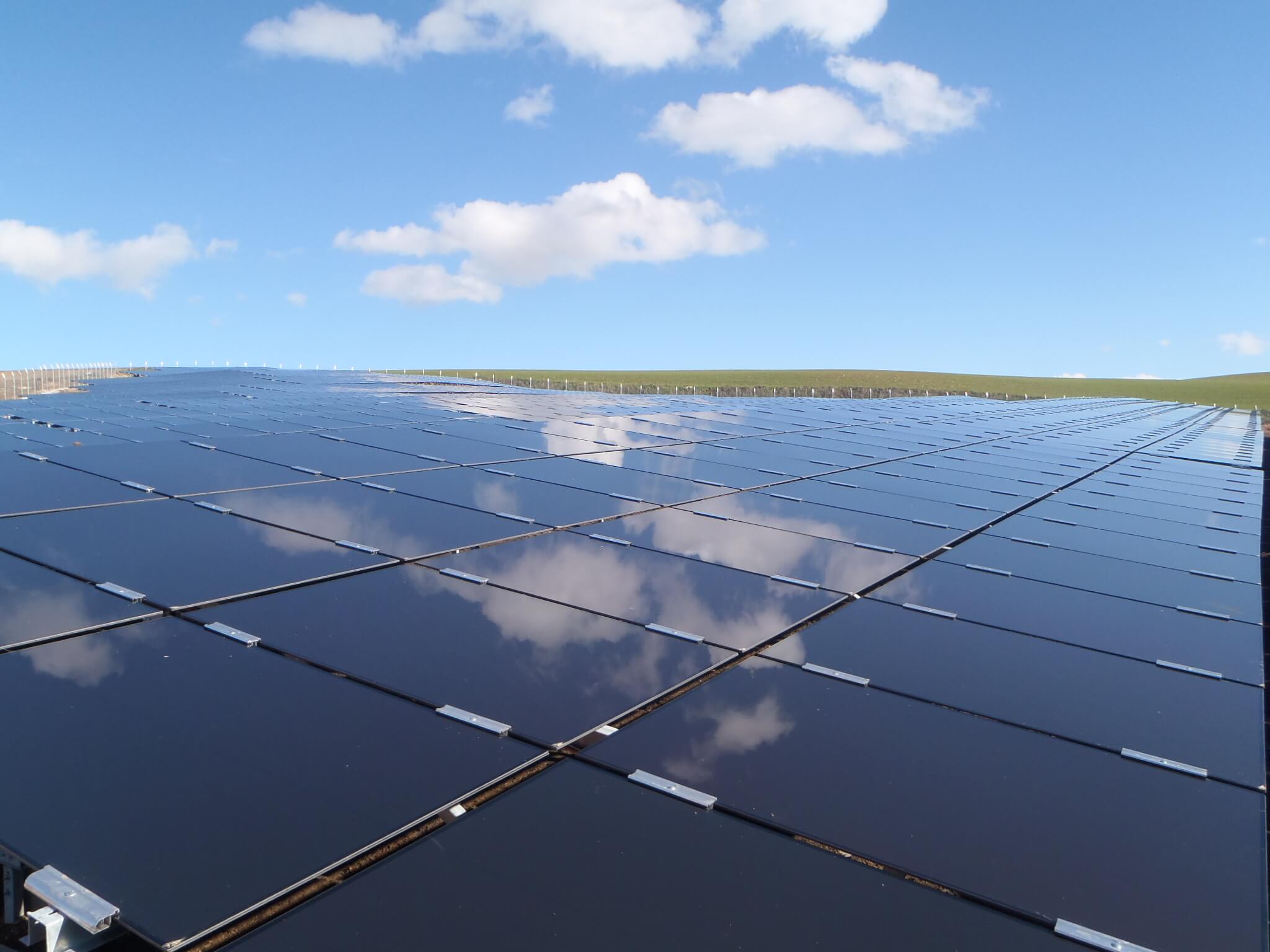
Flexibility, speed and solar energy: The foundations for Europe's energy future
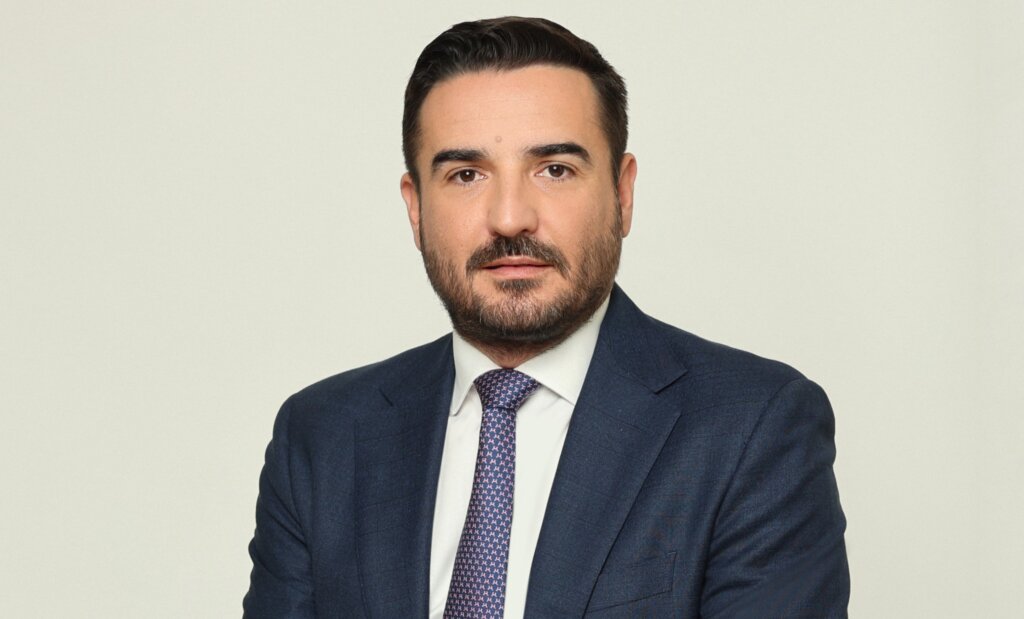
By Aristotelis Chantavas, CEO of Principia & President of SolarPower Europe
Faced with the triple challenge of security, competitiveness and the climate crisis, Europe must move into the future with a clear commitment to the energy transition: Flexibly harnessing solar energy to accelerate and ultimately achieve full electrification.
Europe at a critical crossroads
Last year, Europe achieved a historic milestone: The sun surpassed coal in electricity generation. This is not just something symbolic, but also a tangible step towards building a resilient, stable energy system.
Over 65 GW of solar power was installed across Europe in 2024 alone. Public services, hospitals, schools and rural units are increasingly turning to solar energy to reduce their bills and emissions. Solar energy today covers the electricity needs of more than 80 million European households. But we need to go further and faster.
Clean Industrial Deal: A Strategic Opportunity
The implementation of the European Commission's "Clean Industrial Deal" strategic plan can be a catalyst for the energy transition. The prioritization of electrification as a key strategy, with a target of 32% by 2030 – from 23% today – is positive. However, this goal must be seen as a basis, not a limit. Because reality shows that there is huge untapped potential in sectors such as transport, buildings and industries.
In addition, the full and swift implementation of existing legislation on renewables and the electricity market will reduce price speculation and ensure that clean energy becomes a tool rather than a barrier to competitiveness, paving the way for even more investment.
In addition, initiatives to support and strengthen the technological supply chain can act as a catalyst for the relaunch of European industry in the field of solar technology. It is enough to apply them carefully, as an incentive and not as a restriction that will stop growth.
Without flexibility there is no transition
The biggest stake for the future is the flexibility of the system. The success of the Clean Industrial Deal and the Green Deal depends on our ability to adapt our infrastructure to a reality where production is now decentralized and variable.
Energy storage – particularly through batteries – is the shortest path to cheaper and more stable energy. SolarPower Europe estimates that an energy system based on renewable sources and flexible technologies can reduce daily electricity prices by 25% by 2030.
The EU has already laid the foundations for the grids, but this is not enough. A European Storage Action Plan is needed – with funding, targets and clear timelines.
From ambition to action: Three priorities
In the coming months, the European Commission is called upon to turn ambition into action with three main interventions:
- Immediate activation of the Industry Decarbonization Fund, with the support of innovative tools such as the "Carbon Contracts for Difference", which will accelerate the electrification of industries.
- Expansion of the Networks, so that they explicitly and with resources include energy storage, as a key element of system stability.
- Establish a European Storage Action Plan, which will ensure the development and integration of battery solutions in each Member State, aiming at the sustainable stability of RES.
The choice is now
In a changing world, Europe is called upon to choose whether to follow the change or lead it. Clean energy – and especially solar energy – offers not only solutions to the climate crisis, but also strategic independence, economic sustainability and technological leadership.
Transition is no longer a question, but a given. The crucial question is whether it will be implemented with a plan, security and coherence – or with fragmentation and delays.
The decisions taken today will determine whether Europe simply responds to the challenges or turns them into opportunities for a new, clean and competitive growth model.
The article was published in the special edition Greek Energy 2025, in July 2025.

15 June 2025
Celebrating the Wind
We celebrate Global Wind Day for another year, enabling sustainable development through the power of the wind
Global Wind Day, celebrated every year on June 15, was established by the European Wind Energy Association (EWEA) and the Global Wind Energy Council (GWEC), and aims to inform and communicate to our fellow citizens the idea and technology of wind energy and wind turbines.
With the power of the wind
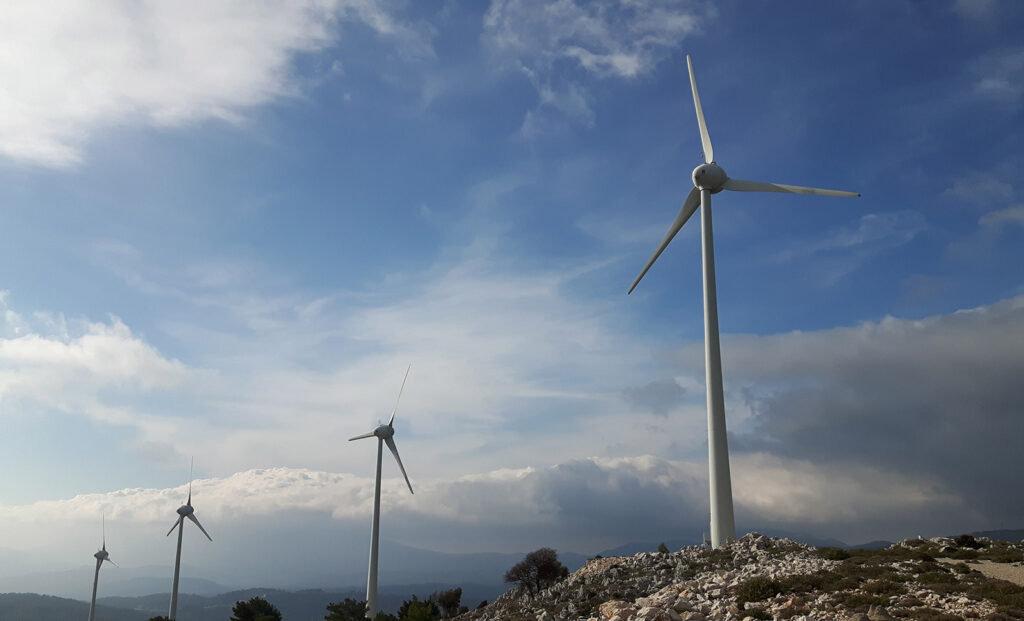
We are among the leaders in wind energy production in the country, with a total installed capacity of 368.40 MW. In more than 10 regional units throughout Greece, we operate 25 wind parks, with a total of 275 wind turbines producing green energy for Greek households.
Our largest project, the Kafireas Wind Cluster, produces 505 GWh annually, covering the energy needs of over 58,000 households per year. Located in South Evia, the Cluster is comprised of 8 wind farms and a total of 73 wind turbine generators, and its operations leads to avoiding 294.2 metric tons of carbon emissions annually.
Closer to energy
Through visits, educational programs and activities, we give young and old the opportunity to get closer to wind energy. More specifically, we implement exploration activities for Scout groups at the "Panagia Soumela" and "Zoodochos Pigi" Wind Farms, as well as organized hikes for nature lovers on paths that pass through our plants. In addition, throughout the year, as part of the recognized "Energy on the Go" program, we organize educational visits for students, who are guided by wind turbines and learn how energy is produced by the wind. At the same time, we develop partnerships with bodies such as the Fire Service, implementing joint safety exercises, such as evacuations from wind turbines, and enhancing readiness and transparency in our operations.
As part of the operation of our wind farms, we implement initiatives aimed at developing and creating value for local communities. In Kafireas, we completed a landmark project for future generations: the reforestation of 660 acres in Kastanologgos, a primeval forest of wild chestnut, reborn after 150 years, thanks to our intervention. Continuing our actions for the protection of the biodiversity of the area, we have contributed to the registration of the local flower honey "Kissouri Honey" as a Protected Designation of Origin (PDO) by the European Commission.
Global Momentum: The Wind Is Getting Stronger
Total global installed capacity exceeded 1.1 TW in the first quarter of 2025, confirming that wind energy is no longer an alternative, but a key pillar of the energy mix. In Greece, according to recent data from the Hellenic Wind Energy Association (HWEA) and the European Wind Energy Association, installed wind capacity in the country exceeded 5.3 GW in early 2025, covering around 22% of net domestic electricity generation in 2024. In fact, total wind capacity is expected to exceed 6.5 GW within the next two years, seeking to achieve the targets of the National Energy and Climate Plan (NECP) for 2030.
Wind, along with other renewable energy sources, is a driving force for a more sustainable, more humane future, in harmony with the natural environment. At the heart of this transition, we are leveraging advanced technologies and innovative practices, with the aim of reducing the cost of producing clean energy and drastically reducing carbon dioxide emissions. In this way, we actively contribute to an energy model that respects the planet and future generations.



8 January 2025
2024: A year of milestones for Principia
We present the Annual Review for 2024, a year that marked a new beginning and a new corporate identity for our company
2024 was a landmark year for our company, as we launched our new corporate identity, while we also relocated to our new corporate hub, in Maroussi. At the same time, with an installed capacity that now reaches 577 MW, through 67 renewable energy projects, we contribute decisively to the country's decarbonization and the green transition.
Landmark project for the energy transition
In the past year, Principia's new project, the "Perasma" solar cluster, was electrified and began operation. The cluster consists of 8 projects in Western Macedonia, near the village of Mavrodendri in the Municipality of Kozani, with the plants adding a total of 95 MW to the installed capacity of our company. Our total capacity exceeded 577 MW, producing electricity of 1,140 GWh, and providing green electricity to around 320,000 households.
We completed another year with zero accidents, continuing our excellent results in the field of Health and Safety, for which we received a gold honorary distinction at the Health & Safety Awards 2024. At the same time, as part of our business activity, we continued the training of our employees with a total of 7,448 hours of training, while we organized 6 workshops on different topics, exploring the relationship between wellbeing and work-life balance, but also learning more about the UN Sustainable Development Goals.
Social footprint with substantial contribution
For yet another year, our contribution to the local communities of the areas where we operate, throughout Greece, has been a central pillar of our action. Through a total of 36 initiatives, we supported 21 Institutions & Bodies, strengthened our continuous interaction with local communities and proved in practice our commitment to sustainable development.
In 2024, through the corporate volunteering program "Be The Hero", we carried out 10 volunteer actions, of environmental and social impact, such as the "Community Week" organized for International Volunteer Day in December. In total, our employees contributed 10,030 volunteer hours, while they also participated in the "Energy On The Go" program, training 757 children and young people in green energy. Finally, we recycled 12.5 tons of paper, electrical equipment and industrial waste, in order to contribute to the effort for a sustainable tomorrow and a greener planet.
Our social actions, our initiatives for our employees and our commitment to a safe working environment were recognized with honorary distinctions for their innovation and impact: in 2024, we received 6 Awards for our activities.
Looking to the future
We continue to work systematically for the development of green energy in Greece, expanding our activities to new technologies and offering high quality innovative solutions that meet modern needs. At the same time, we remain committed to actively supporting local communities through initiatives that enhance growth, employment and improve quality of life. Driven by innovation, sustainability and social responsibility, we continue to evolve, helping to create a better and more sustainable future for all.
31 October 2024
RES: One way to energy transition
"Green" initiatives and important projects that change the country's energy landscape
In the midst of the energy crisis as well as the significant geopolitical turbulence in Europe, the decarbonization of the energy mix is a one-way street for Greece and the European Union. The effects of the crisis we are experiencing are already visible, bringing unbearable price increases and painful consequences for households, industries and the growth prospects of the economy.
For this reason, the transition process to indigenous renewable energy sources needs to be accelerated. In the above landscape, our country has the opportunity to exploit its comparative advantages. With the sun and wind in abundance, Greece has the opportunity to become energy independent and forge its own path in the use of RES, setting an example for the whole of Europe.
A greener future
In compliance with the UN Sustainable Development Goals, we facilitate the smooth energy transition of businesses to a zero-emission economy, utilizing RES. At the same time, we offer reliable, competitive, customized energy solutions from RES, helping companies to exploit business opportunities and draw financial resources from European funds.
The availability of RES and their price is not affected by geopolitical tensions or other exogenous factors and their penetration into the energy mix is increasing. In addition, thanks to reduced technology costs and increased demand due to decarbonisation, over the next 10 years, 70% of new installed capacity will come exclusively from wind and solar parks; By 2050, 50% of electricity will be generated from wind and solar power.
Sustainable development with targeted initiatives
At Principia, we invest in the sustainable development of local communities and economies, with absolute respect for the environment. Committed to our commitment to create mutual value with local communities, we promote innovative partnerships, the cultivation of relationships of trust and honest dialogue with the residents of the areas where we operate, actively supporting their transition to cleaner forms of energy, for a cleaner future and greener.
We implement, throughout Greece, actions for the sustainable development of local communities, aiming at creating mutual value. Individual actions throughout the country range from extensive reforestation and development of alternative forms of tourism to modern educational programs and support for communities and local producers.
Improving grid usage and production through new technologies
How adequate and stable will the grid be exclusively with RES? Hybridization, i.e. the combination of different technologies, is an important solution for achieving safe and stable integration of RES into the energy mix, increasing the reliability of the system. Through hybridization, grid use is optimised as the utilisation rate increases, the stochasticity of renewables decreases, and consequently projects can be controlled and allocated accordingly.
In the midst of the energy crisis that Greece and Europe are experiencing, the production of energy from RES is a one-way street for businesses. Utilizing the know-how, innovation, extensive experience, but also the scientific and technological training of our people, we prove that RES can be a key component of the country's and the planet's energy mix, ensuring sustainable development and a smooth energy transition for local communities and businesses.

23 October 2024
The Importance of SDGs: Making Our World A Better Place
The United Nations Sustainable Development Goals (SDGs) are a universal blueprint aiming to address global challenges by 2030
The 24th of October has been declared as UN Day, celebrating the establishment of the United Nations after the end of World War II, in 1945, in order to find solutions to global issues. In 2015, all member states adopted the Sustainable Development Goals, an action plan comprising 17 goals and 169 targets.
The Goals cover a wide range of issues, from poverty eradication and climate action to peace and justice. Their importance lies not only in their global scope but also in their ability to foster collaboration, sustainability, and social equity, ultimately making the world a better place for current and future generations.
Eradicating Inequality, Protecting the Planet
The SDGs are unique in their approach, as they recognize the interconnectedness of various global issues, with a the commitment to leave no one behind. The first goal, to eradicate extreme poverty, directly addresses the plight of billions of people who struggle to meet their basic needs. Additionally, the SDGs emphasize the need to reduce inequality both within and between countries (Goal 10) and promote environmental sustainability, particularly through Goal 13 (Climate Action), Goal 14 (Life Below Water), and Goal 15 (Life on Land). With climate change and environmental degradation threatening the health of the planet, these goals urge nations to take action to preserve ecosystems, reduce carbon emissions, and protect biodiversity.
Goals 16 and 17 focus on peace, justice, and building effective institutions. A stable and just society is essential for creating an environment in which other SDGs can thrive. This includes making governance more effective, reducing corruption, ensuring equal access to justice, and promoting human rights. Additionally, the interconnected nature of the goals requires cooperative efforts across sectors and borders. By aligning policies, funding, and initiatives around the SDGs, countries can achieve greater impact and efficiency.
Aligned with the world of renewables
The SDGs are pivotal in shaping global efforts to create a more sustainable, equitable world, and therefore directly intersect with the world of renewable energy.
Climate Action (SDG 13) is perhaps the most directly linked to renewable energy. As global carbon emissions from fossil fuels contribute to climate change, transitioning to cleaner energy sources like solar, wind, and hydropower is essential. Renewables also directly support Affordable and Clean Energy (SDG 7), helping meet the rising demand for energy by decreasing dependence on traditional fossil fuels. Additionally, renewables play a role in Decent Work and Economic Growth (SDG 8). The expansion of the renewable energy sector creates millions of jobs in manufacturing, installation, and maintenance, providing economic opportunities in both developed and developing countries.
The path to the future
All the initiatives of social interest that we implement in the framework of CSV (Creating Shared Value) are fully in line with the 17 Sustainable Development Goals. In order to disseminate and help achieve the SDGs, we regularly organize internal sessions, wherein we present and discuss the Goals and how they can positively impact our society.
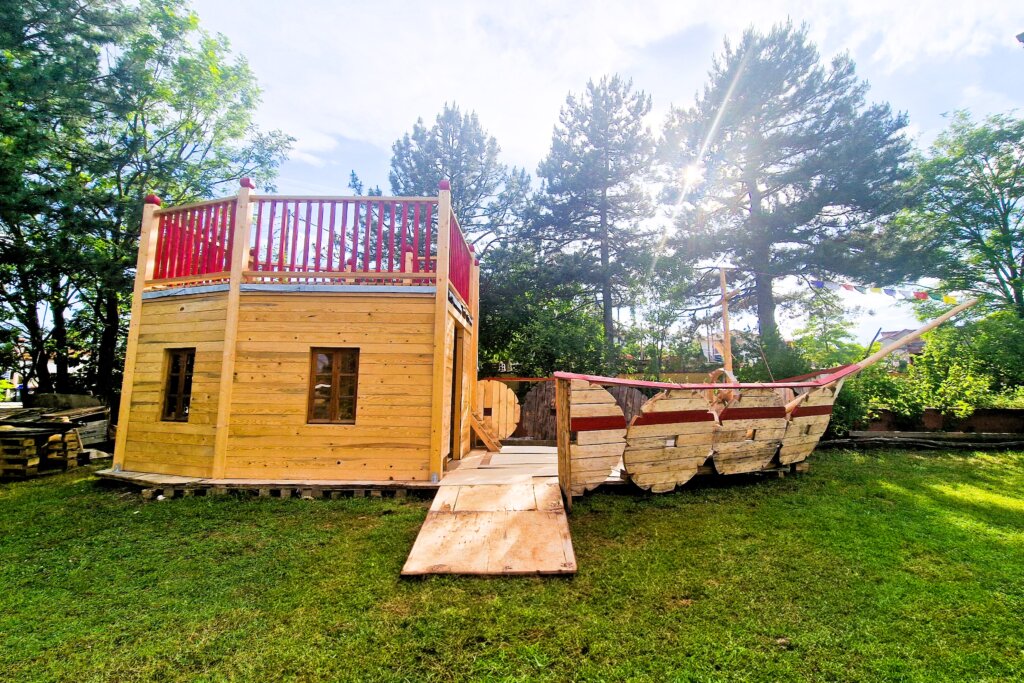
At the same time, we organize activities that benefit local communities in areas where we operate, but also respond with sustainable solutions to problems that arise. These include the completion with the participation of more than 700 young people of the educational program "Energy On The Go" approved by the Ministry of Education (SDG 4), the construction of a wooden playground for children with disabilities in Kozani (SDG 4,10,11), the reuse of old merchandising materials in the context of our rebranding in collaboration with Fabric Republic (SDGs 1, 13), our cooperation with the Fire (SDG 15, 17) and the voluntary cleaning of areas of Attica (SDG 15, 17).
The SDGs offer an actionable framework for addressing our society’s most pressing issues. Their emphasis on sustainability, equity, and cooperation makes them essential in driving meaningful progress. While the path to achieving all 17 goals may be challenging, the SDGs provide a roadmap for governments, businesses, and individuals to work together towards a fairer, healthier, and more sustainable world.

16 October 2024
Circular Economy: Laying the foundations for a more sustainable future
How we act on circular economy principles to develop community projects and create a more sustainable future for all
In addition to our activity based on renewable natural resources, we believe that additional, small and larger, actions based on the principles of sustainable development, and especially circular economy, have the potential to change the world, one step at a time.
In contrast to the linear model of "produce – use – dispose of", the circular economy focuses on reuse, repair and recycling. The narrow boundaries of beginning and end are lost and a plethora of things can be transformed from "waste" into valuable material for recreation.
Global research has shown that moving to the circular economy model can bring great benefits. For example, according to a report by McKinsey & Company, this model could generate a net economic benefit of €1.8 trillion by 2030. At the same time, the European Parliament has said in a report that the circular economy could create 700,000 jobs in the EU alone by 2030.
With a deep commitment to sustainable development, we embrace the principles of the circular economy and turn them into action, paving a bright path for a future full of hope.
Actions with a substantial impact
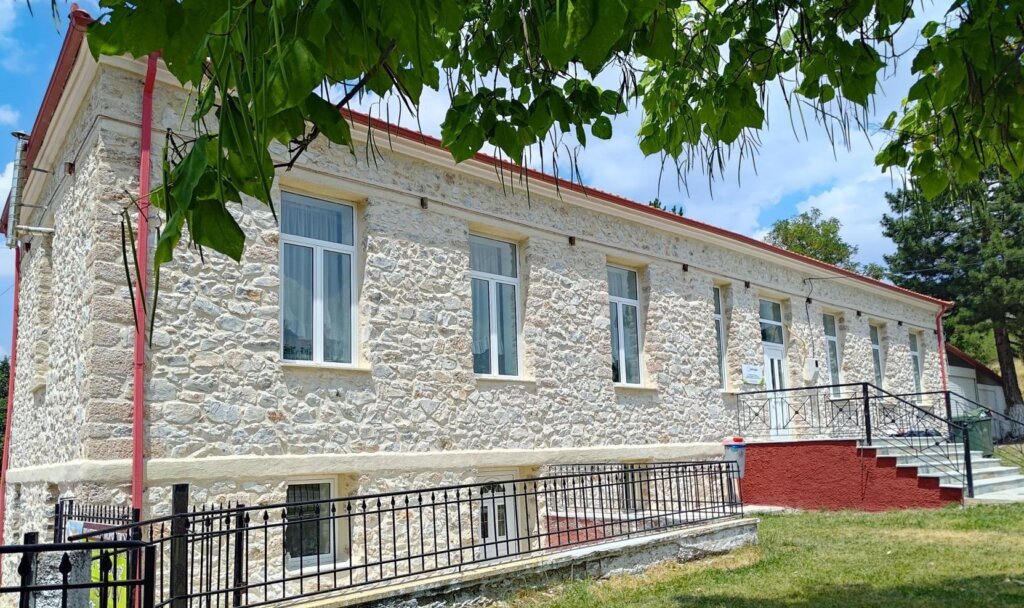
In Sidera, Kozani, history meets the future. Principia's restoration of the old school in the local village is a shining example of circular economy. Instead of demolishing the old building and constructing a new one instead, the company chose to breathe new life into the building, turning it into a vibrant cultural center for the region. The renovation, which was done with respect to the traditional architecture and used bioclimatic materials, received a warm response from the villagers.
At the same time, in Kozani, the circular economy puts children's imagination into practice. "Kivotos", an original wooden playground created for the Recovery and Rehabilitation Center "Kivotos", combines circular economy with respect for diversity. Wooden pallets and cables from the construction of the photovoltaic park "Perasma" were transformed into a magical play area, which can receive dozens of children at the same time. In fact, The area is covered and suitable for wheelchairs, in order for every child to have free access to the game.
In Evros and the wind farm "Soros", circular economy comes to complement the values of personal well-being and environmental protection. In 2021, out of 13 medium voltage wooden pylons that had been damaged by natural phenomena, we created a recreational kiosk inside our wind farm. This project, in fact, had a positive effect as the older similar recreation spots had been destroyed in recent years. There, visitors and hikers can take a break and enjoy the wonderful view. At the same time, the spot can be used for fire protection purposes in the wider area.
Our commitment to the reduction of our environmental footprint is also reflected in our initiative to give new life to merchandising items from the old branding of the company. In collaboration with Fabric Republic, these items were turned into modern accessories, which were offered for sale in bazaars in favor of the Chatzipaterio Foundation. This action proves that circular economy can be harmoniously combined with social contribution.
Looking to the future with optimism
With inspiration and boldness, we prove that the transition to a circular economy is not just a choice, but an obligation towards future generations. With every action, we come one step closer to the dream of a world where the harmonious coexistence of man and nature will be a reality.



8 October 2024
A road trip dedicated to sustainability and solidarity
As part of our sustainability actions and the creation of shared value with local communities, we present an innovative sustainability road trip that takes us all over Greece.
Ever since 2008, we have been making a decisive contribution to the sustainable development and prosperity of the regions where we operate. Over the years, our activities in more than 20 different geographical areas have addressed local needs through dozens of sustainable and resilient social solidarity projects.
Our people have created mutually beneficial relationships with local organizations and communities, from Achaia to Kozani and South Evia to Crete. And, as we celebrate 15 years of business activity in Greece, we have created a special green road trip which presents some of these programs. This short film chronicles our substantial social contribution through sustainable initiatives.
First stop at the “Lithos” wind park in Kalavryta
The trip started at the “Lithos” wind park in Kalavryta. The park is located at an altitude of 1600 meters. It was here, in 2021, that we co-organized the 43rd “Thysias” bike race, whose route passed by the wind park. In this way, the local community became more familiar with the project, as well as with the benefits for the area. Since then, we have continued to support the Hellenic Cycling Federation. Its President, Vassilis Diamantopoulos, says: “We collaborated because we have common goals: the reduction of air pollution and the improvement of the green environmental footprint. It was the largest ever turnout for this event with more than 400 people taking part. This was unprecedented for Greece, and we are delighted to be working with the company.”
The journey continues at the “Vamvakies” photovoltaic park in Kozani
The next stop on our trip was Kozani in Western Macedonia, home of the “Vamvakies” solar park. Here, in collaboration with Wise Greece, CluBE (the Cluster of Bioeconomy and Environment of Western Macedonia) and the Municipality of Kozani, we set up the award-winning “Vamvakies, a green social project.” This is an educational program which aims to promote agri-food entrepreneurship. Through this project, 250 young people were given training, while a group of women are already active in an agrivoltaic project at the park. They are planting aromatic herbs in order to supply Europe’s first agricultural products from a photovoltaic park. Furthermore, we are actively supporting the local community through continuous initiatives in the village of Polymylos. Spyros Avramidis, the President of the Polymylos Community, says: “We were lucky to have such a company support us. During the Covid-19 pandemic, it offered technology equipment to primary schoolchildren to enable them to attend their classes remotely and, in consultation with the village doctor, it donated equipment to the Local Health Centre, thereby assisting locals who cannot be taken to a hospital.”
Next stop: the wind farms in Heraklion, Crete
Our trip continued in Heraklion in Crete. Here, for several years now we have, alongside the operation of our projects, been undertaking initiatives for the local community and the protection of migrant birds of prey. One initiative is being implemented at the Kouloukonas and Agios Kyrillos wind parks, which are located at an altitude of more than 1000 meters: in collaboration with the Natural History Museum and the University of Crete, bird flights are being studied. Based on those studies, bird feeders were placed at specific points in the surrounding mountains, on routes far from the wind parks. The birds can thus head for the feeders on cloudy days to get food and continue their journey. Michalis Probonas, Head of the Ecology Laboratory of the University of Crete, says that “Our collaboration started many years ago through bird monitoring programs related to its power plants in Crete. We have been operating and monitoring bird feeders in Crete since 2019. During this time, some 12 tons of food have been placed in the feeders, in order to support the bird populations.”
Our final destination: Kafireas in South Evia
Our road trip concluded in South Evia, specifically, Karystos. This is home to Kafireas, the largest cluster of wind parks in Greece. Since the beginning of the park’s construction, we have worked alongside the local community, by supporting associations in the area. Initiatives include the reforestation of the historical forest of Kastanologgos. Its size has decreased by 40% and it could be lost entirely in a few years. With total funding of €2m, we aim to reverse its decline by taking action in 240 acres of existing forest and planting new trees on the surrounding 400 acres. The project will therefore bring new life to 640 acres, an area roughly equivalent to 90 soccer pitches. At the same time, we support “Anemos” Cycling Club and the “Heri-Heri” Association for the Protection of People with Disabilities. The President of the “Anemos” Cycling Club, Gerasimos Lykoudis, says: “Recently we held an event exclusively for young children, featuring all the games we remember from our childhood.” George Pantelis, the Secretary of the “Heri-Heri” Association, added that “the van donated by the company serves all the Association’s needs, such as the transportation of People with Disabilities, outdoor activities and any other transportation requirements.”
In order to promote the principles of solidarity, generosity and social contribution, we enable a sustainable development model that fosters relationships of trust with the residents of the areas where we operate while supporting the transition to clean forms of energy. Our Creating Shared Value - CSV initiatives are fully aligned with the 17 UN Sustainable Development Goals.
3 October 2024
How the energy transition is creating new career opportunities
The acceleration of the transition to green and sustainable energy has brought about a new era for the sector throughout Europe. At the same time, this requires a new development model will inevitably change the future of the workforce.
In essence, the energy transition is a modern "industrial revolution" as it creates a new type of professional, with new skills requirements. At the same time, it imposes a drastic change of perspective in terms of what constitutes a good working environment, in full harmony with the values of sustainability, transparency and governance that have been adopted worldwide.
According to the annual report by the International Renewable Energy Agency (IRENA) and the UN’s International Labour Organization, in 2023 alone, 2,500,000 new jobs were added globally in the field of Renewable Energy Sources (RES), with overall employment in the sector reaching 16.2 million, out of which 1.8 million in the European Union. It is also estimated that the RES sector will provide 38 million jobs by 2030, and when we include all those related to the energy transition, the total comes to about 74 million.
New skills for young professionals
As trends show, young talent is moving more and more towards RES. It is worth noting that in the US, the number of renewable sector jobs offered on the LinkedIn platform has increased by 237% in the last five years.
In this new era, businesses and the educational community must work together strategically to develop programs that will fill skills gaps and respond to the demands of the new green era. Despite the established trend, there is a discrepancy between supply and demand in work skills. As in any such transition, the skills of the "old world” must be transformed and new ones must be created by building on established foundations. After all, a just transition means leaving no one behind.
Leading the energy transition
At Principia, every day we endeavor to upgrade the skills of our employees, by investing not only in innovative solutions but also in training for all generations. Furthermore, the green transition goes beyond the operational aspect of business. We are therefore trying to build a corporate culture that promotes sustainability, has a positive impact on society, and highlights the values of inclusion, diversity and respect.
The issue of equality is also addressed by supporting and promoting women in fields that have been historically dominated by men, such as engineering. We also actively encourage female students at high school to study STEM (Science, Technology, Engineering and Math) subjects through mentoring programs and visits to schools by women at our company who act as role models. At the same time, we place the wellbeing of our employees at the center of our initiatives, thereby showing our commitment to their work-life balance.
As the energy sector grows, offering new career opportunities to young professionals, we ensure that our working environment is sound and modern, in harmony with the principles of inclusion and equality. In this way, we are continuing to adapt to the challenges of our times. We are playing a leading role in the transition that will create a more sustainable, greener tomorrow.
18 September 2024
Smart Glasses: Innovation at the service of Renewable Energy Sources
On the road to the green transition, technology, digitalization and innovation contribute decisively to the maintenance and operation of RES projects
The maintenance of wind and solar parks presents significant challenges, as they are large-scale projects located in remote, and often not easily accessible, areas. That's why we implement innovative solutions in the control and maintenance process of our parks, which ensure their proper operation.
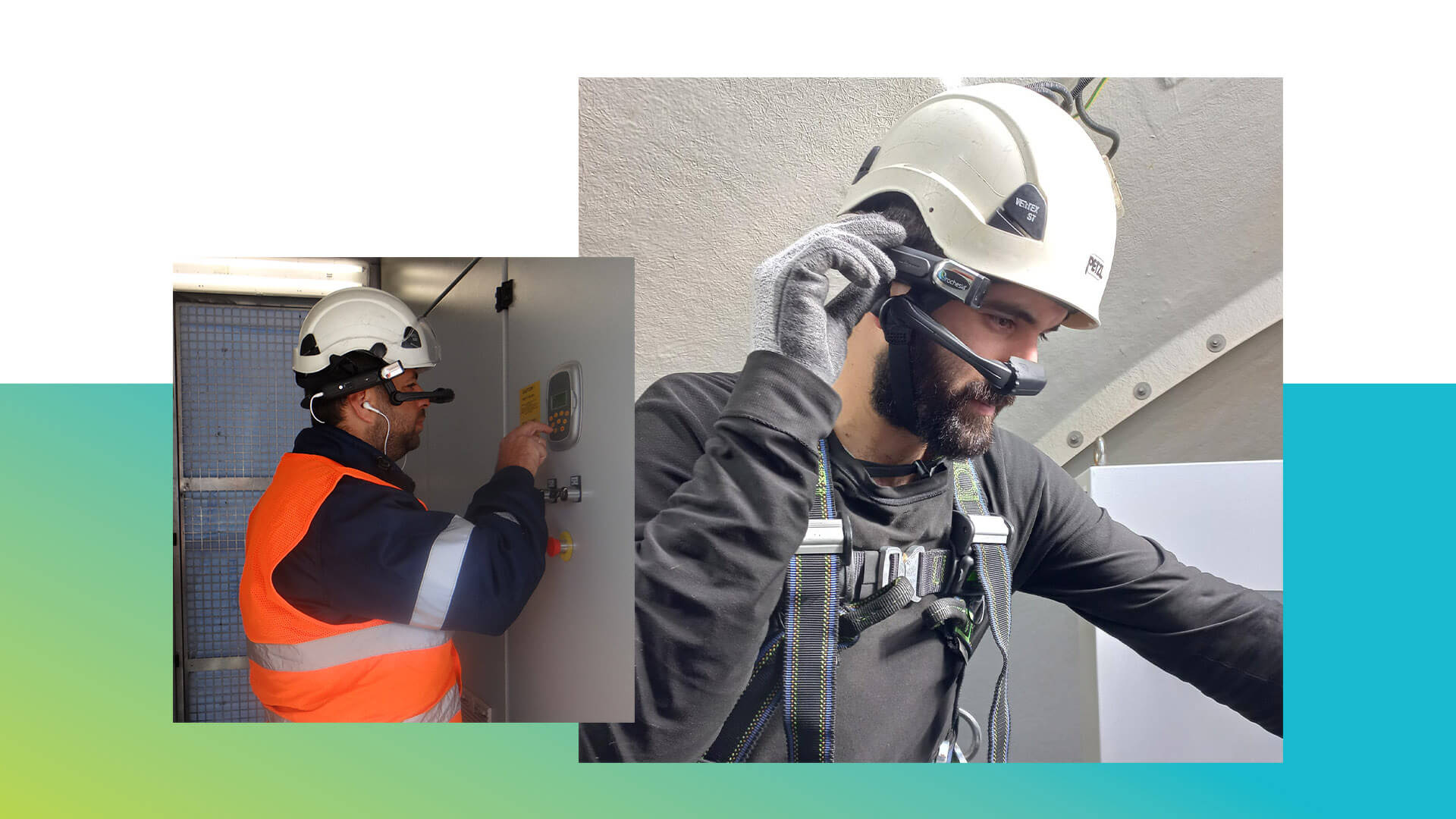
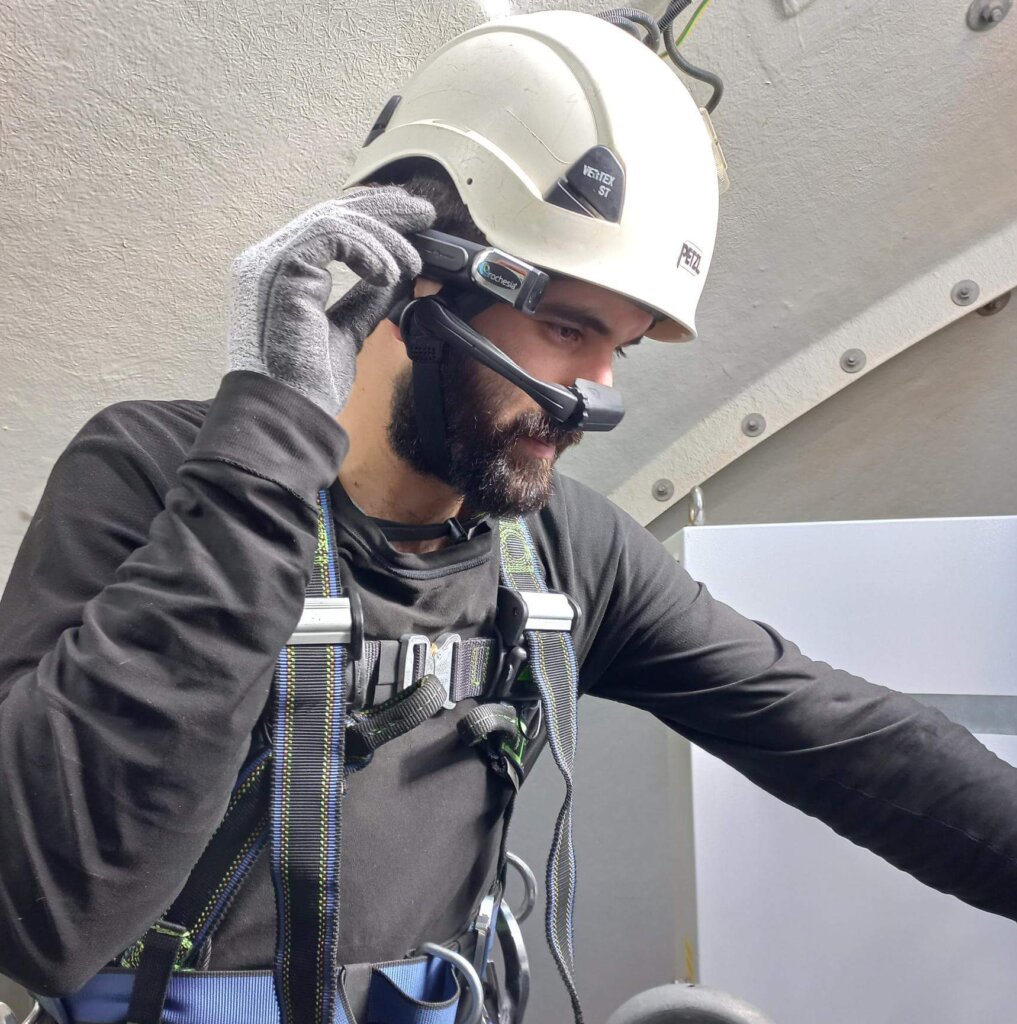
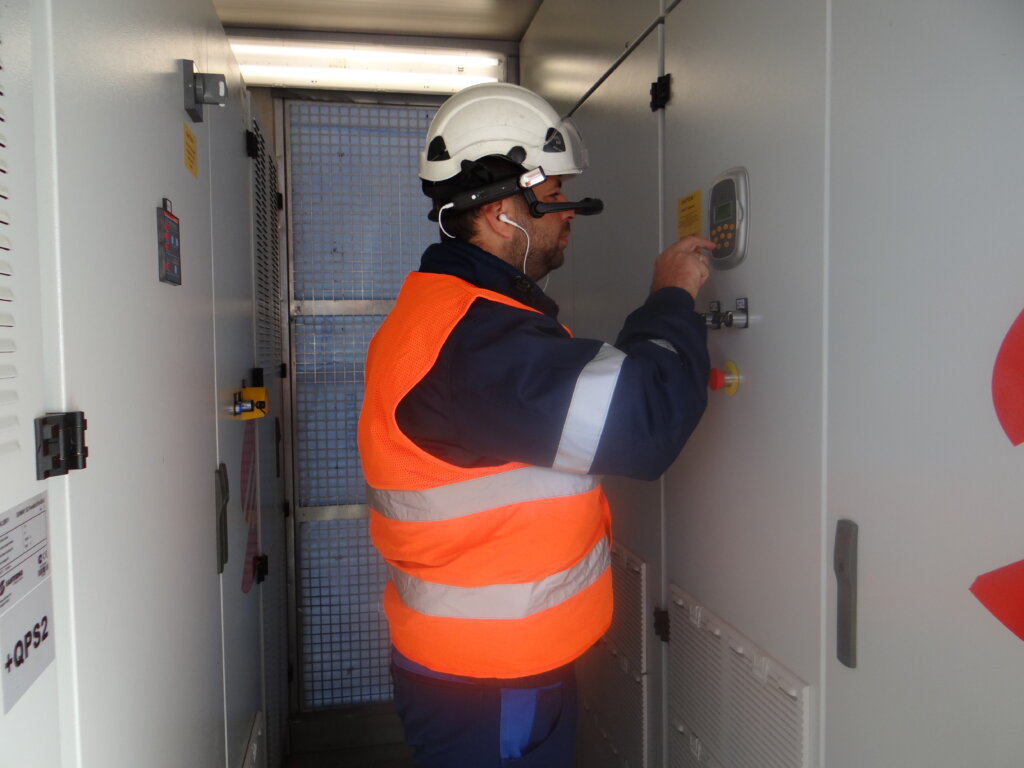
One of the technological innovations we use is smart glasses, a tool equipped with augmented reality, integrating real-time data and enabling hands-free communication. These devices allow technicians to perform diagnostics, make use of remote technical support and improve project performance.
Facing challenges quickly
In both solar and wind projects, rapid and accurate detection of a fault is very important to minimize downtime and maximize energy production.
For example, in a wind project, smart glasses can help technicians identify mechanical problems in wind turbines, such as blade wear or gearbox problems, using sensor data and thermal imaging. At the same time, smart glasses allow technicians to remotely collaborate with experts from any location, significantly improving response times and enabling faster damage repair.
Improving safety and efficacy
Smart glasses can also help technical personnel carry out maintenance work, supporting safety conditions. For example, smart glasses can display warnings about voltage, weather conditions, or any operational hazards in real time, helping technicians make appropriate decisions and avoid dangerous situations. In wind projects, where technicians often work at height, real-time communication and access to safety protocols through smart glasses enhance overall safety.
Remote management of projects
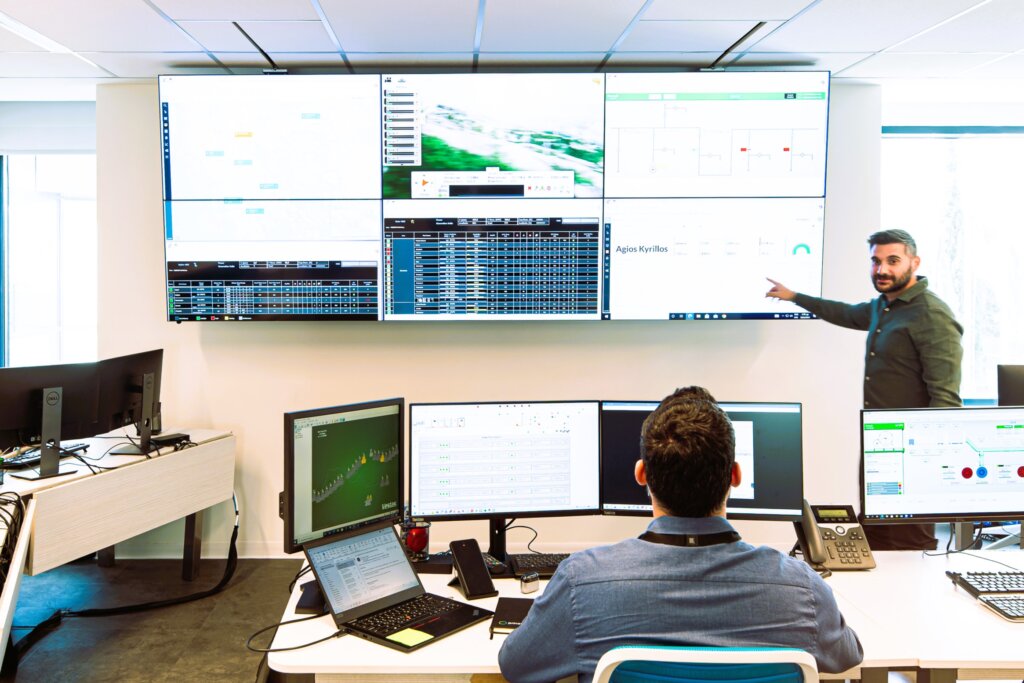
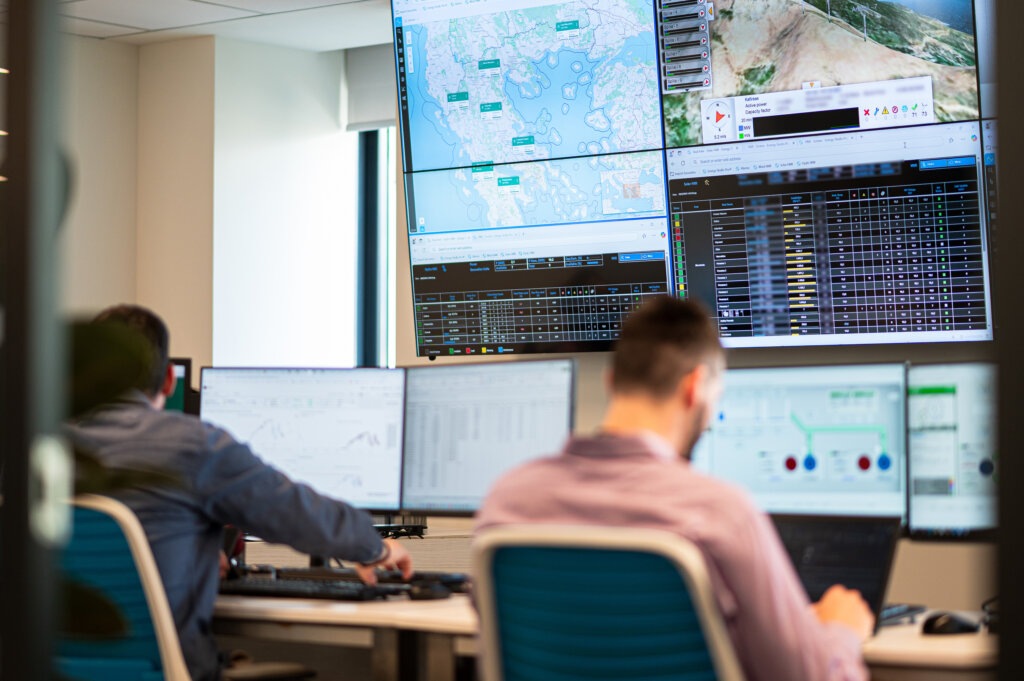
We use technological innovations that facilitate the supervision of our projects and ensure their proper operation. Besides, we have the most innovative and state-of-the-art Control & Monitoring Room in the RES sector in Greece, which enables monitoring and remote management of our projects.
Through the Control & Monitoring Room, our engineers and experienced data analysts can remotely control projects as well as identify and restore immediately and in real time any damage that may occur, 24 hours a day and 365 days a year.

7 August 2024
Αristos: Innovation opens new paths in solar plants
Modernizing our activities with the use of technological innovation and robotics, we created the first automated robotic system for grass cutting in our plants
Grass cutting is a key activity of the operation of a solar park. Regular maintenance of vegetation around the panels ensures seamless collection of solar rays, prevents problems such as shading, which affect the efficiency of the project, and creates a major firefighting zone. Special methods, such as the use of sheep for grazing, can enhance sustainability and reduce carbon emissions associated with traditional cutting methods.
Recognizing the need for grass cutting automation in our solar parks throughout Greece, we decided to develop an innovative tool, in collaboration with the digital transformation company iKnowHow. So, we worked on creating an automated, robotic system that could, with full autonomy, mow the grasses and small bushes in the area of the solar park. Finally, we designed the robot Aristos, which started its operation in the parks of Larissa and Ekta.
Facing the challenges
It was the first time that a company that produces energy from renewable sources implemented such an innovative project, as the program was not only for research purposes but aimed to meet a real need for operational procedures. During the research, we conducted several tests to perfect the operation of the robot and make sure that it will be reliable and flexible at the same time, so that it can move comfortably under the panels.
The final model Aristos, already in operation, measures 1.20x1.50 meters and weighs 200 kg. Our goal is to ensure the efficiency of the tool, which can pave the way for the development of even more robotic solutions for renewable energy parks, as the possibilities of technology are endless.
Multiple benefits
This initiative is of key importance for our company, as the use of robotics leads to a reduction in the cost of continuous grass cutting required for the proper operation of solar parks. At the same time, this venture is an essential step to utilize our experience in solar maintenance, transforming it into a prototype tool for the international market of wide use.
Finally, it paves the way for the further development of this robot, incorporating other functions that can reduce the operating costs of parks and optimize their performance. After all, our mission is to accelerate the energy transition with innovative solutions, pioneering a better future.


15 June 2024
With the power of wind
On June 15 every year, we celebrate Global Wind Day, which brings us closer to accelerating the energy transition.
At Principia, we are among the leaders of wind energy production with an installed capacity in Greece which reaches a total of 368.60 MW.
The pinnacle of production is the model wind cluster Kafireas in South Evia, one of the largest wind farms in the country with a total capacity of 167.9 MW. It includes 8 wind farms with 73 wind turbines and will be able to produce about 505GWh per year, reducing CO2 emissions to the atmosphere by 294.2 metric tons per year.
Global Wind Day was established by the European Wind Energy Association (EWEA) and the Global Wind Energy Council (GWEC), in an effort to raise awareness and inform society about the benefits for the environment and the sustainability of the planet from the use of Wind Energy and the need to ensure air quality.
Initiatives towards local communities
Starting with our wind farms throughout Greece, we are supporting to the local communities where we operate. Recently, with our decisive contribution and after 5 years of procedures, the Commission registered the Greek flower honey "Kissouri Honey" produced in South Evia, as a Protected Designation of Origin (PDO), while in Northern Greece we have created our first circular economy project, constructing from old pillars a fully equipped space for the recreation of hikers and visitors, which, at the same time, acts as a useful observation point in the context of fire protection.
However, our social contribution continues, supporting the work of the Authorities, Bodies and Associations. Namely, in our wind farm Monastiri 2 in Rodopi we hosted a wind turbine evacuation exercise at a height of 65 meters, in which members of our company's Operation & Maintenance team, executives of the 4th Special Disaster Response Unit and the local police participated. In 2023, on the occasion of Global Wind Day, we organized two special sports activities that combined physical exercise, mental well-being, information about wind energy and acquaintance with the natural environment near our wind farms, in South Evia and Evros. In 2021 2021, we co-organized the 43rd cycling tour "Sacrifice", whose route passed next to the wind farm Lithos in Kalavryta.
At the same time, throughout the year, our wind farms throughout Greece are open to welcoming students who are informed and trained on the principles of sustainable development, circular economy, innovation and the utilization of Renewable Energy Sources.
Protecting biodiversity
In Heraklion, Crete, in parallel with the operation of our projects, we undertake initiatives for the protection of birds of prey passing through the area. Such an action is implemented in the wind farms of Kouloukonas and Agios Kyrillos located at an altitude of more than 1000m. There, in collaboration with the Natural History Museum and the University of Crete we studied the flights of birds. Based on the results, we placed feeders at specific points in the surrounding mountains, on routes away from the wind farms of the area. Therefore, on days with thick clouds, the birds head to the feeders and continue their journey.
The global road to wind energy
According to statistics released by the World Wind Energy Association (WWEA), the power to produce electricity from wind farms installed around the world exceeds 1000 GW, while finally it is worth noting that the operation of a wind farm with a capacity of 10 MW can supply electricity to more than 7,000 households and save the consumption of about 7,000 tons of oil.
Also, with the aim of achieving a transition away from fossil fuels, the European Commission presented REPowerEU, whose main pillars are diversifying energy supply, saving energy and accelerating the energy transition. Renewables are at the forefront of the effort to achieve energy independence, as the plan proposes their massive scaling up and acceleration in energy production, industry, transport and buildings. REPowerEU sets the new European binding 2030 renewable energy target at 45%, while significantly increasing renewable energy targets in the transport and industrial sectors. In order to meet the REPowerEU targets, the projected installed wind power capacity by 2030 will need to reach 510 GW (compared to 189 GW in 2021). Thus, in an indirect way, wind energy can also be used to reduce the environmental footprint of the most energy-intensive sectors.
Wind and other renewable energy sources pave the way for a fully sustainable future, for growth that is more environmentally friendly and on a human scale. We drive sustainable progress in the industry by incorporating the most innovative solutions available, optimizing energy costs and focusing on reducing our carbon footprint to have a friendlier, more sustainable future.


10 April 2024
Τhe most innovative Control & Monitoring Room in the RES sector
With the ability to manage the installed capacity from our plants, our Control Room is one of the largest and most modern of its kind. We proudly present our innovative Control & Monitoring Room, which is a first in the Greek renewables sector.
Our Control & Monitoring Room is located in Athens and is staffed by trained professionals, including specialized engineers and data analysts. Here the control of all critical parameters for the operation of our RES plants in Greece is carried out in real time, as is detection and malfunction repair coordination. The Room literally operates “24/7” (365 days a year, 24 hours a day, 7 days a week), thereby ensuring the smooth operation of the plants and, by extension, the company.
The Control & Monitoring Room’s team can monitor and remotely manage the plants. This means that a large percentage of malfunctions can be solved immediately, with the optimal use of technology. These capabilities are an integral part of the operation of the projects. This is at a time when the modern energy market has introduced new requirements in the coordination between energy production and energy management.
Big Data
At the same time, the system receives more than 300,000 signals. These can refer to: power output, temperatures, sunshine percentage, gusts of wind, etc. All this information is stored in a central database. The annual amount of data is so large that, were it a book, it would be 63 million pages long! The analysis team at our Control Room has big data analytics systems at its disposal and develops algorithms that are constantly running to support the maintenance team. In this way, malfunctions are prevented, and production is optimized.
The journey of our continuous innovation and digital solutions continues. Over the years we have developed infrastructure and equipment, together with the specialization and the know-how of our people. And now we can offer greater automation through the Control & Monitoring Room. As a global leader in the production of green and sustainable energy from renewable sources, we are already laying the groundwork for the future of energy.