Renewables can play a key role in preserving and enhancing our natural heritage, alongside the green transition
Biodiversity, i.e. the set of living organisms, habitats and ecosystems, as well as the interactions that develop between them, is a cornerstone for the functioning of the natural world and human well-being. Pollution, climate change and soil erosion threaten biodiversity, reducing the ability of ecosystems to provide clean water, fertile soil, and natural pest control.
The green transition is a key step towards tackling climate change, reducing carbon dioxide emissions, and ensuring energy autonomy, while at the same time it can contribute to the conservation of biodiversity, through innovative initiatives.
Clean energy, environmental protection
By limiting the use of fossil fuels for energy production, renewables reduce emissions of CO₂ and other gases that exacerbate climate change. This ensures better conditions for sustainable ecosystems and reduces pressure on natural habitats, which indirectly supports biodiversity.
The development of innovative energy storage solutions (BESS), such as our new project in Paliolivada, Halkidiki, enhances the penetration of renewables into the energy mix, utilizing production when it peaks and further reducing the need for the use of polluting plants. As a result, the impact on flora, fauna, and aquatic systems is significantly mitigated, compared to fossil fuel energy production.
Initiatives with a meaningful impact
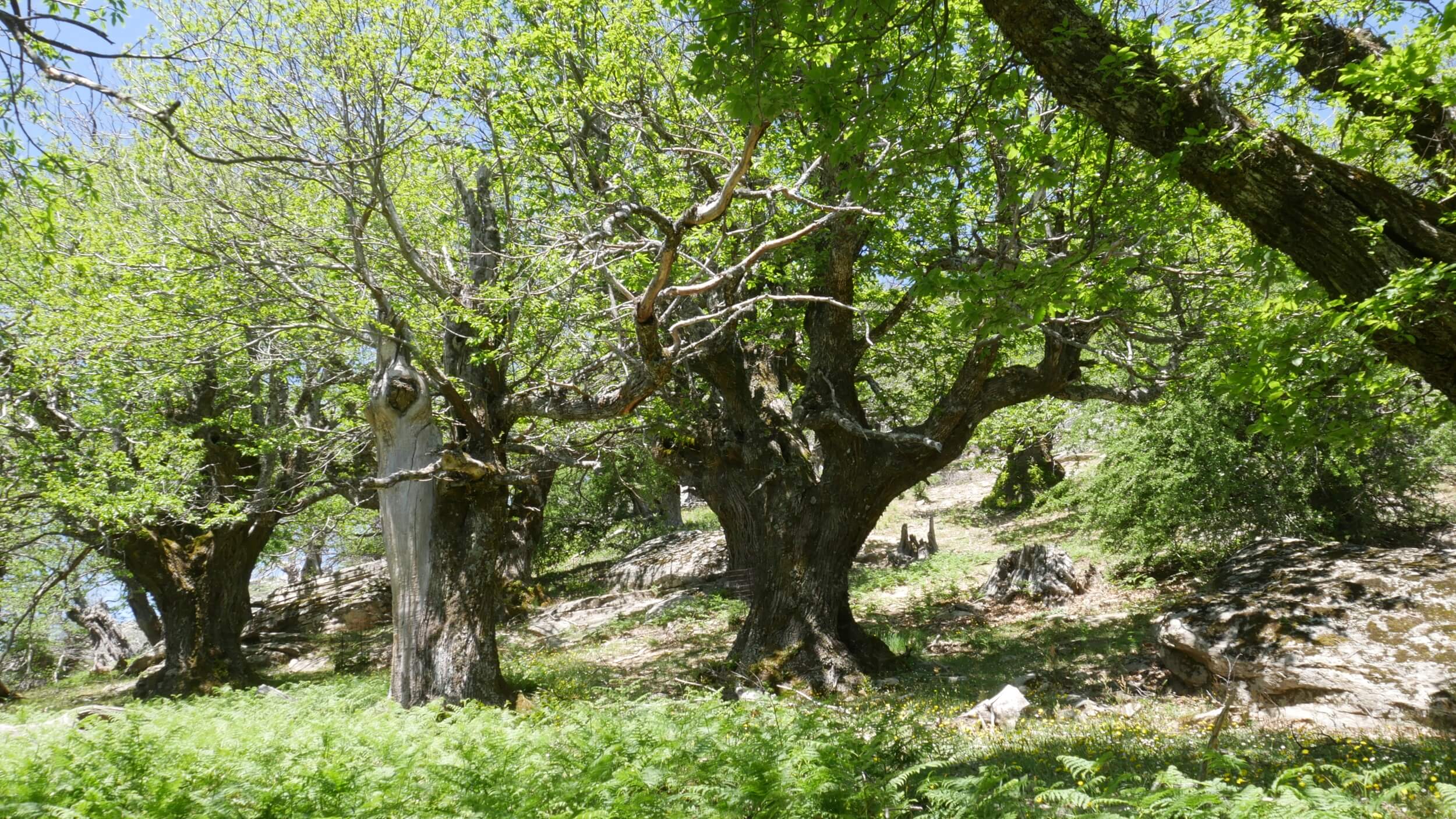
Recognizing the need for environmental sustainability and nature protection, we implement a series of initiatives that expand our green footprint. Through studies and in collaboration with local communities and bodies such as the Forestry Department, we proceed with reforestation that restores degraded forest areas and enhances their long-term ecological value. A typical example is the revitalization of 660 acres of land in Kastanolongos, Evia., where we planted 30,000 new saplings to help restore an ancient wild chestnut forest.
At the same time, in collaboration with the organization "Tyto", we implemented an innovative program to enhance the reproduction of the species of the owl of the same name. In order to limit the damage caused by rodent populations to our photovoltaic projects, we installed artificial nests that will be colonized by the nocturnal predator, which feeds almost exclusively on mice. Our goal was to support the reproduction of the Barn owl while avoiding the use of chemicals or other substances, which would damage the subsoil and the aquifer.
In addition, near our Agios Kyrillos and Kouloukonas Wind Farms in Crete, we have created special feeders for birds of prey, in collaboration with the Natural History Museum of Crete and the University of Crete. By supplying, operating and monitoring the feeding stations, we have helped significantly to strengthen the population of birds of prey that pass through the areas of Asterousia – Kofinas and SE Psiloritis.
Green transition with respect for Nature
The combined approach of biodiversity and renewable energy shows that renewables can play a key role in preserving and enhancing our natural heritage. The transition towards an energy-sustainable future is not just a change in technologies but also an ecological and social challenge, focusing on protecting nature, preserving biodiversity, and building resilient and vibrant local ecosystems.