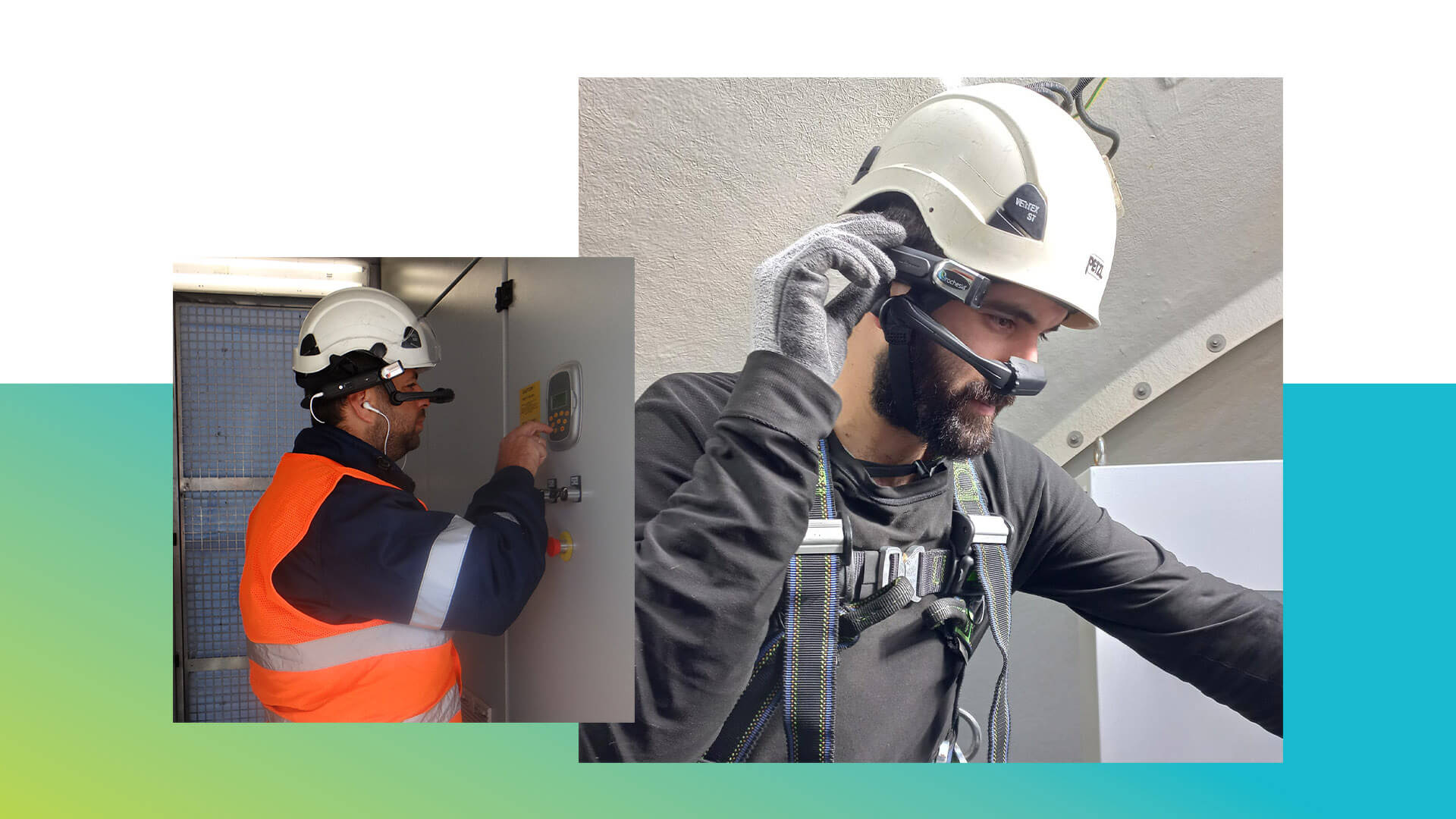
The acceleration of the transition to green and sustainable energy has brought about a new era for the sector throughout Europe. At the same time, this requires a new development model will inevitably change the future of the workforce.
In essence, the energy transition is a modern "industrial revolution" as it creates a new type of professional, with new skills requirements. At the same time, it imposes a drastic change of perspective in terms of what constitutes a good working environment, in full harmony with the values of sustainability, transparency and governance that have been adopted worldwide.
According to the annual report by the International Renewable Energy Agency (IRENA) and the UN’s International Labour Organization, in 2023 alone, 2,500,000 new jobs were added globally in the field of Renewable Energy Sources (RES), with overall employment in the sector reaching 16.2 million, out of which 1.8 million in the European Union. It is also estimated that the RES sector will provide 38 million jobs by 2030, and when we include all those related to the energy transition, the total comes to about 74 million.
New skills for young professionals
As trends show, young talent is moving more and more towards RES. It is worth noting that in the US, the number of renewable sector jobs offered on the LinkedIn platform has increased by 237% in the last five years.
In this new era, businesses and the educational community must work together strategically to develop programs that will fill skills gaps and respond to the demands of the new green era. Despite the established trend, there is a discrepancy between supply and demand in work skills. As in any such transition, the skills of the "old world” must be transformed and new ones must be created by building on established foundations. After all, a just transition means leaving no one behind.
Leading the energy transition
At Principia, every day we endeavor to upgrade the skills of our employees, by investing not only in innovative solutions but also in training for all generations. Furthermore, the green transition goes beyond the operational aspect of business. We are therefore trying to build a corporate culture that promotes sustainability, has a positive impact on society, and highlights the values of inclusion, diversity and respect.
The issue of equality is also addressed by supporting and promoting women in fields that have been historically dominated by men, such as engineering. We also actively encourage female students at high school to study STEM (Science, Technology, Engineering and Math) subjects through mentoring programs and visits to schools by women at our company who act as role models. At the same time, we place the wellbeing of our employees at the center of our initiatives, thereby showing our commitment to their work-life balance.
As the energy sector grows, offering new career opportunities to young professionals, we ensure that our working environment is sound and modern, in harmony with the principles of inclusion and equality. In this way, we are continuing to adapt to the challenges of our times. We are playing a leading role in the transition that will create a more sustainable, greener tomorrow.