We continue the series of SDG Sessions, with the aim of getting to know the UN Sustainable Development Goals better and, above all, seeing how they are linked to our activity and our daily lives.
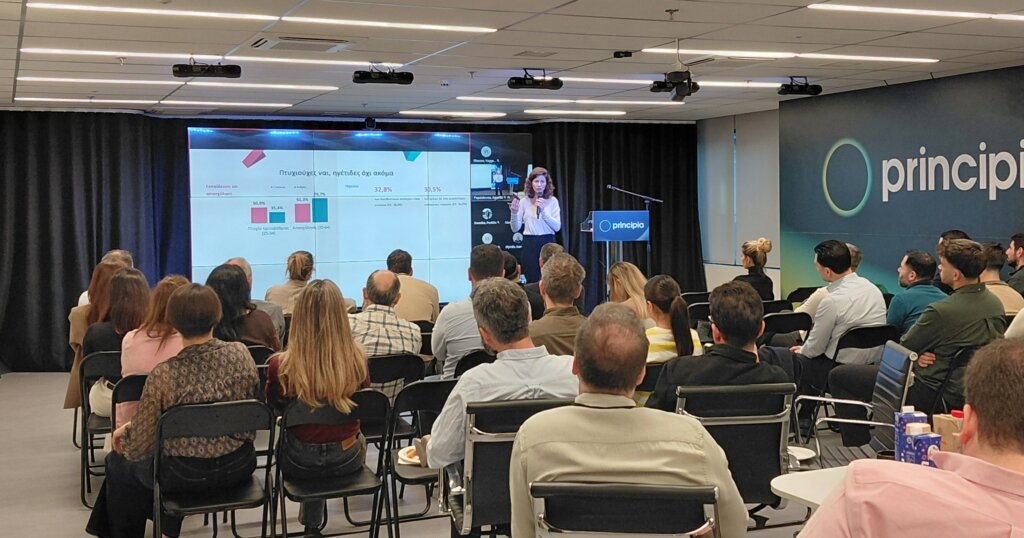
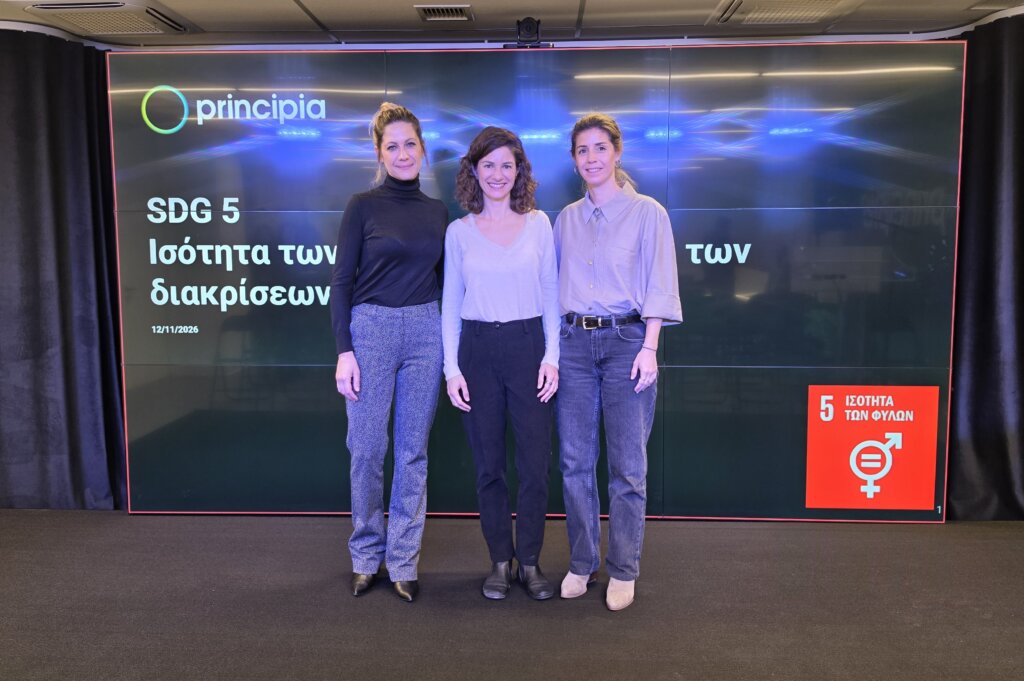
This time, the focus was on SDG 5: Gender Equality, through an interactive session in collaboration with WHEN which focuses in the professional and financial empowerment of women and in the promotion of equality at word, and presented by Stella Kasdagli, co-founder of the organization.
How far are we from equality?
The discussion started with a simple, but highly revealing question: how far are we really from gender equality? The data indicate that, despite the progress made, significant inequalities persist. According to the UN, women dedicate 2.5 times more hours to unpaid care work, while holding only 27.4% of seats in national parliaments and approximately 6% of CEO positions globally. In Greece, the Gender Equality Index stands at 57/100, placing the country 22nd within the EU.
Another point of interest concerns the relationship between education and professional advancement. Eurostat reports that among the 25–34 age group in Greece, 50.9% of women have completed tertiary education, compared to 35.4% of men. However, this is not reflected in the labor market or in positions of responsibility, where women remain underrepresented.
Gender equality and energy transition
The connection to the energy sector was a key part of the discussion. In the field of renewable energy, women account for 32% of the workforce, a figure that has remained stagnant since 2019. Their representation drops even further in technical roles and at higher levels of the organizational hierarchy. This is particularly significant at a time when the energy transition is paving the way for new jobs and roles that demand increasingly technical and digital skill sets, potentially expanding women’s access to a broader range of opportunities.
During the session, we explored how gender equality influences the day-to-day operations of a company, from recruitment and opportunities to participate in projects or training, to professional advancement. Drawing on real-world examples, we also examined everyday behaviors and stereotypes that can foster workplace inequalities, and discussed what changes we can make in our own daily routines.
A broader commitment to equality and inclusion
For us, gender equality and inclusion are integral to our daily operations. We are the first renewable energy company in Greece to have signed the Diversity Charter, and through our "Everyone Is Here" initiative, we organize awareness and training activities focused on diversity and equal opportunities. At the same time, we emphasize the equal participation of women and men at all levels of the company, particularly in roles where women are traditionally underrepresented.
This effort begins as early as the educational stage. Through school visits, educational programs, and partnerships with universities, we provide children and young people with the opportunity to gain firsthand insight into the world of renewable energy, technology, and engineering. Our goal is to encourage more girls and young women to pursue studies and careers in STEM fields, helping them discover the potential these sectors offer and enabling them to overcome the stereotypes that often influence professional choices.
An ongoing dialogue
Gender equality is not just about women, nor is it achieved through a single action; rather, it concerns the way we work, educate, make choices, and evolve. In an industry at the heart of such a significant transition, creating a more equitable future is, for us, an integral part of the very change we aim to achieve.