

Agriculture and RES can work in harmony, creating value for production, the environment and local communities
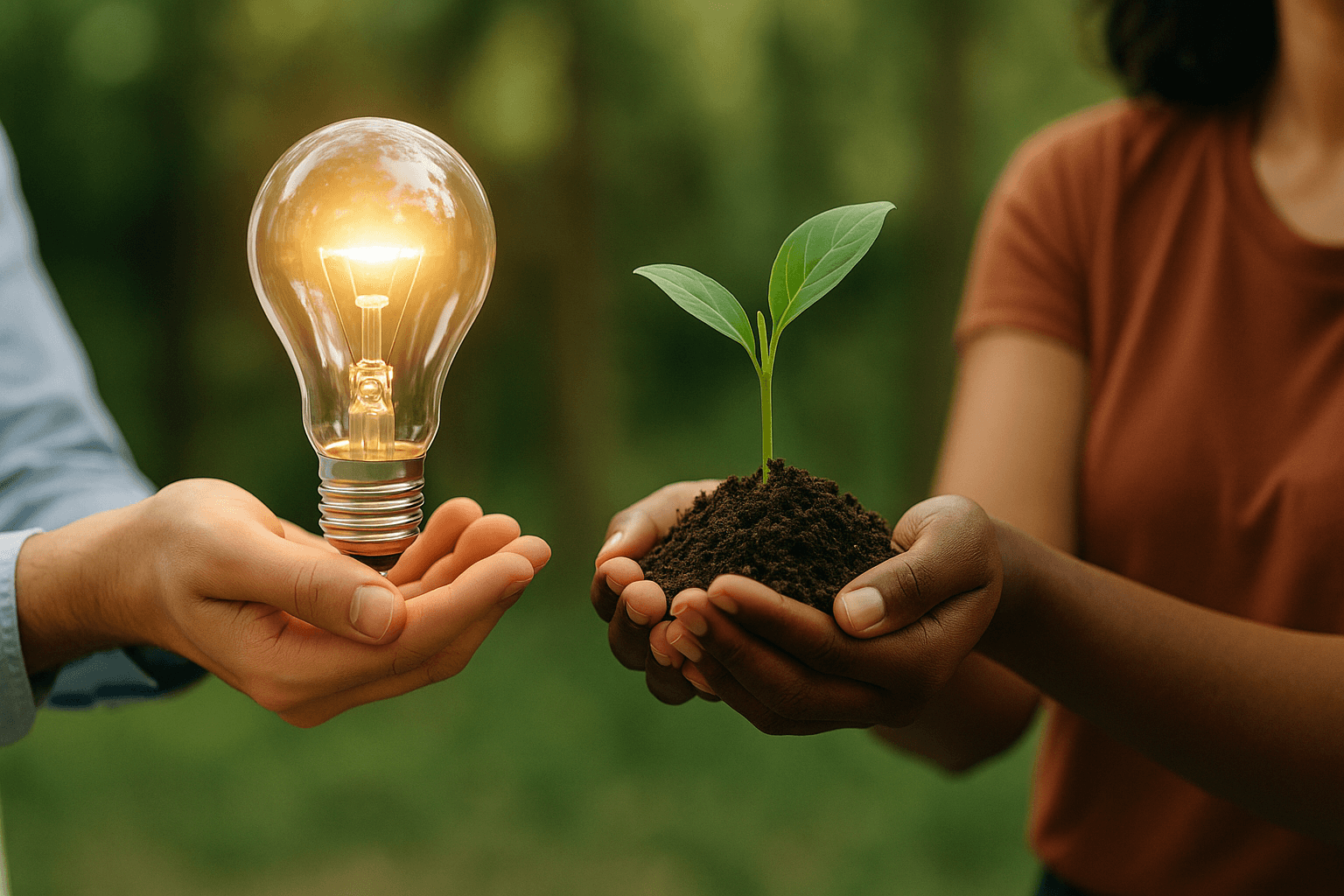
The relationship between agriculture and renewable energy is emerging as one of the most interesting areas of the energy transition. Agricultural production and green energy projects have often been treated as two different land uses. However, according to a joint report published in 2021 by the International Renewable Energy Agency (IRENA) and the Food and Agriculture Organization (FAO) of the United Nations, renewable energy sources can play a decisive role in transforming agri-food chains, while enhancing their sustainability and productivity.
In particular, their use in applications such as solar irrigation can significantly improve farmers’ access to water, allow for more crop cycles and increase resilience to changing climate conditions. At the same time, dependence on fossil fuels and energy costs are reduced, contributing to higher incomes for farmers.
When clean energy supports agricultural production
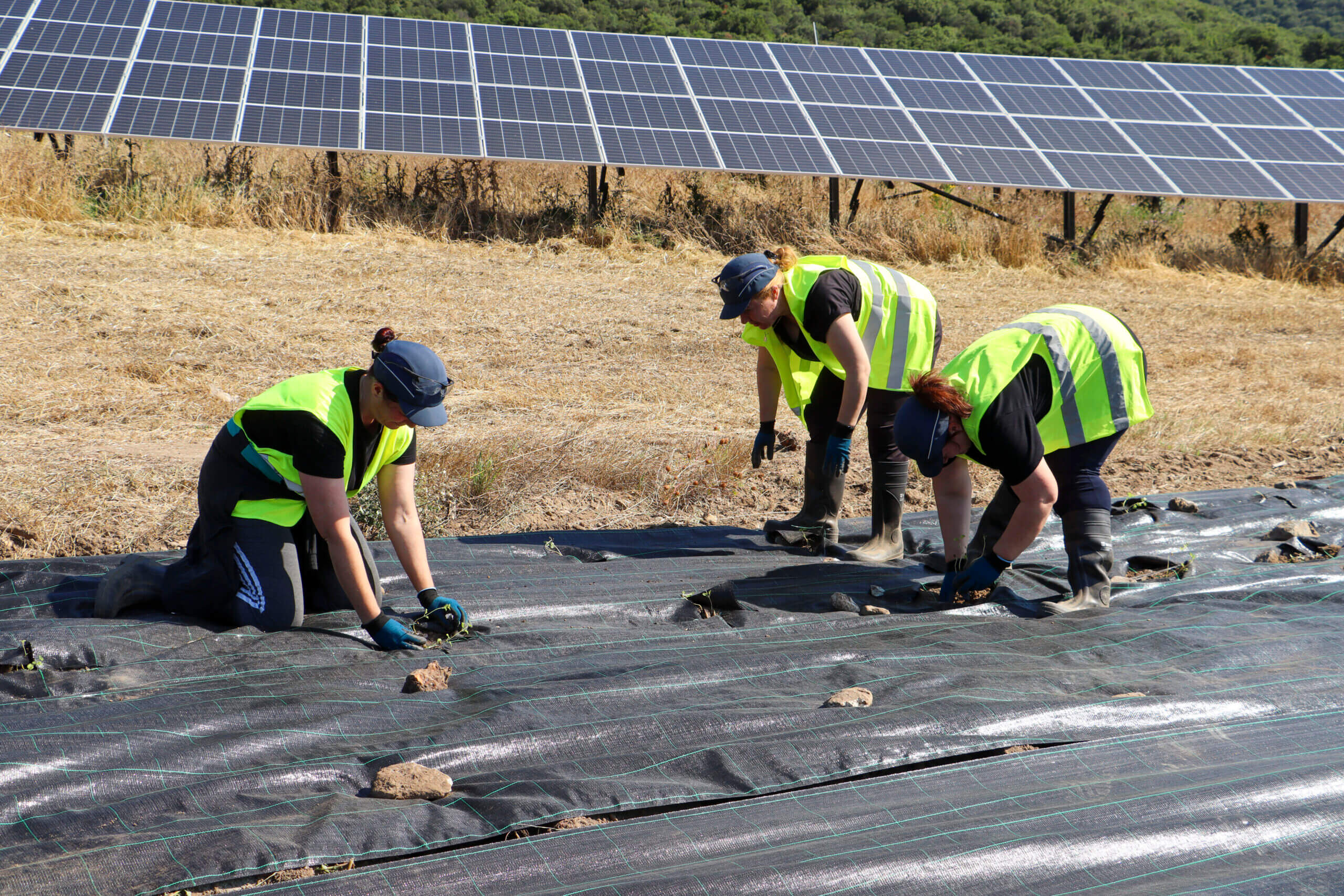
Renewables can provide substantial benefits to the agricultural sector. Clean energy production can meet energy needs associated with irrigation, cooling, storage and processing of agricultural products, reducing energy costs and dependence on conventional sources. At the same time, in agrivoltaic systems, panels can be installed in a way that allows the cultivation to continue under or between the panels. Such an initiative was implemented in Vamvakies A Social Green Project, in which a group of women cultivated aromatic plants such as lemon thyme and paliouri, creating, for the first time in Europe, a range of products from the land of a solar park.
In some cases, the shading created can limit water evaporation and protect crops from extreme temperatures, helping to improve the microclimate. This coexistence is particularly important at a time when climate change is increasingly affecting agricultural production, increasing the pressures of drought, heatwaves and unpredictable weather events.
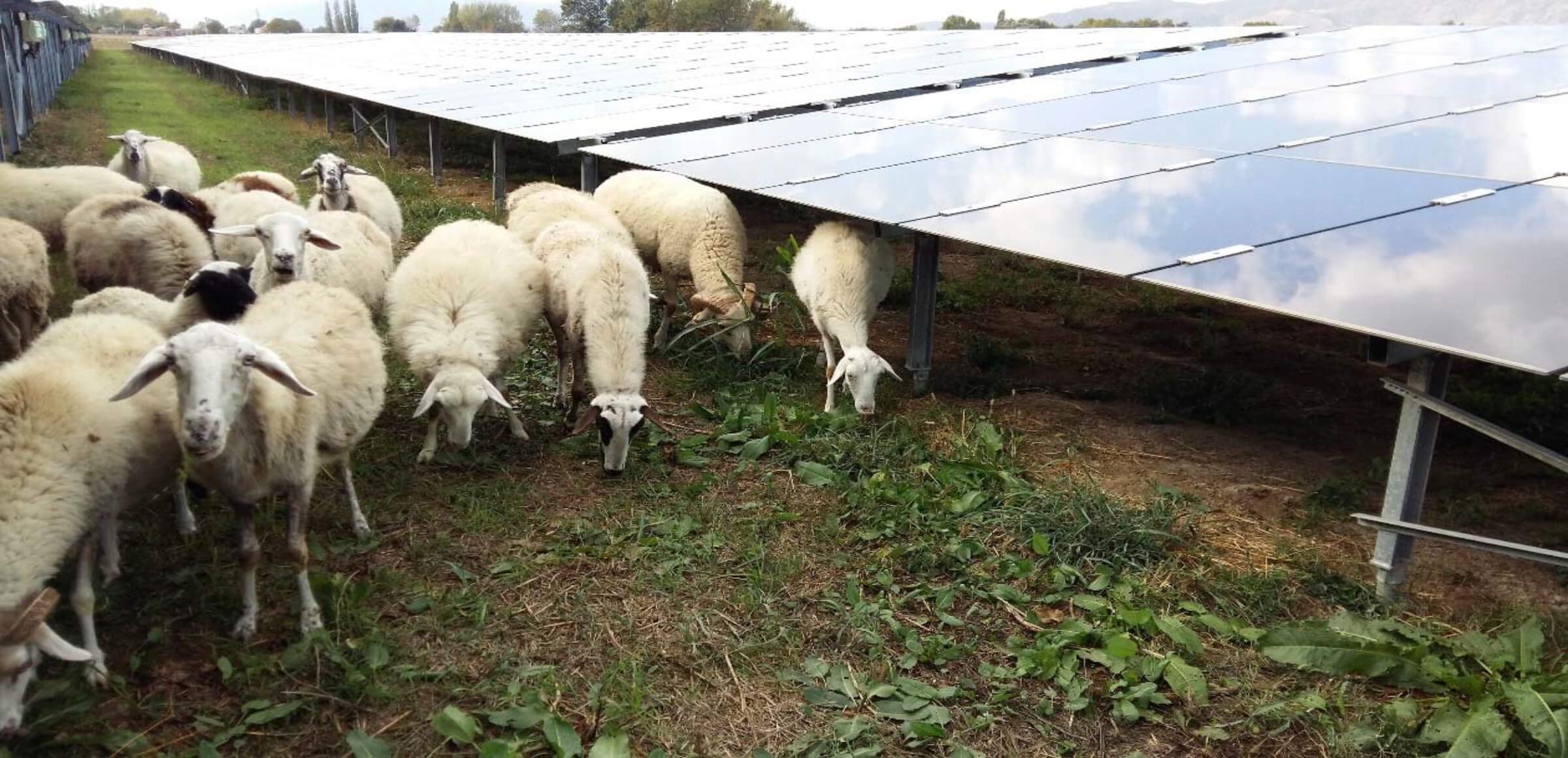
At the same time, RES projects can function as areas for enhancing biodiversity. Preserving natural habitats around projects creates the conditions for sheep grazing within the plants and natural management of vegetation. At our Pezouliotika Solar Park, we allow the entrance of animals that feed on grass and other plants, whose uncontrolled growth could prevent the sun's rays from reaching the panels. By keeping the vegetation under control, we save the fuel that would be necessary for lawn mowers and avoid the use of chemical herbicides, which can contaminate soil and water resources.
Supporting beekeeping at Kafireas
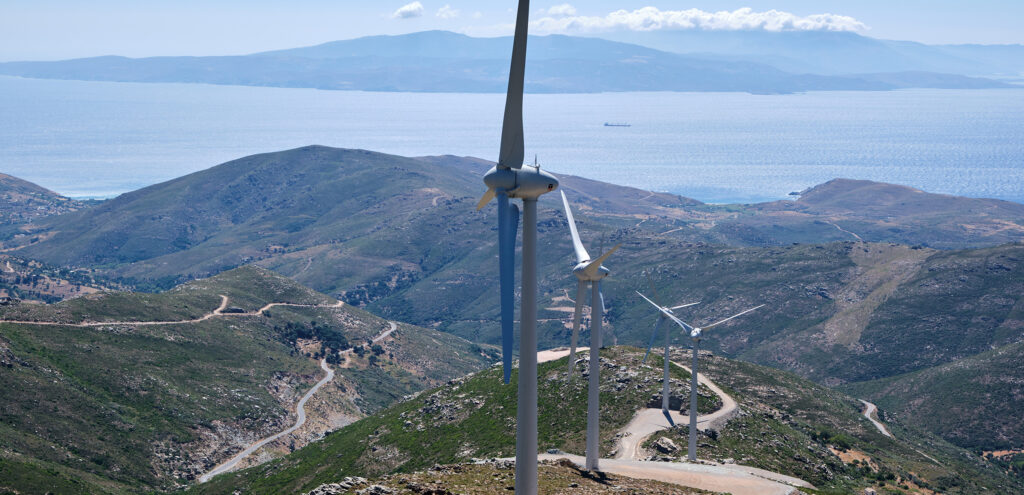
The coexistence of RES and local production is not limited to photovoltaics, but also concerns broader initiatives that connect clean energy projects with the local economy, nature and cultural identity of a region. One such example is the Kafireas Wind Cluster, in the area of Karystos, where the Greek flower honey "Kissouri" is a special local product, closely linked to the vegetation, microclimate and beekeeping tradition of South Evia. Through the support of beekeeping in Kafireas, we contributed to the protection and strengthening of the local bee population, recognizing their importance for biodiversity and agricultural production in the area. At the same time, with our decisive contribution and after 5 years of procedures, the European Commission registered "Kissouri Honey" as a Protected Designation of Origin (PDO). The aim of this initiative was to protect the natural heritage and support activities that have real value for the place.
Through respect for the land, proper planning and open dialogue with communities, the energy transition can create not only clean energy, but also new opportunities for the countryside, local production and biodiversity.