Responsible Consumption and Production

14 October 2026
Environmental Awards: Recognition for Principia’s Circular Economy Initiatives
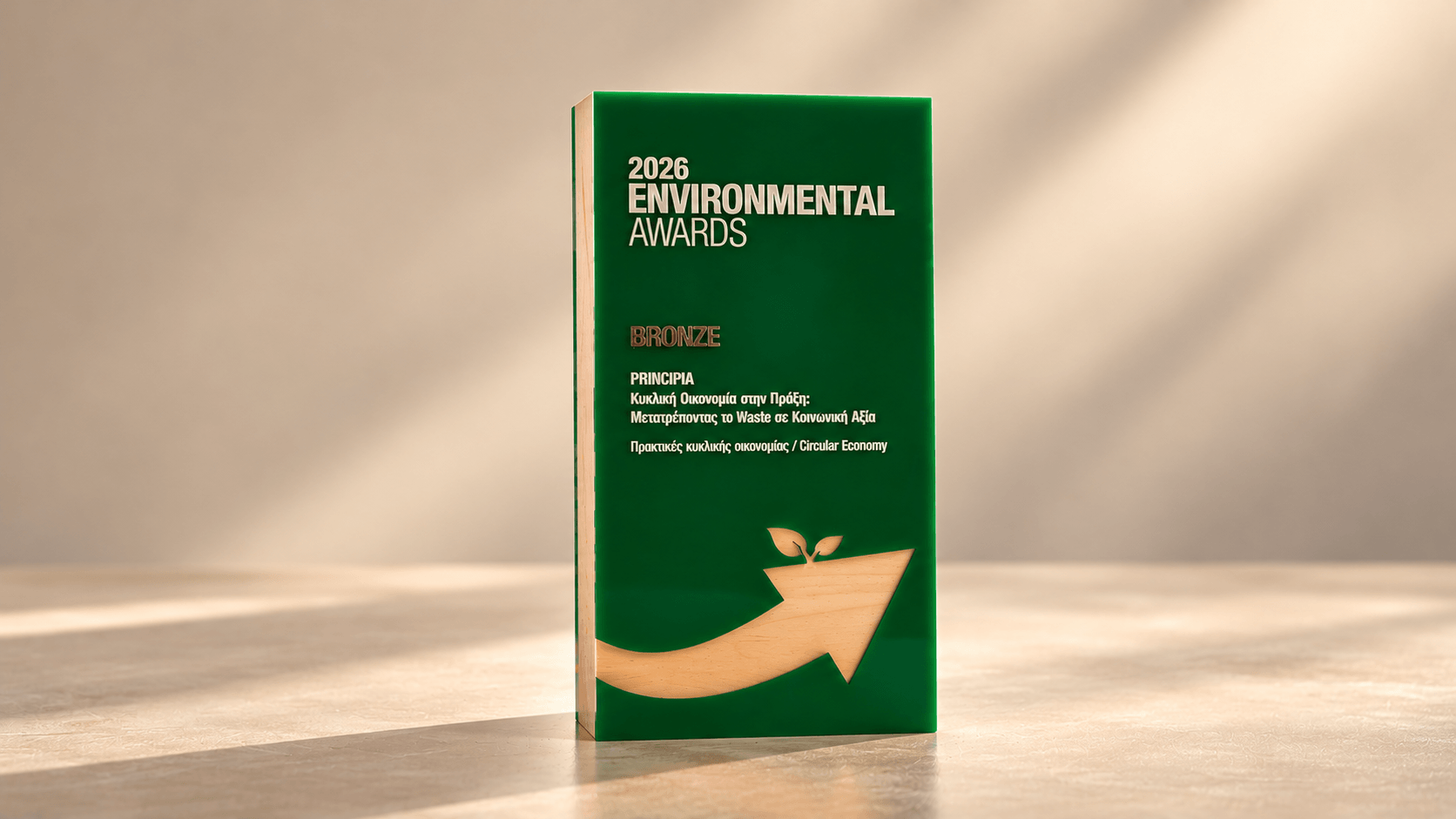
Our initiatives in the fields of sustainability and circular economy have received another distinction
The annual Environmental Awards highlight programs and good practices that contribute to environmental protection, sustainable development and green innovation. Principia was awarded in the Circular Economy category, for a series of initiatives that have a common goal: to extend the life cycle of materials and infrastructure that would otherwise be led to discard and turn them into solutions with environmental and social value.
Through collaborations with social organizations, universities, employees and local bodies, we apply in practice a circular economy model that connects reuse and upcycling with the needs of local communities.
New life in the materials of "Themelio"
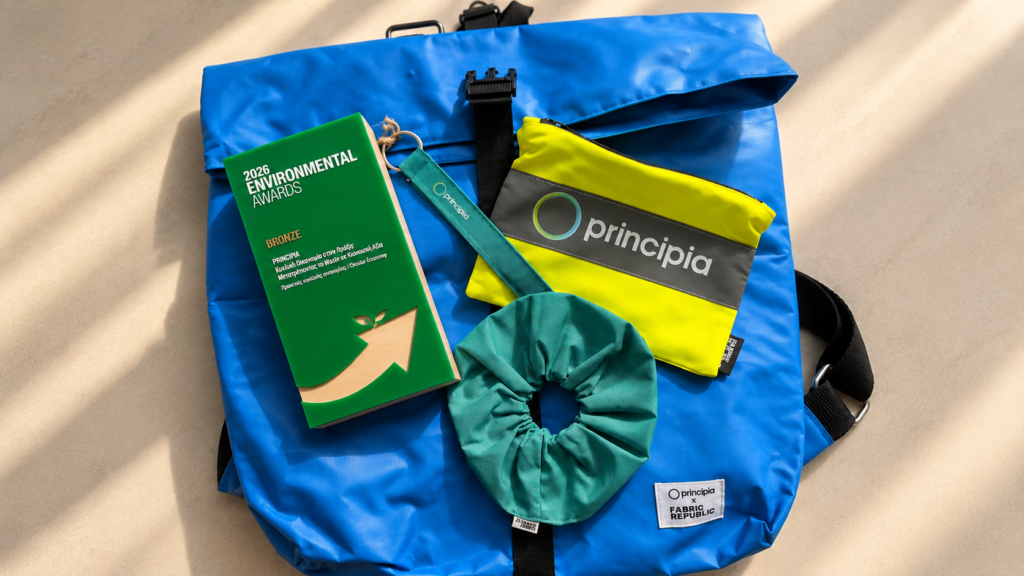
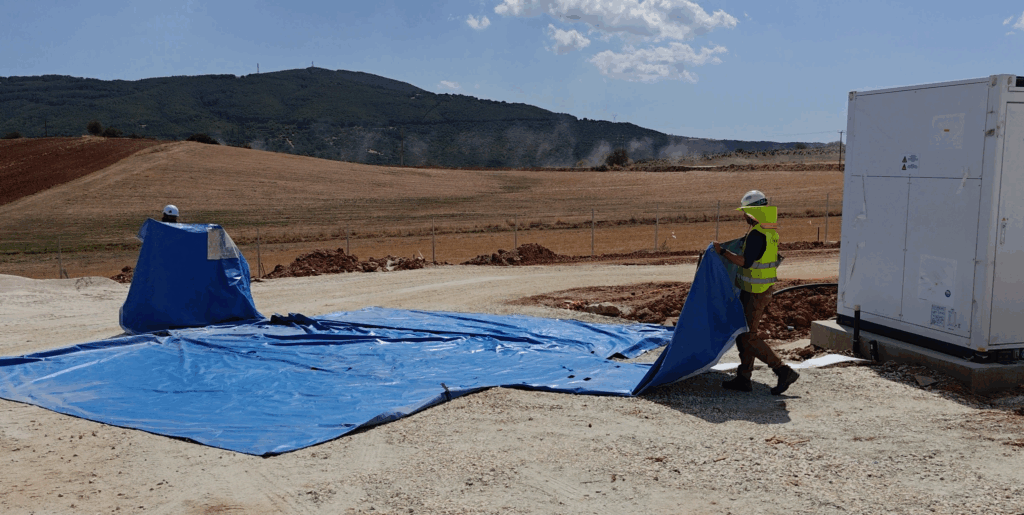
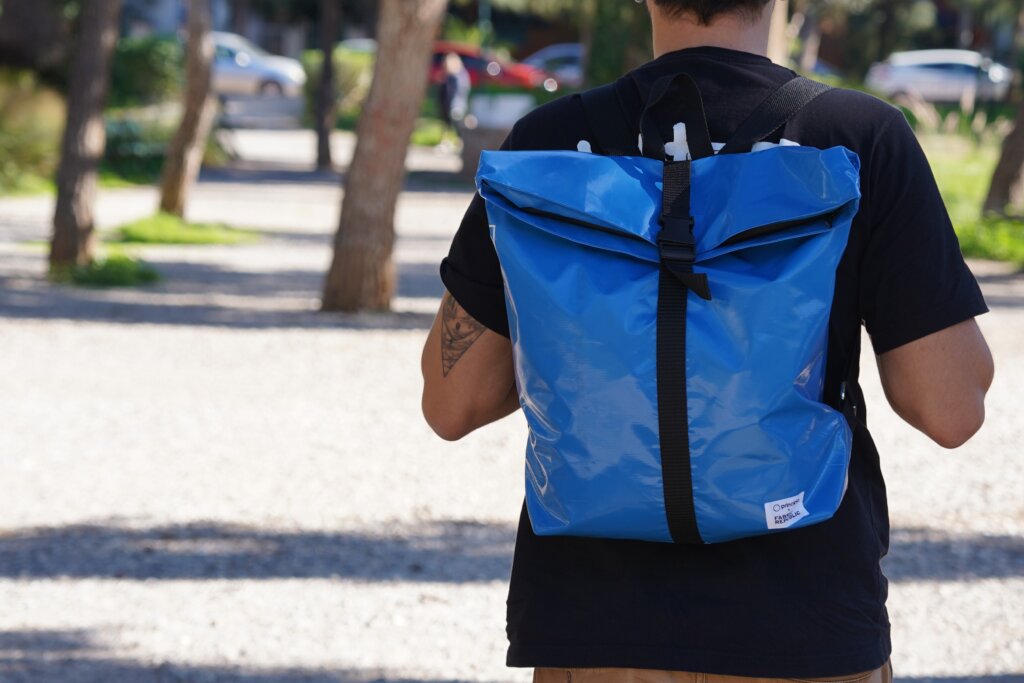
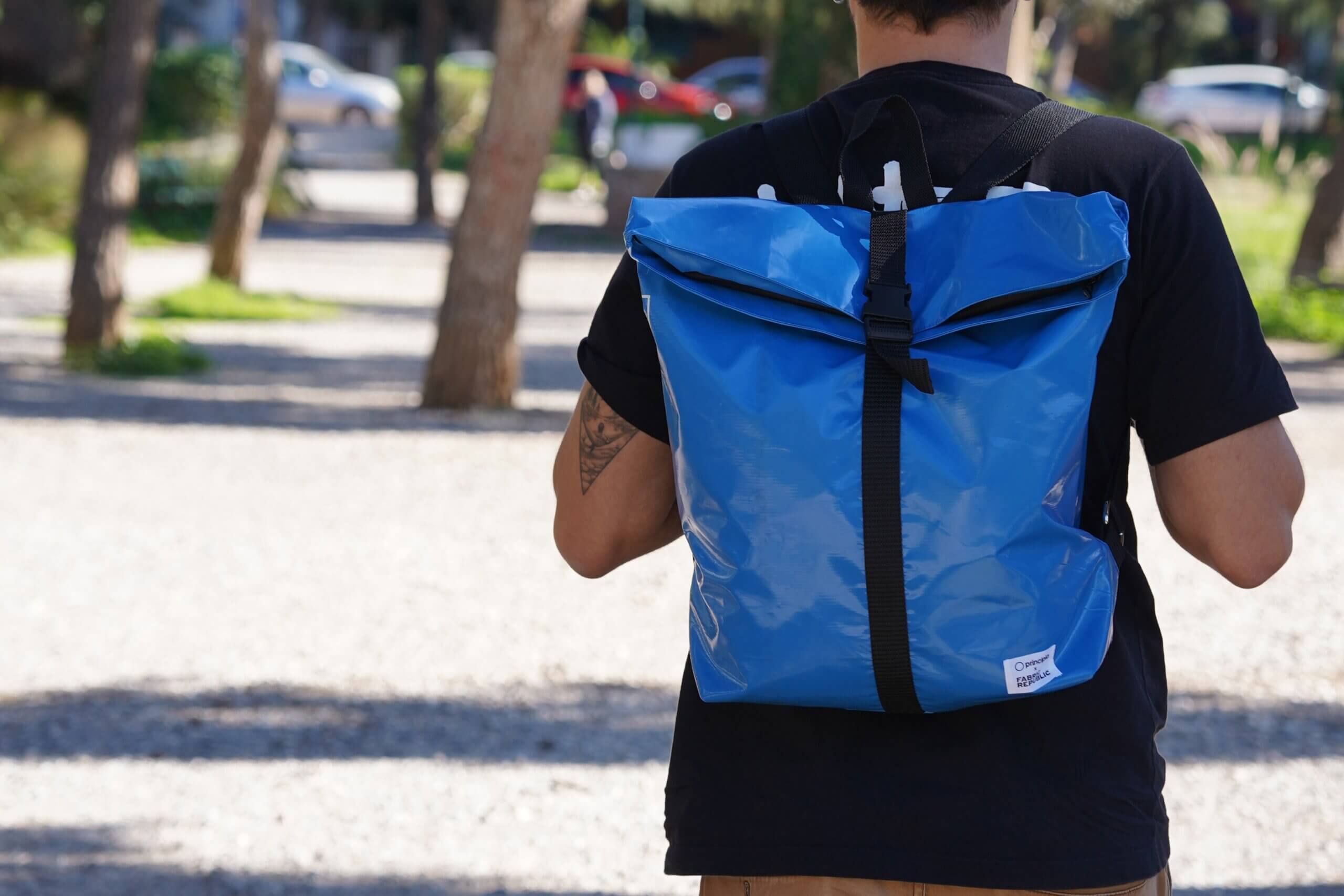
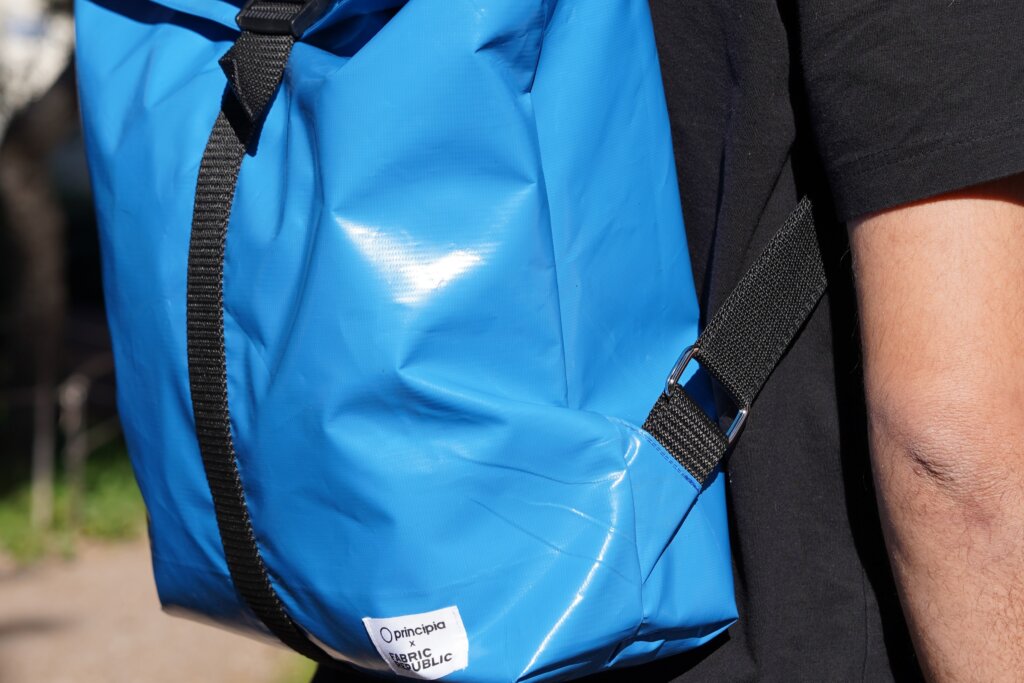
A typical example is the action implemented during the construction of the "Themelio" Battery Energy Storage System in Chalkidiki. During the construction of the project, waste emerged from the plastic covers of the 26 battery containers, with a total weight of 962 kg. In collaboration with Fabric Republic, 74 kg of these materials were creatively used and turned into waterproof, utilitarian backpacks, which were offered to the company's employees.
Through the utilization of these materials, the release of about 150 kg of CO₂ was avoided at the same time, limiting the environmental footprint that their conventional management would have.
From construction, back to society
The same approach has been applied to our other projects. In the "Perasma" Solar Cluster, more than 500 wooden pallets and six cable reels were reused to create the fully accessible playground "Kivotos" in Kozani, in collaboration with CluBE and the University of Western Macedonia.

Near the "Soros" Wind Farm in Evros, 13 wooden medium-voltage electricity poles that had been damaged were converted into a recreation and observation kiosk, creating a new space for visitors and walkers, which at the same time can support the fire protection needs of the area.
Circularity in our daily operations
The principles of the circular economy are also applied to the daily operation of the company. As part of our corporate rebranding, old materials were redesigned and transformed into 200 objects, such as vests, hats, T-shirts, banners and bags, moving on to a second lifecycle.
At the same time, in collaboration with Cigaret Cycle, we are strengthening our environmental awareness through the systematic collection of cigarette butts in our Corporate Hub and their redirection to processing and recycling, so that they can be converted into secondary raw materials.
Creating long-term value
Our distinction at the Environmental Awards 2026 is a recognition of a broader approach that sees circular economy not as a single action, but as part of how we design our projects, manage our resources, and collaborate with the societies in which we operate.
Through these initiatives, we continue to look for practical ways to transform materials and infrastructure with a limited initial life cycle into projects with long-term environmental and social value.



4 June 2026
World Environment Day: Respect for nature, responsibility for the future
World Environment Day (June 5) is an important reminder every year that the protection of natural wealth is a continuous, daily responsibility for all of us
With our role in the energy transition, with the way we plan and develop our projects, and with constant initiatives, we make responsibility a reality. Through our portfolio, which includes wind, solar, hydroelectric plants and now energy storage projects, we contribute to clean energy production, reducing reliance on fossil fuels and supporting a more sustainable energy future.
At the same time, we are moving forward with a clear strategy towards achieving our Net Zero goal by 2040, aspiring to achieve a 95% reduction in Scope 1 and Scope 2 emissions, and limiting residual emissions to less than 1%.
Protection of the country's natural wealth
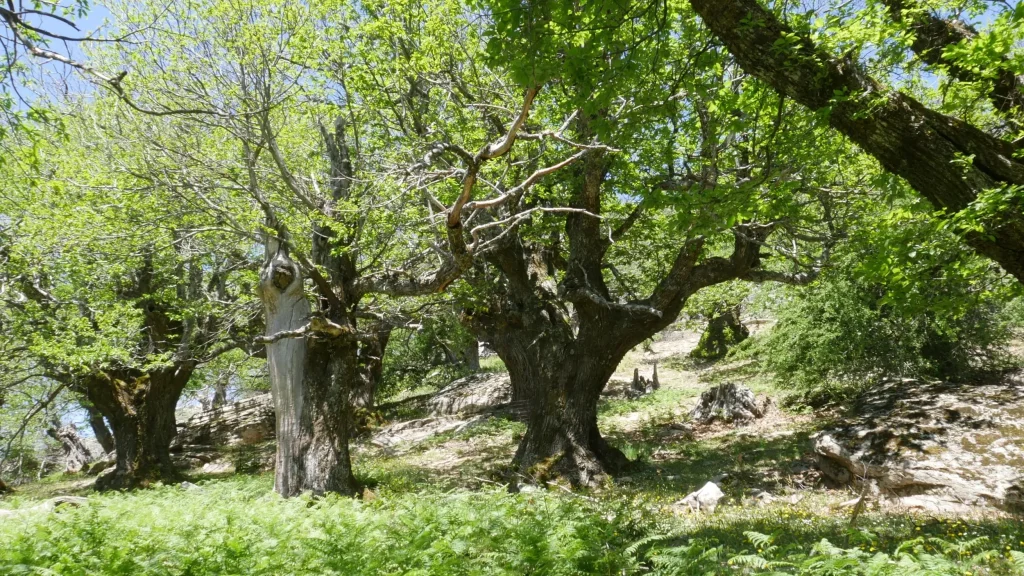
Environmental protection is not limited to the production of green energy, but translates into respect for ecosystems, prevention, responsible operation and practical support of the areas where we operate. A crucial example is the reforestation project in Kastanologgos, in South Evia, in the area of the Kafireas Wind Cluster. Through a five-year program, we have completed the reforestation of 660 acres, giving new life to a historic chestnut forest of great ecological and cultural value.
In the same direction, we implement and support actions to protect biodiversity and strengthen local production. In the area of Kafireas, we have supported initiatives related to bees, local beekeeping and the registration of "Kissouri" honey from Karystos as a Protected Designation of Origin (PDO).
Continuous monitoring of environmental performance
We systematically invest in practices that reduce our environmental footprint. As demonstrated through the company's annual Sustainability Statement, we constantly monitor greenhouse gas emissions, record our carbon footprint and enhance energy efficiency in our projects.
At the same time, we promote responsible resource management and integrate circular economy actions into our daily operations, such as the reuse and utilization of materials. Recently, we implemented a major circular economy project, transforming the old battery covers from the construction of the "Themelio" Battery Energy Storage System into waterproof utility backpacks, which we offered to our colleagues.
Continuing the initiatives that have been implemented in the past, such as the creation of a model wooden playground from pallets and rotors used in the construction of the "Perasma" Solar Cluster, in Kozani, but also the conversion of our old materials into useful objects as part of our corporate rebranding, we highlight the importance of balancing energy, nature and local communities, recognizing that they are all part of the same ecosystem.
Daily Giving Actions
Environmental awareness is also part of our corporate culture. Through our corporate volunteering program, as well as through actions in collaboration with organizations and communities, we encourage our people to actively participate in initiatives with a positive social and environmental footprint.
World Environment Day is not just a day of information, but an opportunity to take stock of the impact of our choices and reaffirm our commitment to sustained action. We continue to work towards a more sustainable future by investing in clean energy, supporting local communities and protecting the nature that is our home.

19 May 2026
Renewable Energy Sources and Agricultural Production: A Coexistence with Multiple Benefits
Agriculture and RES can work in harmony, creating value for production, the environment and local communities
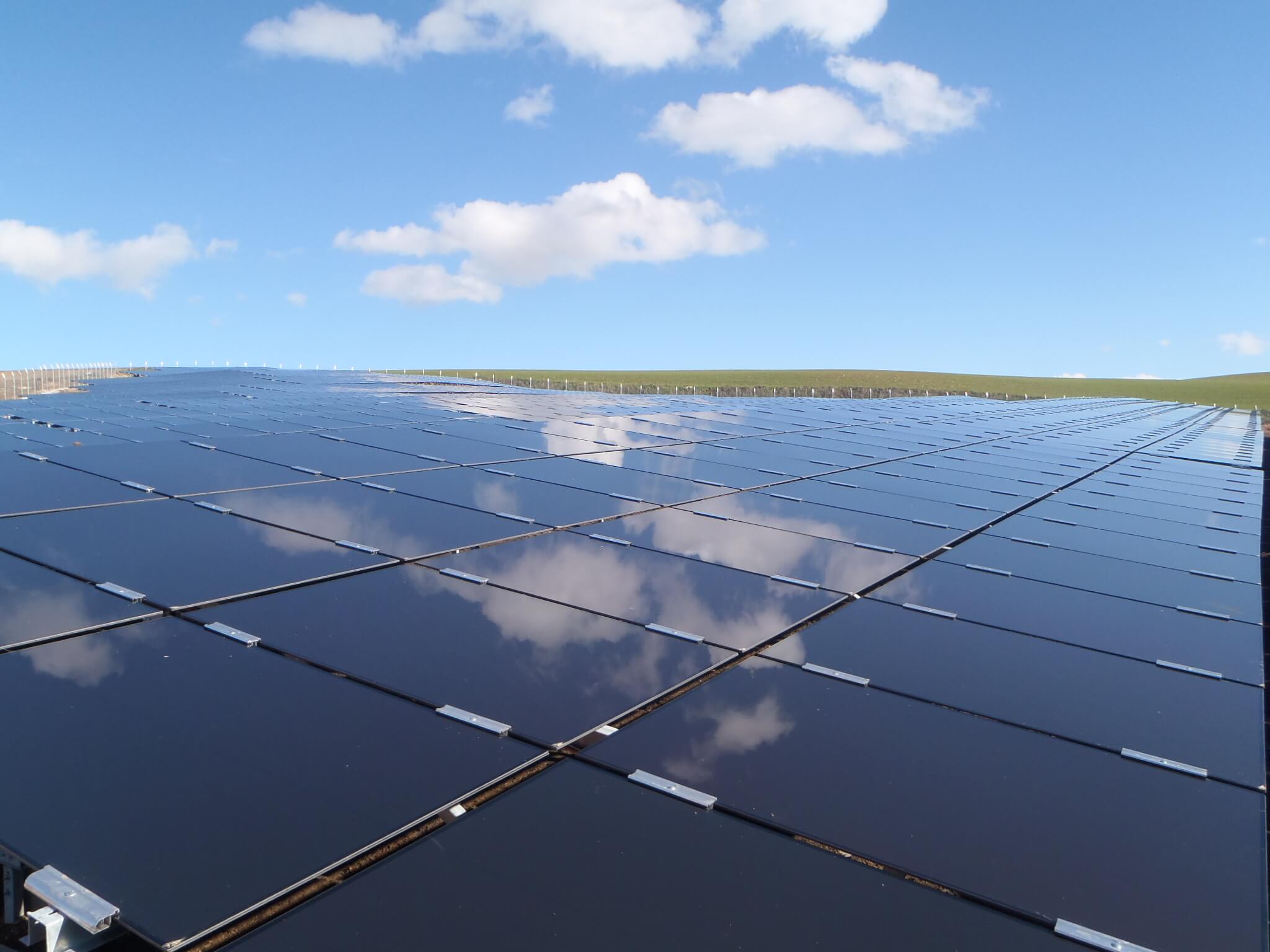
The relationship between agriculture and renewable energy is emerging as one of the most interesting areas of the energy transition. Agricultural production and green energy projects have often been treated as two different land uses. However, according to a joint report published in 2021 by the International Renewable Energy Agency (IRENA) and the Food and Agriculture Organization (FAO) of the United Nations, renewable energy sources can play a decisive role in transforming agri-food chains, while enhancing their sustainability and productivity.
In particular, their use in applications such as solar irrigation can significantly improve farmers’ access to water, allow for more crop cycles and increase resilience to changing climate conditions. At the same time, dependence on fossil fuels and energy costs are reduced, contributing to higher incomes for farmers.
When clean energy supports agricultural production
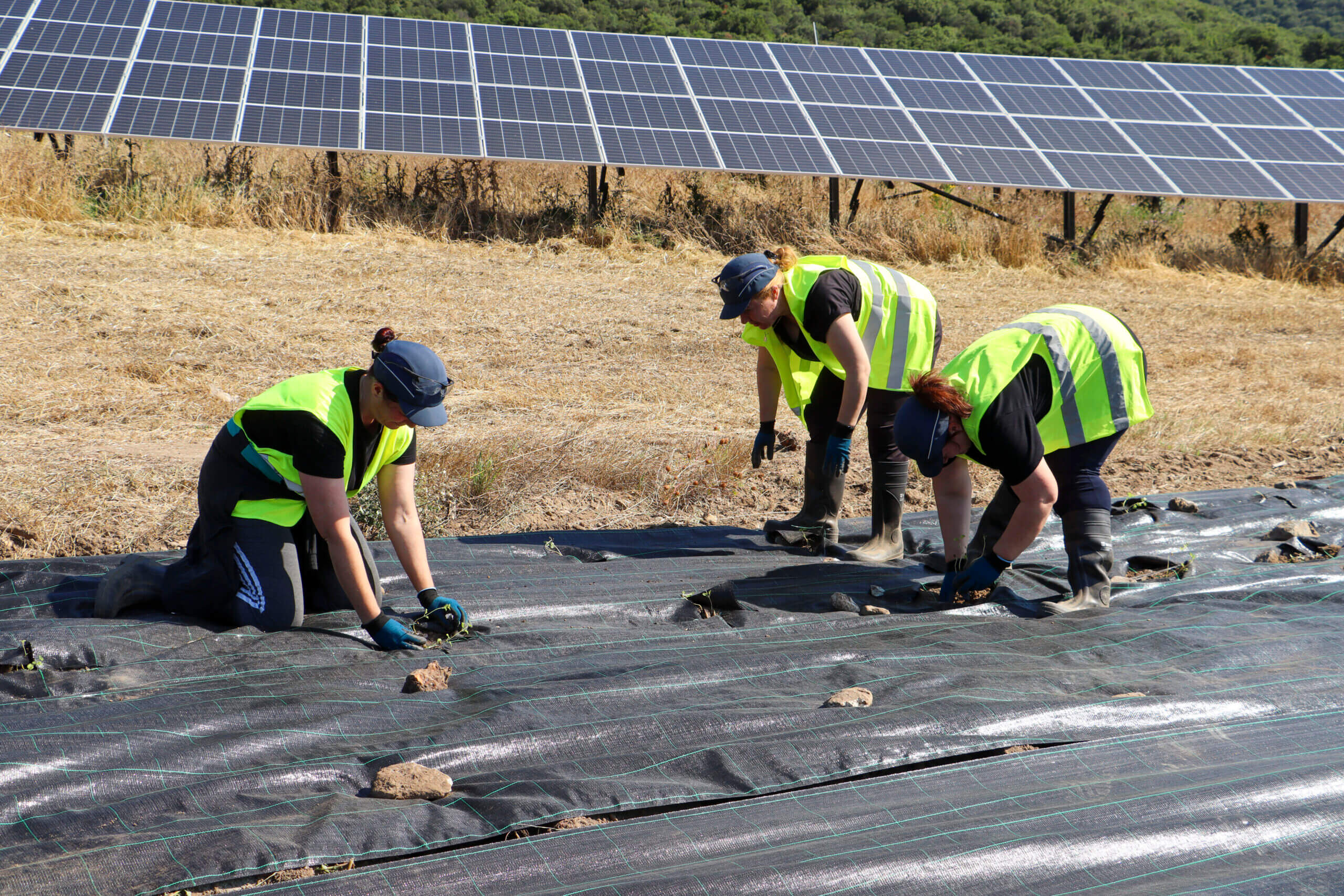
Renewables can provide substantial benefits to the agricultural sector. Clean energy production can meet energy needs associated with irrigation, cooling, storage and processing of agricultural products, reducing energy costs and dependence on conventional sources. At the same time, in agrivoltaic systems, panels can be installed in a way that allows the cultivation to continue under or between the panels. Such an initiative was implemented in Vamvakies A Social Green Project, in which a group of women cultivated aromatic plants such as lemon thyme and paliouri, creating, for the first time in Europe, a range of products from the land of a solar park.
In some cases, the shading created can limit water evaporation and protect crops from extreme temperatures, helping to improve the microclimate. This coexistence is particularly important at a time when climate change is increasingly affecting agricultural production, increasing the pressures of drought, heatwaves and unpredictable weather events.
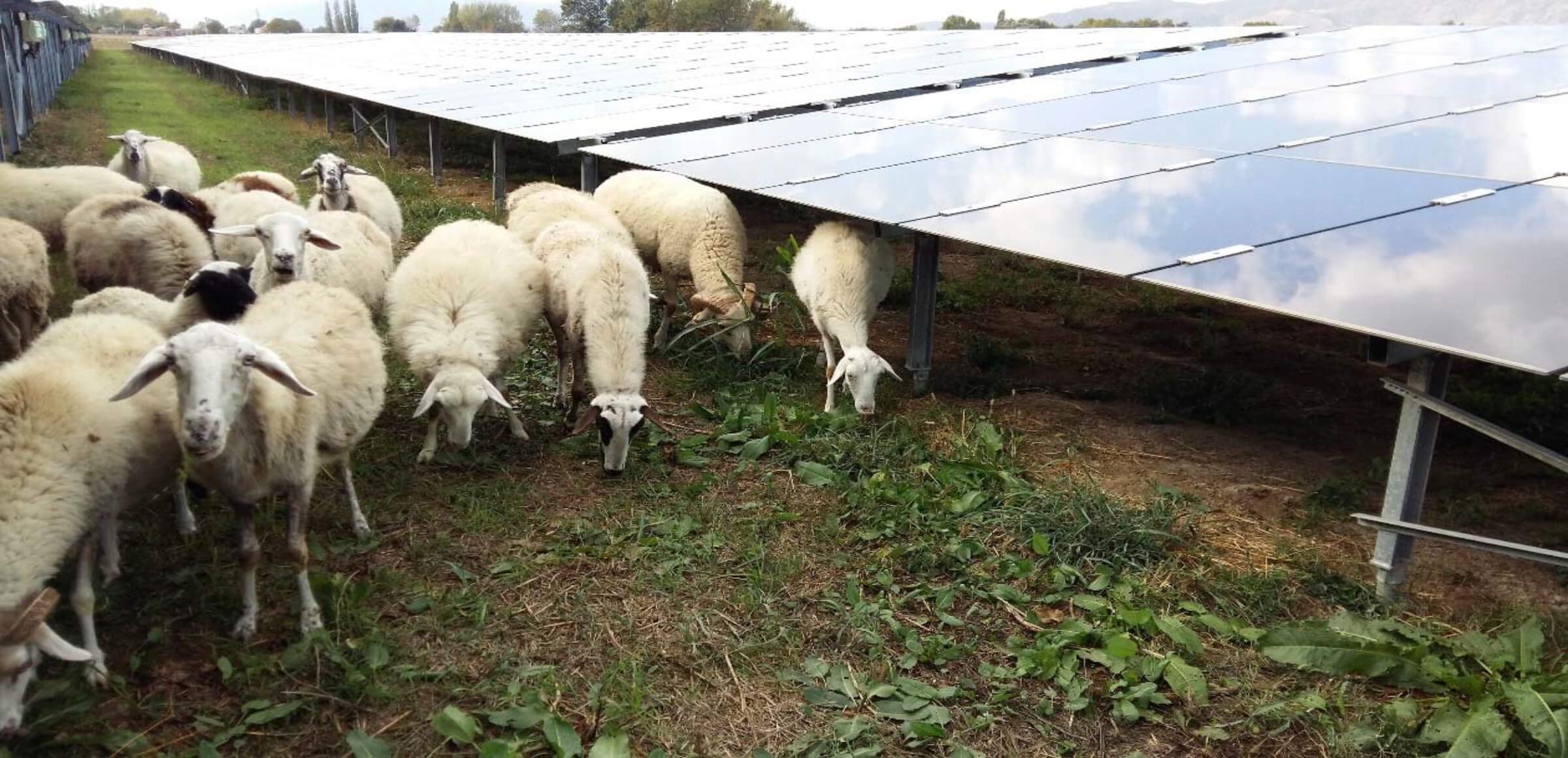
At the same time, RES projects can function as areas for enhancing biodiversity. Preserving natural habitats around projects creates the conditions for sheep grazing within the plants and natural management of vegetation. At our Pezouliotika Solar Park, we allow the entrance of animals that feed on grass and other plants, whose uncontrolled growth could prevent the sun's rays from reaching the panels. By keeping the vegetation under control, we save the fuel that would be necessary for lawn mowers and avoid the use of chemical herbicides, which can contaminate soil and water resources.
Supporting beekeeping at Kafireas
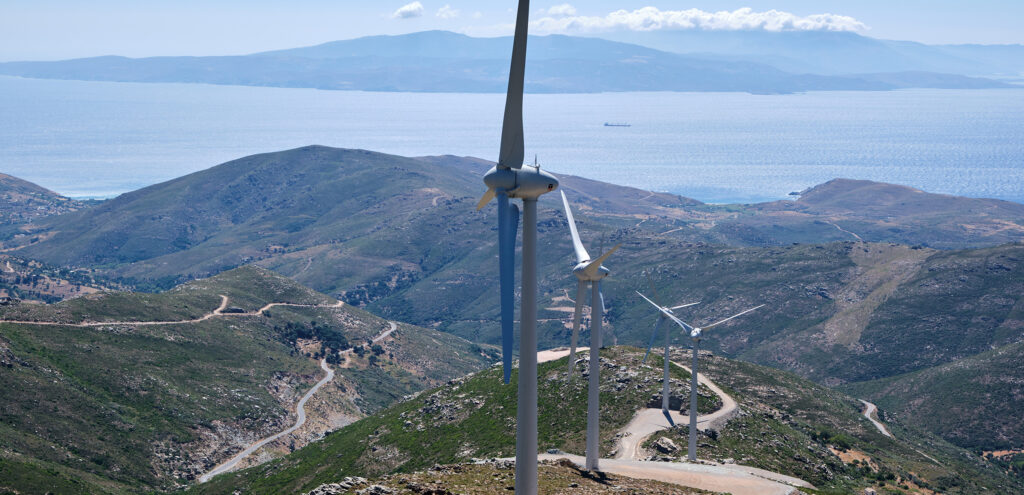
The coexistence of RES and local production is not limited to photovoltaics, but also concerns broader initiatives that connect clean energy projects with the local economy, nature and cultural identity of a region. One such example is the Kafireas Wind Cluster, in the area of Karystos, where the Greek flower honey "Kissouri" is a special local product, closely linked to the vegetation, microclimate and beekeeping tradition of South Evia. Through the support of beekeeping in Kafireas, we contributed to the protection and strengthening of the local bee population, recognizing their importance for biodiversity and agricultural production in the area. At the same time, with our decisive contribution and after 5 years of procedures, the European Commission registered "Kissouri Honey" as a Protected Designation of Origin (PDO). The aim of this initiative was to protect the natural heritage and support activities that have real value for the place.
Through respect for the land, proper planning and open dialogue with communities, the energy transition can create not only clean energy, but also new opportunities for the countryside, local production and biodiversity.
19 December 2025
We turn the waste of our first BESS into social and environmental value
During the construction of our first Battery Energy Storage System in Chalkidiki, "Themelio", waste emerged from the plastic covers of the 26 battery containers, with a total weight of 962 kg. The vast majority of these materials were recycled; but we treated 74 kg of it differently, deciding to give them a second life.
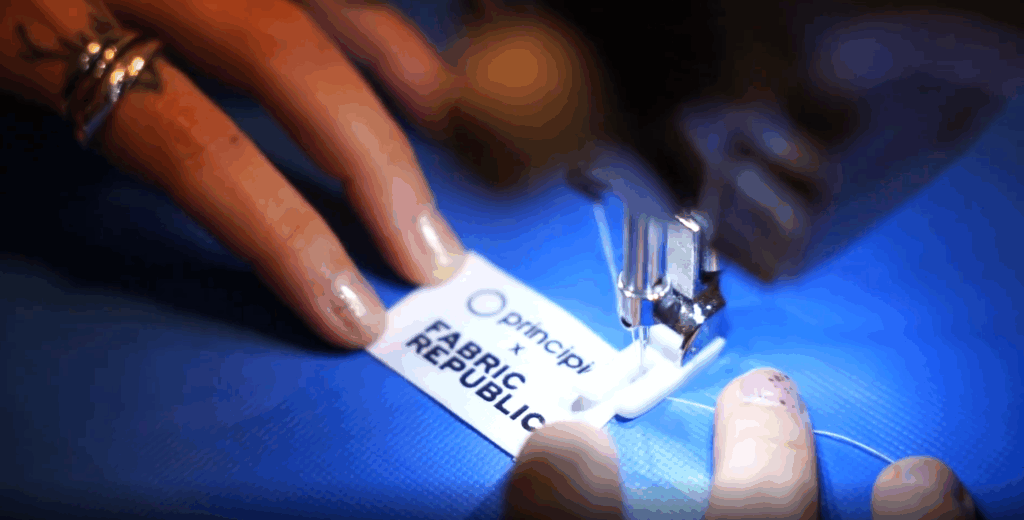
In collaboration with Fabric Republic, dozens of old blue battery covers were transformed into waterproof utilitarian backpacks, which we offered to our colleagues. Through this initiative, 150 families gained access to clean clothing, while at the same time 150 kg of CO₂ was not released into the atmosphere - demonstrating in practice the power of circular economy.
A philosophy that has been consistently built in recent years
This new action is not an isolated effort. In recent years, we have developed a comprehensive framework of circular economy initiatives, giving a second life to materials that would otherwise end up in waste and creating a social impact at the same time.
As part of our rebranding, over 200 vests, hats, t-shirts, banners and bags that had been used in our previous actions, we turned them - again in collaboration with Fabric Republic - into new, useful accessories such as scrunchies, bags, pencil cases, keychains and wallets.
In Kozani, we implemented the “Kivotos” project converting 500 pallets and cable transfer rotors from the "Perasma” Solar Cluster to an original, safe and fully accessible wooden playground for the "Kivotos" Rehabilitation Center. With the collaboration of Cluster of Bioeconomy and Environment of Western Macedonia (CluBE) and the scientific support of the Department of Fine & Applied Arts of the University of Western Macedonia, students and children created wooden toys and artistic structures, showcasing the power of reuse and social contribution.
Giving back to society
These projects – from the reuse of corporate materials to the creation of wooden infrastructure – are part of a broader philosophy: to create value for society and the environment through our activities. Each initiative is part of our Creating Shared Value (CSV) strategy and is directly linked to the UN Sustainable Development Goals, especially Goals 4 - Quality Education, 10 - Reduced Inequalities and 11 - Sustainable Cities and Communities.
Our new activity in Chalkidiki is added to a series of initiatives that prove the power of circular economy every day.


23 May 2024
Facing the challenge of energy poverty
We undertook the study of energy needs in Mavrodendri, Kozani and implemented a three-fold program, through which residents received personalized support to improve their quality of life.
We actively support local communities in the areas where we operate, contributing steadily to local cultural events and social programs. In this way, we demonstrate our commitment to the holistic development of each region, as well as the creation of mutual value.
In this context, we implemented the program "Energy Poverty - Identification and addressing of energy needs", for the community of Mavrodendri Kozani. Nearby, there is the Perasma Solar Cluster, with a total capacity of 95 MW, which will contribute significantly to the country's energy transition.
An innovative program
The aim of the project, implemented in collaboration with the Bioeconomy and Environment Cluster (CluBE) of Western Macedonia, was to investigate the phenomenon of energy poverty in Kozani. The area of Mavrodendri was chosen as it is located both in the coldest zone of the country and in the center of the energy transition.
The three stages of the initiative
The project was implemented in three phases. Initially, a detailed survey was carried out, in which the residents participated, in order to record the energy needs of the community. The data collected provided important information on the socio-economic status and energy consumption patterns of households in the region.
The company then used the survey data and created a roadmap for households and local authorities to effectively tackle energy poverty.
Practical applications
At the same time, for the most substantial support of the local community, a one-stop shop was created and staffed. The service offered interested parties personalised advice on energy efficiency and upgrading buildings.
At the same time, residents had the opportunity to be informed about the available financial tools regarding the implementation of energy upgrades in their homes. The installation of solar panels or battery systems, as well as the improvement of heating and cooling systems, are recommended solutions in this field.
This is the only structure in Greece designed to facilitate two-way communication between citizens and experts, promoting sustainable energy practices.
Meaningful support to local communities
The initiative is part of our strategy to empower local communities in all areas where we operate. More specifically, in the area of Kozani, we implemented the Vamvakies Social Green Project. The program aimed to support entrepreneurship and empower citizens of Kozani to develop careers in the food industry. At the same time, a group of women cultivated aromatic plants in our solar park in Vamvakies. Women were supported to become micro-entrepreneurs, market these original products and earn a significant income.
We demonstrate daily our commitment to a sustainability model based on initiatives and targeted actions with a significant impact on people's lives. Our Creating Shared Value - CSV initiatives are fully aligned with the 17 UN Sustainable Development Goals, with this program being part of SDG 4 - Quality Education, SDG 11 - Sustainable Cities and Communities, and SDG 12 - Responsible Consumption and Production.


10 May 2024
Breathing New Life into Leftovers: A Journey of Circular Economy
Breathing new life into leftovers branding items sparks another contribution initiative
Did you know that research indicates approximately 10 million tons of textiles in America and Europe are discarded annually? Astonishingly, about 85% of produced clothes end up in landfills. Have you ever stumbled upon a pile of items no longer useful and pondered, "What can I do with these?" We at Principia did, and it propelled us on an extraordinary journey of sustainability and charity.
During our rebranding process, we faced a dilemma - what to do with the leftover branding items? This challenge initially concerned us but eventually inspired a creative solution, leading us down the path of circular economy and social contribution. In our warehouses, we found over 200 safety vests, hats, t-shirts, banners, and bags that had been utilized in various company activities. With sustainability and green development being core values of our DNA, we saw this as an opportunity to repurpose and reuse these items.
We partnered with Fabric Republic, a trailblazer in clothing management that aligns with our passion for sustainability and social needs. Together, we transformed these items into brand new accessories like scrunchies, bags, pencil cases, keychains, and wallets. It was truly inspiring to breathe new life into objects that once played a significant role in our company's history.
Creating Value Through Giving
Our journey didn't stop there. The act of giving holds special significance for us at Principia. We decided to extend our efforts beyond environmental contribution and perform an act of love for society by donating all these newly crafted items to the Chatzipaterio Children's Rehabilitation and Support Center.
The NGO then organized a special Easter Bazaar at our premises, where employees were able purchase Fabric Republic's creations. Over the years, we have supported the foundation and numerous other institutions and organizations through volunteer programs, donations, and educational activities.
An Act of Love for the Environment and Society
For us at Principia, the circular economy is not just a concept; it's an integral part of our operations. It guides us towards sustainability and green growth, urging us to reduce our environmental footprint and breathe new life into what's left. Our commitment extends beyond environmental sustainability. We believe in giving back to society and supporting those who need it most.
Our partnership with the Chatzipaterio Center is a testament to this belief. By transforming surplus products into valuable items, we were able to support their cause. Sustainable activities and practices are our priority, and creating value for the environment and society is our primary goal. Our initiatives are fully aligned with the 17 UN Sustainable Development Goals, with this activity being part of SDG 12: Responsible Consumption and Production.


25 July 2022
Ηow the circular economy is helping us enjoy a natural beauty spot
At our Soros wind farm in the Evros district in Thrace, we created our first circular economy project in the country. Using scrap wood from damaged electricity poles, we’ve created a fully equipped picnic area for hikers and visitors, which, at the same time, also serves as a useful wildfire observation point.
A kiosk for sustainability
We have five wind farms in Thrace, for a total capacity of 63 MW, which are regularly checked and inspected. That’s how in 2021 we identified 13 wooden medium-voltage electricity poles that had been compromised by exposure to various natural phenomena, including damage from woodpeckers that inhabit the area. Talking with our colleagues at O&M about what to do with the old poles, we came up with the idea of building a kiosk in our Soros wind farm, in Evros. There, visitors could take a break and enjoy the beautiful view; there were no longer any picnic spots in the area as the few remaining ones had been destroyed in recent years.
What’s more, this observation point could also be used for spotting nascent wildfires. So we officially submitted a project to the municipal council and the authority responsible for local parks and, once it had been approved, we hired a construction firm to build the picnic area with a kiosk, tables, benches and other amenities. The leftover wood was donated to local livestock farmers who used it to reinforce their animal enclosures. We opened the new area in May and it was warmly welcomed by the local residents, who will benefit most from it.
Operation “Win together”
In short, the initiative we developed at the Soros wind farm has produced numerous positive results. First of all, the local community now benefits from a picnic area that had been needed for some time and that can also be enjoyed by tourists. The site also serves as a lookout point for wildfires in the park. Furthermore, several tons of wood were prevented from ending up in landfills, thereby giving it new life, while a local company was commissioned to perform the work. All in all, this was a win-win scenario one that has created genuine shared value with the local community.
We demonstrate daily our commitment to a sustainability model based on initiatives and targeted actions with a significant impact on people's lives. Our Creating Shared Value - CSV initiatives are fully aligned with the 17 UN Sustainable Development Goals, with this activity being part of Goal 12: Responsible Consumption and Production.