Affordable and Clean Energy


8 June 2026
Sustainability Statement 2025
Sustainability is not a separate pillar of our operation, but it is embedded in how the company grows, operates and creates value. Our 2025 Sustainability Statement reflects a year of steady progress, where environmental performance, social impact and governance maturity evolved together to support Greece’s transition to a cleaner and more resilient energy system.
Building on the foundations set in the previous year, the 2025 report demonstrates how sustainability is becoming increasingly integrated into decision-making, operations and long-term strategy.
Watch the video:
Principia's Chief Financial Officer, George Koukoumelis, said:“Principia’s new Sustainability Statement demonstrates our strategy to support the energy transition, achieving high efficiency and continuing to embed sustainability at the core of our activities. With a targeted approach to development, crucial investments in new technologies, such as battery energy storage systems, as well as continuous moves to manage our environmental footprint, we are strengthening the creation of long-term value, both for our company and for society as a whole.”
Here are our significant performances in Environmental, Social and Corporate Governance issues.
Producing clean energy
Our core contribution to sustainability remains the production of clean energy. In 2025, electricity production exceeded 1,100 GWh, with 66 renewable energy plants and a total capacity of 577 MW. At the same time, the energy portfolio continued to evolve strategically. Investments in Battery Energy Storage Systems (BESS) and the electrification of the Perasma Solar Cluster in Kozani enhanced system flexibility and grid resilience, while the acquisition of 150 MW of wind assets further strengthened the company’s footprint in renewable energy.
Governance
Sustainability is fully integrated into our management structures, overseeing ESG priorities and performance, while regular reporting and internal controls ensure accountability. At the same time, we maintain a strong ethical framework. In 2025, zero incidents of corruption or bribery were recorded, supported by policies, training and monitoring systems that promote transparency and responsible business conduct. This structured governance approach enables us to translate sustainability commitments into measurable outcomes, aligning strategy with long-term value creation.
Social
In 2025, our workforce grew to 138 employees, reflecting both organizational expansion and investment in talent. A strong emphasis was placed on development, with 10,560 hours of training delivered, supporting both technical expertise and broader ESG awareness. At the same time, we maintained a workplace culture grounded in safety, inclusion and integrity, achieving zero incidents of discrimination, fines or penalties during the year.
As part of our social contribution, we implemented and supported initiatives with a substantial impact on local communities and the young generation. Among them, we supported the creation of a new Artificial Kidney Unit at the General Hospital of Karystos and the Youth Basketball Final Four in Kozani. At the same time, we proceeded with academic collaborations with Universities and Polytechnic Schools throughout Greece, continued the educational program for youth "Energy on the Go", organized book donations and strengthened the culture of giving through our Corporate Volunteering Program.
Environmental
We recorded GHG emissions intensity of 78.2 tCO₂e/€m (location-based) and 75.4 tCO₂e/€m (market-based), demonstrating a consistent focus on monitoring and managing emissions across operations. At the same time, we reinforced our circular economy approach by achieving 100% recycling of hazardous waste. We have established a net-zero transition plan targeting 2040, with intermediate milestones and structured actions covering energy sourcing, efficiency and electrification.
Creating impact beyond operations
Our Sustainability Statement for 2025 not only captures performance, but also how we evolve. We continue with the same goal: to produce clean energy, operate responsibly and create value for society, the environment and future generations.

4 June 2026
World Environment Day: Respect for nature, responsibility for the future
World Environment Day (June 5) is an important reminder every year that the protection of natural wealth is a continuous, daily responsibility for all of us
With our role in the energy transition, with the way we plan and develop our projects, and with constant initiatives, we make responsibility a reality. Through our portfolio, which includes wind, solar, hydroelectric plants and now energy storage projects, we contribute to clean energy production, reducing reliance on fossil fuels and supporting a more sustainable energy future.
At the same time, we are moving forward with a clear strategy towards achieving our Net Zero goal by 2040, aspiring to achieve a 95% reduction in Scope 1 and Scope 2 emissions, and limiting residual emissions to less than 1%.
Protection of the country's natural wealth
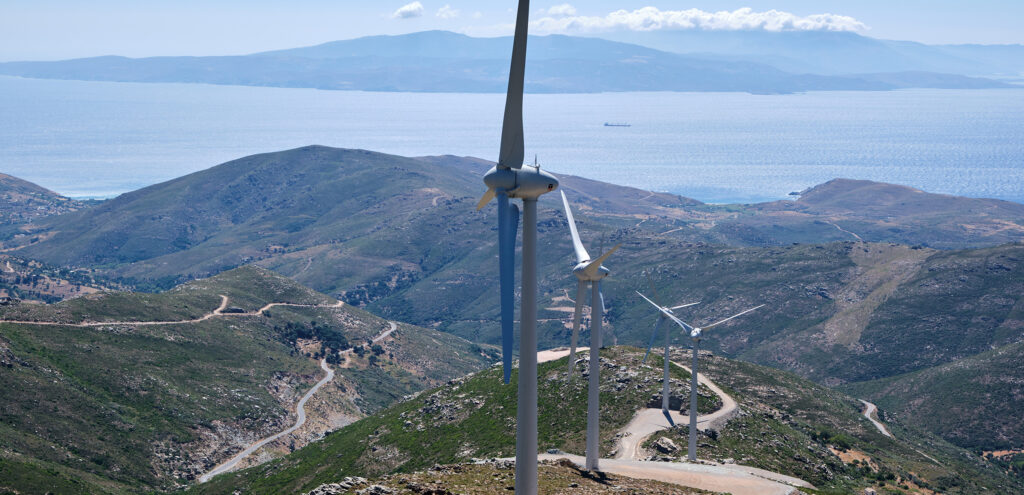
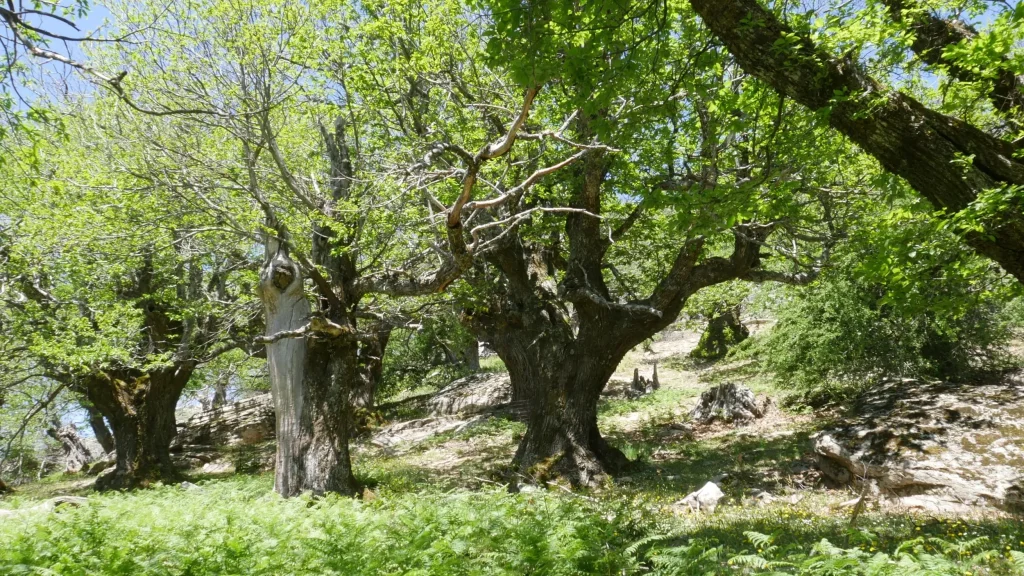
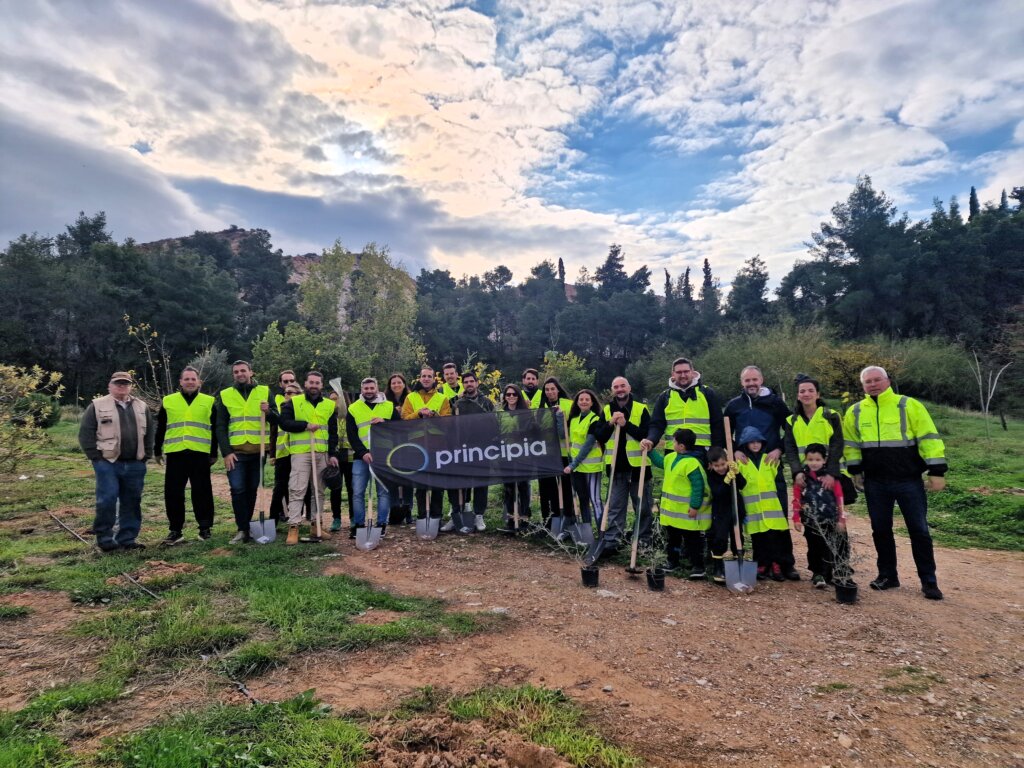
Environmental protection is not limited to the production of green energy, but translates into respect for ecosystems, prevention, responsible operation and practical support of the areas where we operate. A crucial example is the reforestation project in Kastanologgos, in South Evia, in the area of the Kafireas Wind Cluster. Through a five-year program, we have completed the reforestation of 660 acres, giving new life to a historic chestnut forest of great ecological and cultural value.
In the same direction, we implement and support actions to protect biodiversity and strengthen local production. In the area of Kafireas, we have supported initiatives related to bees, local beekeeping and the registration of "Kissouri" honey from Karystos as a Protected Designation of Origin (PDO).
Continuous monitoring of environmental performance
We systematically invest in practices that reduce our environmental footprint. As demonstrated through the company's annual Sustainability Statement, we constantly monitor greenhouse gas emissions, record our carbon footprint and enhance energy efficiency in our projects.
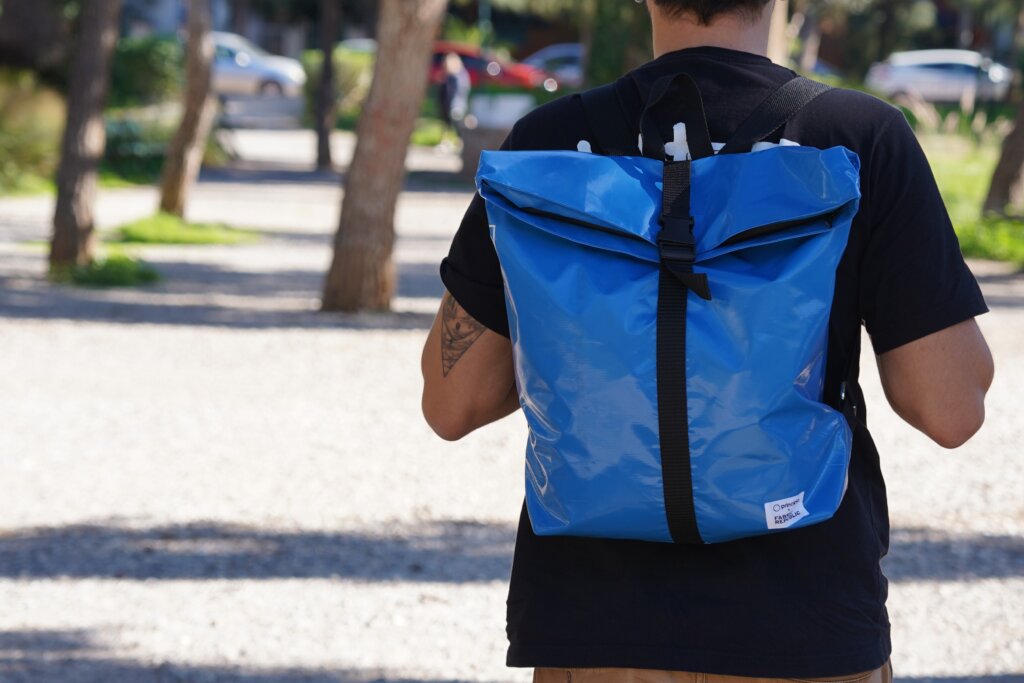
At the same time, we promote responsible resource management and integrate circular economy actions into our daily operations, such as the reuse and utilization of materials. Recently, we implemented a major circular economy project, transforming the old battery covers from the construction of the "Themelio" Battery Energy Storage System into waterproof utility backpacks, which we offered to our colleagues.
Continuing the initiatives that have been implemented in the past, such as the creation of a model wooden playground from pallets and rotors used in the construction of the "Perasma" Solar Cluster, in Kozani, but also the conversion of our old materials into useful objects as part of our corporate rebranding, we highlight the importance of balancing energy, nature and local communities, recognizing that they are all part of the same ecosystem.
Daily Giving Actions
Environmental awareness is also part of our corporate culture. Through our corporate volunteering program, as well as through actions in collaboration with organizations and communities, we encourage our people to actively participate in initiatives with a positive social and environmental footprint.
World Environment Day is not just a day of information, but an opportunity to take stock of the impact of our choices and reaffirm our commitment to sustained action. We continue to work towards a more sustainable future by investing in clean energy, supporting local communities and protecting the nature that is our home.


19 May 2026
Renewable Energy Sources and Agricultural Production: A Coexistence with Multiple Benefits
Agriculture and RES can work in harmony, creating value for production, the environment and local communities
The relationship between agriculture and renewable energy is emerging as one of the most interesting areas of the energy transition. Agricultural production and green energy projects have often been treated as two different land uses. However, according to a joint report published in 2021 by the International Renewable Energy Agency (IRENA) and the Food and Agriculture Organization (FAO) of the United Nations, renewable energy sources can play a decisive role in transforming agri-food chains, while enhancing their sustainability and productivity.
In particular, their use in applications such as solar irrigation can significantly improve farmers’ access to water, allow for more crop cycles and increase resilience to changing climate conditions. At the same time, dependence on fossil fuels and energy costs are reduced, contributing to higher incomes for farmers.
When clean energy supports agricultural production
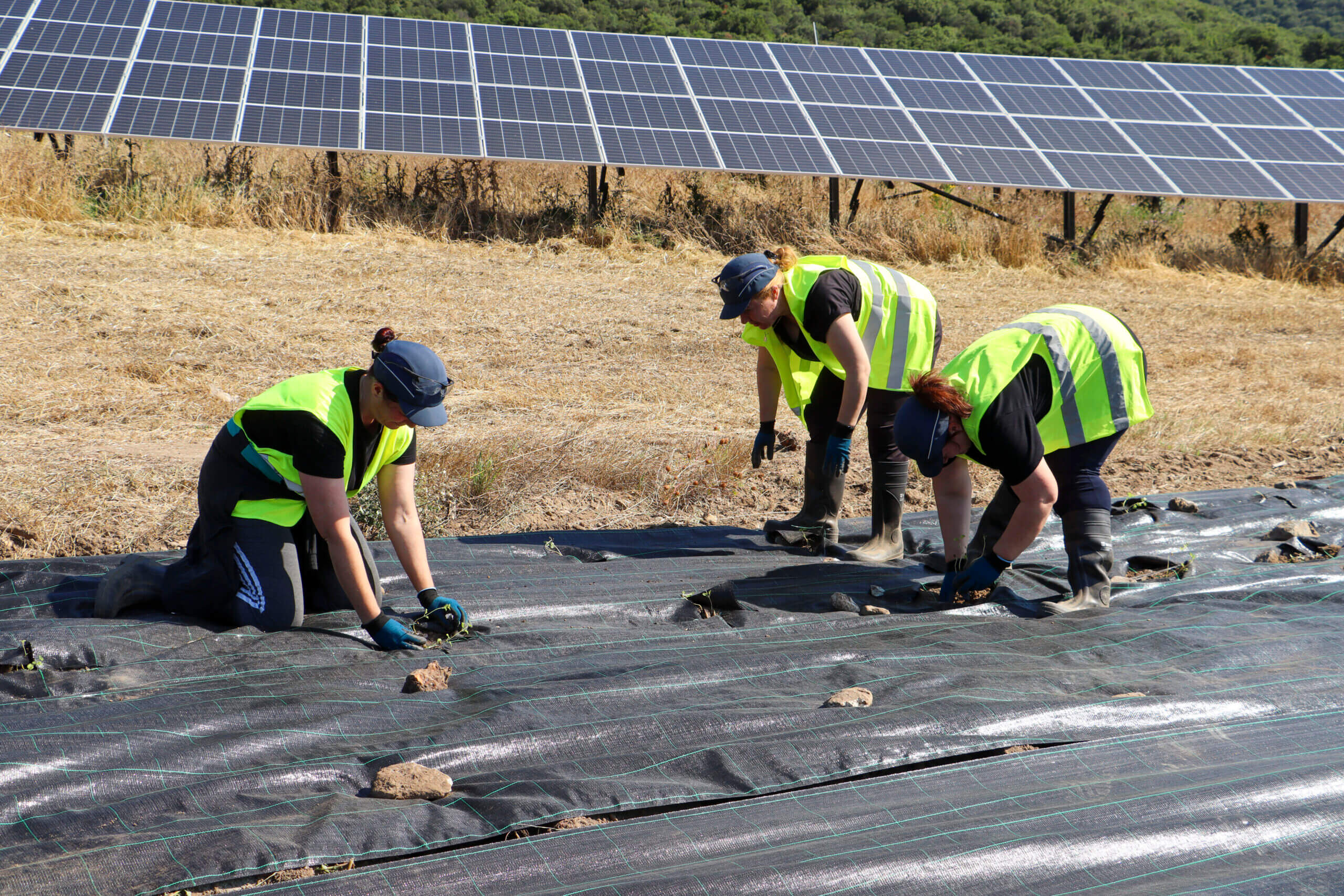
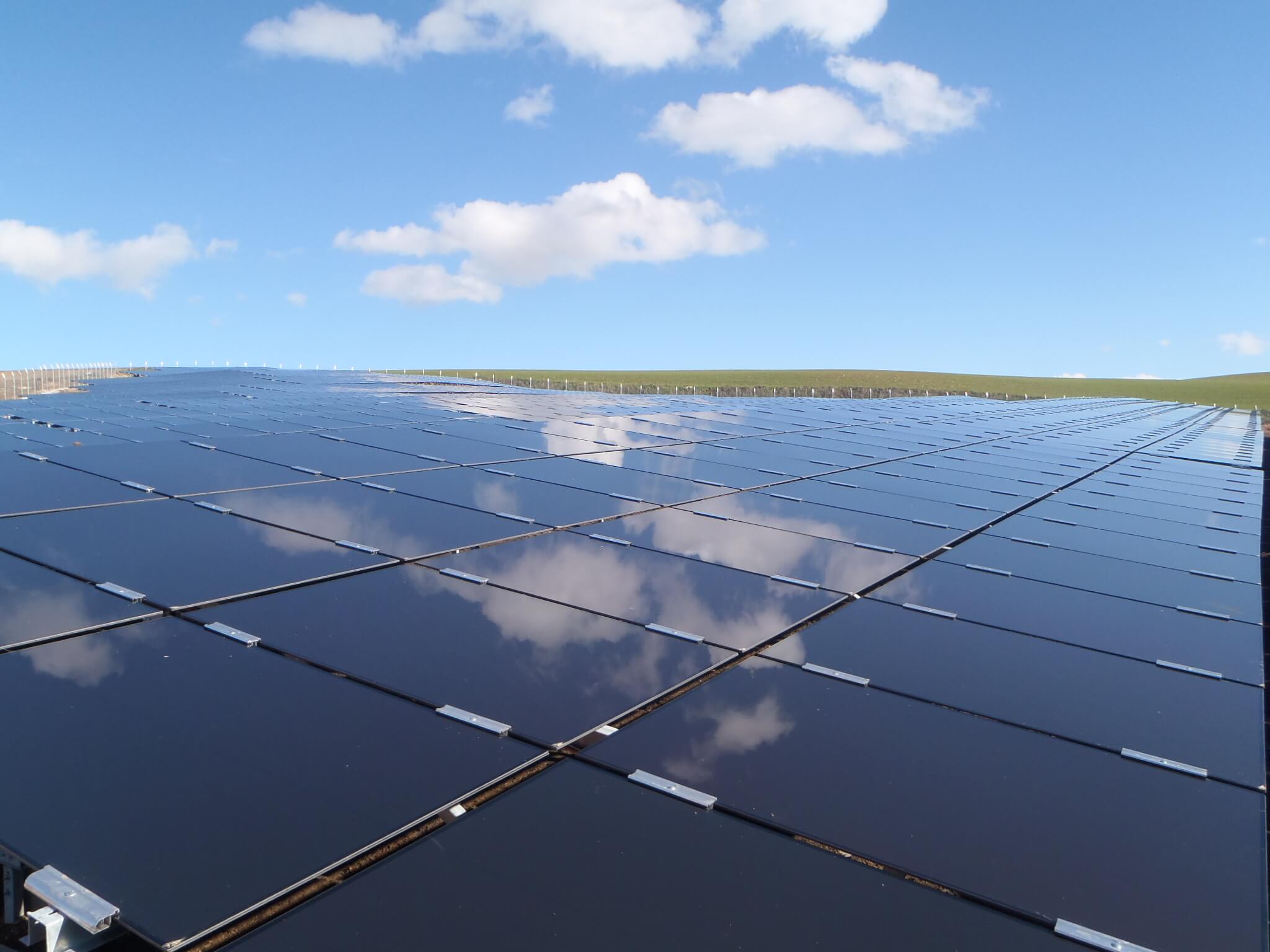
Renewables can provide substantial benefits to the agricultural sector. Clean energy production can meet energy needs associated with irrigation, cooling, storage and processing of agricultural products, reducing energy costs and dependence on conventional sources. At the same time, in agrivoltaic systems, panels can be installed in a way that allows the cultivation to continue under or between the panels. Such an initiative was implemented in Vamvakies A Social Green Project, in which a group of women cultivated aromatic plants such as lemon thyme and paliouri, creating, for the first time in Europe, a range of products from the land of a solar park.
In some cases, the shading created can limit water evaporation and protect crops from extreme temperatures, helping to improve the microclimate. This coexistence is particularly important at a time when climate change is increasingly affecting agricultural production, increasing the pressures of drought, heatwaves and unpredictable weather events.
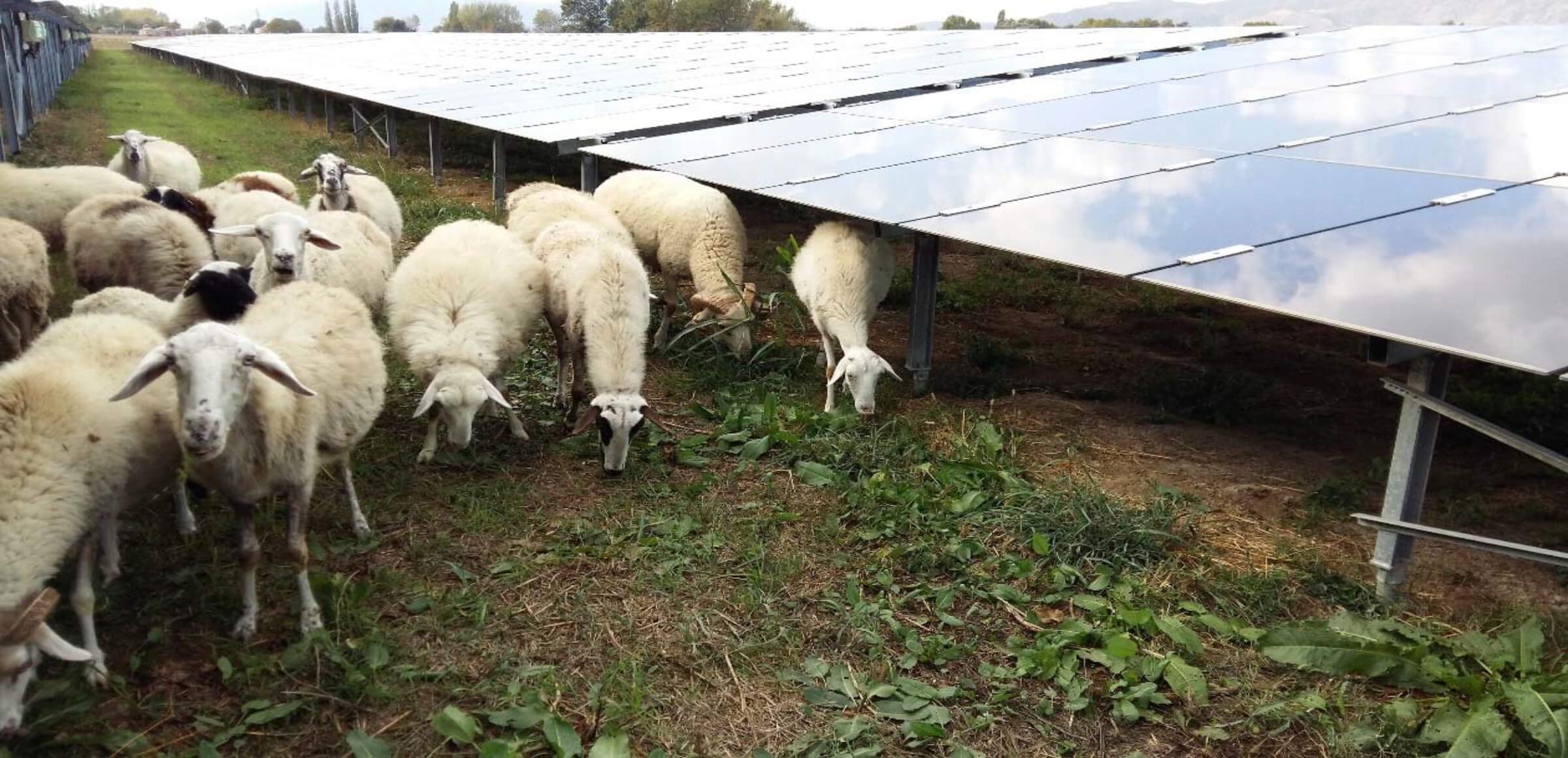
At the same time, RES projects can function as areas for enhancing biodiversity. Preserving natural habitats around projects creates the conditions for sheep grazing within the plants and natural management of vegetation. At our Pezouliotika Solar Park, we allow the entrance of animals that feed on grass and other plants, whose uncontrolled growth could prevent the sun's rays from reaching the panels. By keeping the vegetation under control, we save the fuel that would be necessary for lawn mowers and avoid the use of chemical herbicides, which can contaminate soil and water resources.
Supporting beekeeping at Kafireas
The coexistence of RES and local production is not limited to photovoltaics, but also concerns broader initiatives that connect clean energy projects with the local economy, nature and cultural identity of a region. One such example is the Kafireas Wind Cluster, in the area of Karystos, where the Greek flower honey "Kissouri" is a special local product, closely linked to the vegetation, microclimate and beekeeping tradition of South Evia. Through the support of beekeeping in Kafireas, we contributed to the protection and strengthening of the local bee population, recognizing their importance for biodiversity and agricultural production in the area. At the same time, with our decisive contribution and after 5 years of procedures, the European Commission registered "Kissouri Honey" as a Protected Designation of Origin (PDO). The aim of this initiative was to protect the natural heritage and support activities that have real value for the place.
Through respect for the land, proper planning and open dialogue with communities, the energy transition can create not only clean energy, but also new opportunities for the countryside, local production and biodiversity.